My first encounter with trauma bonding outside of my family did not occur in a romantic relationship or a cult. It happened inside an MLM. During my time with ItWorks, I was encouraged — explicitly and repeatedly — to use my trauma as a sales strategy. Leaders instructed me to post about my CPTSD, my panic attacks, my childhood wounds, and my most vulnerable moments on Facebook. The justification was simple: “People buy from people they relate to.” Vulnerability was not a human experience; it was a conversation tactic.
At one point, a leader told me to stop taking my prescribed medication for CPTSD and replace it with Confianza, an ItWorks supplement marketed as a “natural stress reliever.” It was framed as empowerment. It was, in reality, dangerous medical advice. That moment — the collision between my mental health and their commercial agenda — was the beginning of my departure. But it was also the beginning of my understanding.
What happened next was predictable. I bonded deeply with the people on my team. We trauma-dumped together. We cried together. We shared our darkest moments together. We believed we were healing together. In reality, we were being conditioned together. Our shared suffering became the glue that held the system in place.
I want to examine trauma bonding, not as a personal failing, but as a systemic mechanism used across MLMs, cults, scams, domestic violence, and high-control groups. Drawing from psychology, sociology, philosophy, history, and ethics, I want to explore how trauma becomes a tool of coercion. I also want to explore how individuals like me become both victims and participants in systems designed to exploit vulnerability.
Definition
Trauma Bonding (noun): A psychological and emotional attachment that forms between an individual and a person or system that harms them, created through repeated cycles of fear, mistreatment, and intermittent reward. Trauma Bonding develops when the victim becomes dependent on the same source that creates the harm, leading to loyalty, confusion, and difficulty leaving the relationship or group. It is commonly observed in abusive relationships, cults, scams, MLMs, and other high‑control environments where manipulation, isolation, and inconsistent affection reinforce the bond.
Psychological Foundations: The Architecture of Trauma Bonding
Trauma bonding is most commonly associated with psychologist Patrick Carnes, who defined it as “strong emotional attachments formed between an abused person and their abuser through intermittent reinforcement.” In psychological literature, trauma bonding is characterized by cycles of harm and reward, emotional dependency, distorted attachment, and loyalty to a harmful system or person.
Carnes’ work aligns with Jennifer Freyd’s Betrayal Trauma Theory, which argues that trauma bonds form most intensely when the victim depends on the perpetrator for survival, identity, or belonging. Freyd notes that “the need to maintain the relationship can override the need to accurately process the betrayal,” creating a psychological environment where denial becomes adaptive and attachment becomes compulsory.
MLMs frequently replicate the intermittent reinforcement cycle. Members may be praised intensely for hitting a rank one month, only to be shamed the next month for failing to maintain it. Leaders frame the failure as a personal flaw (lack of belief, lack of hustle, lack of mindset) rather than acknowledging structural impossibility. This cycle mirrors the psychological dynamics seen in abusive relationships and cultic environments.
Romance scams demonstrate the same pattern. Scammers alternate between affection and withdrawal, creating emotional dependency. When the scammer disappears, the victim experiences panic; when they return with apologies or affection, the relief reinforces the bond. This cycle is nearly identical to the trauma bonding described by Carnes and Freyd.
Attachment Theory and the Neurobiology of Coercion
Attachment theory provides a deeper understanding of trauma bonding. When individuals experience inconsistent care — affection followed by withdrawal, praise followed by punishment — the attachment system becomes hyperactivated. The victim becomes preoccupied with restoring harmony, even at personal cost.
Neuroscience Research supports this. Intermittent reinforcement triggers dopamine pathways associated with reward anticipation. The unpredictability of the abuser’s behaviour creates a stronger neurological bond than consistent kindness ever could. The victim becomes neurologically tethered to the cycle.
MLM leaders alternate between love-bombing (“You’re amazing, you’re a leader, you’re destined for greatness”) and criticism (“You’re not committed enough,” “You’re letting the team down”). This unpredictability creates a neurological dependency similar to gambling addiction.
Cults use identical mechanisms. In NXIVM, members were praised for “breakthroughs” one day and berated for “limiting beliefs” the next. This emotional whiplash created dependency on the leader’s approval.
Sociological Dimensions: Group Identity, Ritual, and Emotional Synchronization
From a sociological perspective, trauma bonding is not merely an interpersonal phenomenon — it is a group-level bonding mechanism. Sociologists studying cults, including Margaret Singer, Janja Lalich, and Steven Hassan, not that high-control groups use trauma bonding to create collective identity, shared suffering, mutual dependency, and emotional fusion.
Groups achieve this through ritualized vulnerability, emotional synchronization, social isolation, shared adversity narratives, and leader-centered attachment.
NXIVM’s “EM tech” sessions encouraged members to relive traumatic memories in front of the group, creating emotional vulnerability that leaders framed as spiritual breakthrough. Survivors report that these sessions created intense emotional fusion, making it difficult to question the group afterwards.
MLMs use “team calls” as ritualized trauma-sharing spaces. Members are encouraged to cry about financial struggles, relationship issues, mental health, or childhood trauma. Leaders respond with love-bombing, affirmations, and promises of future success — creating a sense of belonging that feels therapeutic but is actually manipulative. This replaces family, friends, and professional care.
Crypto pump-and-dumb communities often bond through shared financial desperation. Scammers frame losses as “tests” or “growth,” creating an us-versus-them worldview that strengthens internal loyalty.
Philosophical Perspectives: Suffering, Meaning, and Manipulation
Philosophers have long examined how suffering shapes identity and meaning. In high-control systems, suffering is weaponized. Existentialist thinkers argue that humans seek meaning in suffering; MLMs and Cults exploit this by reframing trauma as destiny, purpose, empowerment, spiritual awakening, or entrepreneurial fuel. Trauma becomes part of the brand.
Phenomenology helps explain how coercive groups reinterpret members’ trauma through Group Ideology. The individual’s suffering is no longer their own — it is reframed as evidence of the group’s truth or the leader’s wisdom.
Ethical philosophy provides the clearest condemnation. Exploiting vulnerability violates autonomy, dignity, and moral agency.
Historical Context: Trauma Bonding Across Movements and Eras
Trauma Bonding is not a modern phenomenon. Historical accounts of cults, extremist movements, and authoritarian regimes reveal similar patterns.
Synanon used “The Game,” a ritualized attack therapy session where members were verbally assaulted, then praised afterward, creating cycles of harm and reward.
The People’s Temple used staged crises, forced confessions, and communal punishments to create shared trauma. The Jonestown mass suicide resulted in 918 deaths.
Heaven’s Gate members committed mass suicide in 1997 believing they would board a spaceship. There were 39 deaths in total.
Branch Davidians in Waco experienced cycles of fear, isolation, and leader-centered attachment that culminated in 76 deaths, including 25 children.
These events demonstrate how trauma bonding can escalate into catastrophic outcomes.
Trauma Bonding in MLMs: Commerce Disguised as Community
MLMs use trauma bonding as a recruitment and retention strategy. Members are encouraged to share their trauma publicly to “connect with customers,” creating emotional dependency between seller and buyer.
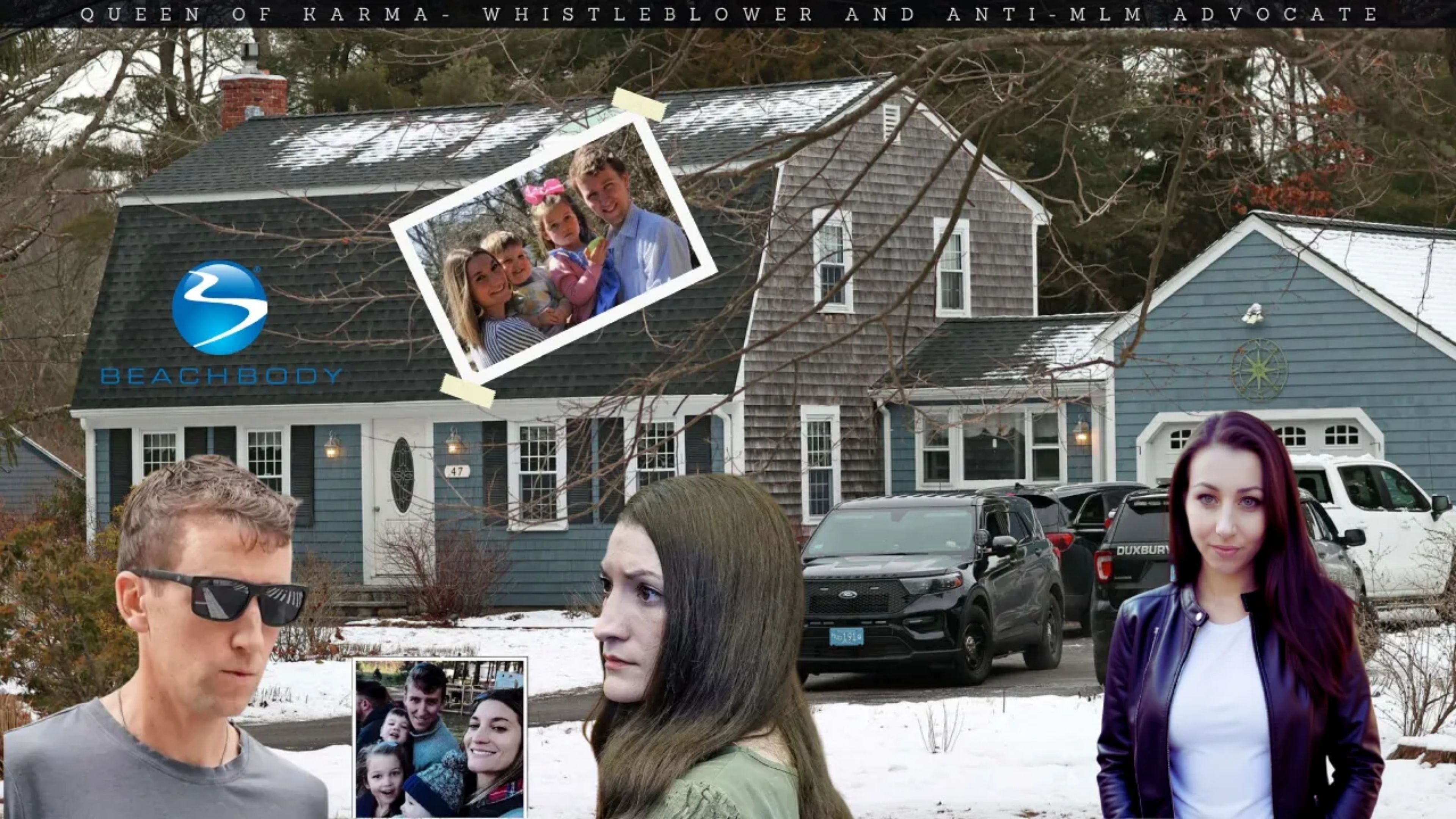
Beachbody coaches have reported being encouraged to share postpartum depression, eating disorders, or body-image trauma as marketing content.
Monat members were encouraged to post photos of hair loss, medical conditions, or emotional breakdowns to sell products.
LuLaRoe consultants bonded through shared financial suffering. When members went into debt buying inventory, leaders reframed the hardship as a test of faith or entrepreneurial grit.
Academic research confirms that MLMs use cult-like strategies such as alienation, us-versus-them mentality, and emotional connectedness between members and leadership.
Trauma Bonding in Cults and Scams: The Universal Mechanism
Cults rely on confession rituals, emotional purging, dependency on the leader, cycles of punishment and reward, an isolation from outside support.
Scientology uses “auditing” sessions where members disclose trauma, secrets, and vulnerabilities. These disclosures create emotional dependency on the organization.
NXIVM’s DOS required members to give “collateral” — nude photos, confessions, or damaging secrets — creating trauma bonds rooted in fear, shame, and dependency.
Scams rely on similar mechanisms. Investment scams often give small early payouts to build trust. When losses occur, scammers frame them as temporary setbacks, encouraging victims to invest more.
Trauma Bonding in Domestic Violence: The Original Blueprint
Domestic violence provides the clearest example of trauma bonding. The cycle — tension building, incident, reconciliation, calm — creates dependency, confusion, attachment, hope, and fear.
Survivors often describe abusers who apologize after violence, buy gifts, cry, or promise change. These moments of tenderness create emotional confusion, making it difficult to leave.
MLMs replicate this cycle: leaders berate members for low sales, then send voice notes expressing love and pride.
Cults replicate it: leaders humiliate members publicly, then offer private affection or praise.
Scams replicate it: perpetrators threaten abandonment, then return with apologies and affection.
Case Studies and Statistics
Cult Statistics:
- Cult Involvement has been linked to over 5,000 deaths in mass suicides since 1978.
- 2.5 million Americans have been involved in cults at some point.
- 75% of cult members report brainwashing effects lasting 5+ years after leaving.
- Cult involvement increases depression risk by 300%.
NXIVM Case Study:
- 80 victims filed a lawsuit against NXIVM leadership for fraud, identity theft, racketeering, forced labor, and sex trafficking.
- 41 Canadian victims were included.
- NXIVM functioned as both a Ponzi scheme and a coercive community, causing emotional and financial devastation.
Cult-Criminal Hybrid Groups:
Case studies from Aum Shinrikyo, Heaven’s Gate, polygamist sects, ritual-based gangs, and narco-cult networks show how spirituality is manipulated to create control systems that outlast physical violence.
The Trauma Bond Cycle: How Harm Becomes Attachment
Trauma bonding does not occur randomly; it emerges through a predictable, repeating cycle of emotional manipulation. This cycle, first identified in domestic violence research, appears across high‑control systems including MLMs, cults, scams, extremist movements, and coercive interpersonal relationships.
- The Tension‑Building Phase
The cycle begins with rising tension. In interpersonal abuse, this may involve irritability, criticism, or emotional withdrawal. In high‑control groups, tension often appears as pressure to perform, fear of disappointing the leader, anxiety about meeting quotas, or dread of upcoming meetings or rituals. Members sense that something is “off,” but they often blame themselves rather than the system. This self‑blame is encouraged by leaders who frame tension as the member’s personal failing, lack of belief, or insufficient commitment.
- The Incident or Harm Phase
The tension eventually erupts into an incident of harm. In domestic violence, this may be verbal, emotional, or physical abuse. In MLMs, it may be public shaming on a team call, a leader berating someone for low sales, or a sudden withdrawal of support. In cults, it may involve humiliation rituals, punishment, or ideological correction. In scams, it may be emotional manipulation, threats of abandonment, or financial pressure. Regardless of the form, the harm destabilizes the victim’s sense of safety and self‑worth.
- The Reconciliation or “Honeymoon” Phase
After the harm, the perpetrator or system shifts abruptly into reconciliation. This phase is the emotional hook that makes trauma bonding possible. Leaders may apologize, offer praise, express affection, or frame the harm as necessary for growth. They may say they believe in the member, that they see potential, or that the criticism was meant to “push them to greatness.” In cults, leaders may offer spiritual validation or special attention. In scams, perpetrators may return with affection, apologies, or promises. The sudden warmth creates relief so intense that it overrides the memory of harm.
- The Calm Phase
Following reconciliation, the system enters a period of calm. Everything feels stable, peaceful, and safe. Members often believe the worst is behind them. They may feel hopeful, connected, or even grateful. This calm is not genuine safety; it is the quiet between storms. But because the calm feels so good compared to the harm, members cling to it. They begin to believe that if they behave correctly, stay loyal, or work harder, the calm will last. This belief is the emotional glue that keeps them in the system.
- The Cycle Repeats — and Escalates
Over time, the cycle repeats. Each repetition strengthens the trauma bond. The highs feel higher because the lows feel lower. The victim becomes increasingly focused on regaining the reconciliation phase, even as the harm escalates. In MLMs, this may mean working harder, spending more money, or sacrificing relationships. In cults, it may mean deeper ideological commitment or increased obedience. In scams, it may mean sending more money or tolerating more manipulation. The cycle becomes self‑reinforcing: the more harm the victim endures, the more they cling to the moments of relief.
- Why the Cycle Creates Attachment
The trauma bond cycle creates attachment through neurological conditioning. The unpredictability of harm and reward activates dopamine pathways associated with anticipation and craving. The victim becomes neurologically tethered to the cycle, seeking relief from the same source that creates fear. This paradox is the foundation of trauma bonding. It is not weakness; it is conditioning.
- How High‑Control Systems Weaponize the Cycle
High‑control systems use the trauma bond cycle deliberately. Leaders create tension through pressure, fear, or scarcity. They inflict harm through criticism, punishment, or withdrawal. They offer reconciliation through praise, affection, or promises. They maintain calm long enough to reset the cycle. This structure ensures loyalty, compliance, and emotional dependency. It is the architecture of coercion.
Although the specific behaviors differ from group to group, the underlying structure remains remarkably consistent. Understanding this cycle is essential for recognizing trauma bonding and for breaking it.
How To Spot Trauma Bonding in High-Control Systems
Trauma bonding is often invisible to the person experiencing it. Because it forms through cycles of fear, relief, affection, and dependency, it can feel like loyalty, purpose, or even love.
- Cycles of Harm and Reward
Trauma bonding thrives on inconsistency. You may notice intense praise followed by sudden criticism, inclusion followed by exclusion, promises followed by disappointment or affection followed by withdrawal. The emotional whiplash creates dependency. The victim becomes focused on “getting back” to the good moments, even when the system consistently produces harm.
- Feeling Responsible for the Leader’s Approval
In high-control systems, approval is conditional. Members often feel anxious about disappointing the leader, responsible for maintaining group harmony, and terrified of being “cut off,” “blocked,” or “demoted.” This mirrors attachment patterns seen in abusive relationships.
- Isolation From Outside Perspectives
Trauma bonding strengthens when outside voices are removed. Common signs include being told outsiders “dont understand,” being encouraged to cut off critics, feeling guilty for talking to friends or family, and believing the group is your “real family.” Isolation makes the group’s worldview feel like the only truth.
- Rationalizing or Minimizing Harm
Victims often reinterpret harm as “tough love,” “growth,” “accountability,” “a test,” or “part of the journey.” This reframing protects the bond rather than the self.
- Loyalty That Feels Irrational, Compulsive, or Shame-Based
People experiencing trauma bonding often say “I know it’s wrong but I can’t leave,” “I feel addicted to them,” “I don’t want to disappoint them,” or “I owe them everything.” The loyalty is emotional, not logical.
- Identity Fusion
The group becomes intertwined with the person’s identity. Signs include adopting the groups language, ideology, or slogans, feeling worthless outside the group, believing the leader is uniquely wise or chosen, and seeing dissent as betrayal. Identity fusion is one of the strongest indicators of trauma bonding.
- Fear of Losing the Relationship, Even When It Hurts
The fear of leaving outweighs the pain of staying. This is the hallmark of trauma bonding.
Spotting trauma bonding requires examining patters rather than isolated events. Across MLMs, cults, scams, extremist groups, and abusive relationships, the signs are remarkably consistent.
How To Heal From Trauma Bonding
Healing from trauma bonding is a gradual, layered process that involves rebuilding safety, identity, autonomy, and emotional regulation. Because trauma bonding is neurological as much as psychological, recovery requires approaches that address both the mind and the body. The following practices, grounded in trauma research and survivor testimony, offer a structured pathway toward healing.
- Rebuilding Safety
The first and most essential step in healing is establishing safety. Trauma bonding cannot be dismantled while the person remains in an environment that continues to activate fear, dependency, or intermittent reinforcement. For some, safety means physically leaving a high‑control group; for others, it means reducing contact, blocking communication channels, or creating emotional boundaries. Safety also includes stabilizing finances, reconnecting with supportive people, and removing sources of manipulation. Without this foundation, deeper healing cannot take root.
- Naming the Cycle
One of the most powerful tools for breaking trauma bonding is simply naming what happened. Survivors often describe a moment of clarity when they recognize the cycle of harm and reward for what it is. Writing out the pattern—what the “highs” looked like, what the “lows” felt like, how they responded, and what they hoped for—helps transform confusion into comprehension. Seeing the cycle on paper disrupts the illusion that the relationship or group was unpredictable. It reveals the structure beneath the chaos.
- Reconnecting With Outside Perspectives
High‑control systems thrive by isolating members from outside viewpoints. Healing requires reversing that isolation. Reconnecting with trusted friends, family, survivor communities, or even neutral observers helps recalibrate reality. Hearing others say, “That wasn’t normal,” or “I see why you felt trapped,” provides validation that breaks the spell of group‑imposed narratives. Exposure to diverse perspectives also helps survivors rebuild critical thinking skills that may have been suppressed.
- Rebuilding Identity
Trauma bonding often involves identity erosion. High‑control systems replace personal values, preferences, and goals with those of the group or leader. Healing requires rediscovering the self that existed before the system—and constructing the self that will exist after it. Journaling can be particularly effective here: writing about past interests, forgotten dreams, or suppressed values helps survivors reconnect with their authentic identity. This process is not about returning to who they were, but about reclaiming the right to define themselves.
- Regulating the Nervous System
Because trauma bonding is reinforced through neurological pathways—especially dopamine and stress responses—healing must include nervous system regulation. Practices such as grounding exercises, paced breathing, somatic movement, mindfulness, and progressive muscle relaxation help calm the attachment system. When the body is regulated, the emotional “pull” toward the harmful system weakens. Survivors often report that once their nervous system stabilizes, they can think more clearly and make decisions that previously felt impossible.
- Challenging Distorted Beliefs
High‑control systems implant cognitive distortions that keep members loyal. These distortions may include beliefs such as “I’m nothing without them,” “They’re the only ones who understand me,” or “Leaving means I’m a failure.” Healing requires examining where these beliefs came from, identifying the manipulation behind them, and replacing them with healthier alternatives. This cognitive reframing process helps survivors reclaim their agency and challenge the narratives that once kept them trapped.
- Allowing Grief
Leaving a high‑control system is not simply an escape—it is a loss. Survivors grieve the community they thought they had, the identity they built within the system, the imagined future they were promised, and the version of themselves they hoped to become. Grief is not a sign of weakness; it is evidence of humanity. Allowing grief to surface—through journaling, conversation, or quiet reflection—helps survivors process the emotional residue of the trauma bond and move toward acceptance.
- Seeking Professional Support
Therapy can be a transformative part of healing from trauma bonding. A trained mental health professional provides a safe, non‑judgmental space to explore the dynamics of coercion, rebuild identity, and develop emotional regulation skills. Modalities such as trauma‑focused therapy, EMDR, somatic therapy, cognitive‑behavioral therapy, and internal family systems (IFS) are often effective for survivors of high‑control systems. Therapy does not replace personal autonomy; it supports it. It offers tools, language, and structure that help survivors understand what happened and reclaim their sense of self.
- Rebuilding Autonomy Through Small Choices
Trauma bonding erodes decision‑making by conditioning members to defer to the leader or group. Healing requires rebuilding autonomy through small, manageable choices. Deciding what to eat, what to wear, how to spend a free hour, or what content to consume may seem trivial, but these small acts of self‑direction strengthen the internal sense of agency. Over time, these choices accumulate, helping survivors trust their own judgment again.
- Creating a Future Beyond the System
Trauma bonding keeps people emotionally anchored to the past. Healing requires imagining a future that does not include the group or leader. Visualizing a future self—one who is autonomous, grounded, and free—helps shift the brain from survival mode to growth mode. Writing about this future in detail can be especially powerful. It allows survivors to articulate who they want to become, what relationships they want to cultivate, and what values will guide them moving forward. This future‑oriented perspective helps break the emotional tether to the system and opens space for new possibilities.
Reclaiming Narrative, Autonomy, and Meaning
Trauma bonding is not a personal failure. It is not a sign of weakness, naivety, or lack of intelligence. It is a predictable human response to systems designed to exploit vulnerability. MLMs, cults, scams, extremist movements, and abusive relationships all rely on the same architecture: intermittent reinforcement, emotional manipulation, isolation, identity erosion, and the reframing of suffering as purpose.
My experience with ItWorks was not an anomaly. It was a case study in how commercial cults weaponize trauma. I was encouraged to use my pain as marketing, to replace medical treatment with supplements, and to bond with others through shared suffering. I believed I was healing. In reality, I was being conditioned.
Understanding trauma bonding is not merely an academic exercise — it is a reclamation of autonomy. Naming the cycle, recognizing the signs, and understanding how these systems operate allows survivors to see the architecture clearly for the first time. When we learn how trauma bonding forms, how it hides, and how it sustains itself, we begin to dismantle the confusion that once kept us loyal.
But insight alone is not enough. Healing requires rebuilding safety, reconnecting with outside perspectives, reconstructing identity, regulating the nervous system, challenging distorted beliefs, and allowing grief to surface. It requires small acts of autonomy that slowly re‑strengthen the muscles of self‑trust. And for many, it requires the support of a trained therapist who can help untangle the emotional, cognitive, and somatic threads of coercion.
Trauma bonding thrives in silence, confusion, and isolation. It weakens when exposed to clarity, language, and community. By speaking openly about trauma bonding — by naming what happened, by mapping the cycle, by reclaiming our narratives — we disrupt the systems that rely on it. We create space for survivors to understand their experiences without shame. We challenge the ideologies that frame exploitation as empowerment. And we remind ourselves, and each other, that vulnerability is not a commodity, suffering is not a sales tool, and healing is not something that can be purchased from a leader, a team, or a company.
Trauma bonding is powerful. But so is naming it. So is healing from it. And healing is the first step toward breaking it — permanently.
Beth Gibbons, known publicly as Queen of Karma, is a whistleblower and anti-MLM advocate who shares her personal experiences of being manipulated and financially harmed by multi-level marketing schemes. She writes and speaks candidly about the emotional and psychological toll these so-called “business opportunities” take on vulnerable individuals, especially women. Beth positions herself as a survivor-turned-activist, exposing MLMs as commercial cults and highlighting the cult-like tactics used to recruit, control, and silence members.
She has contributed blogs and participated in video interviews under the name Queen of Karma, often blending personal storytelling with direct confrontation of scammy business models. Her work aligns closely with scam awareness efforts, and she’s part of a growing community of voices pushing back against MLM exploitation, gaslighting, and financial abuse.





Leave A Comment