


There is a moment that repeats itself across abusive systems — in cults, domestic violence, MLMs, scam communities, and even YouTube chats. You show up. they act warm. Their people attack you. And when you defend yourself, you’re framed as the one “keeping drama alive.”
This pattern is not random. It is not interpersonal conflict. It is not “internet drama.” It is a documented manipulation tactic called DARVO which stands for Deny, Attack, Reverse Victim and Offender. This tactic was first identified by psychologist Jennifer Freyd, whose research into betrayal trauma and institutional abuse has shaped modern understanding of how abusers protect themselves and silence victims.
DARVO is not just a tactic. It is a performance, a social ritual that relies on group dynamics, loyalty structures, and the psychology of coercive control.
I wanted to take a moment to break down DARVO as a case study, connecting it to cultic behaviour, MLM indoctrination, scammer psychology, group sociology, betrayal trauma, and institutional abuse patterns. I want to explain why, when you confront someone who has harmed you, the crowd often turns on you — not because you are wrong, but because DARVO is designed to make you look like the aggressor.
The Psychology of Reversal
DARVO is a three-step defensive maneuver used by individuals and institutions when confronted with wrongdoing:
- Deny
The abuser denies the behaviour, minimizes it, reframes it, or pretends confusion. This is not a misunderstanding, it is a deliberate erasure of reality. - Attack
They shift focus from the behaviour to the person naming it. They attack your credibility, your motives, your mental health, your tone, your history. - Reverse Victim and Offender
They position themselves as the victim of your confrontation. You become the aggressor. They become the wounded party.
Freyd’s research shows that DARVO is not just interpersonal, it is institutional. Entire organizations use DARVO to silence whistleblowers and protect leadership.
DARVO is powerful because it flips the narrative so quickly that observers often fail to notice the reversal. The person harmed ends up defending themselves. The person who caused harm ends up comforted.
Why Betrayal Trauma Hurts So Much
Freyd’s broader work — betrayal trauma theory — explains why DARVO is so effective. Betrayal occurs when the harm comes from someone or something you depend on such as a partner, a parent, a spiritual leader, a company, or a community. Recognizing the abuse threatens the relationship you rely on, so your mind is motivated to look away, minimize, or dissociate.
DARVO exploits this vulnerability.
When you confront someone you depended on, and they respond with denial, attack, and reversal, your brain experiences:
- cognitive dissonance
- self-doubt
- loyalty conflict
- identity destabilization
Research shows that DARVO increases self-blame in victims. People exposed to DARVO are more likely to walk away thinking “Maybe I am the problem,” “Maybe I shouldn’t have said anything,” or “Maybe I am overreacting!”
This is not accidental. DARVO is engineered to enforce silence.
The Original Template
In domestic violence, DARVO is almost a script.
You say: “You screamed at me last night.”
They say:
“That never happened.” (Deny)
“You’re always exaggerating.” (Attack)
“Do you know how much it hurts to be accused like this?” (Reverse)
Within seconds, the conversation flips. The abuser becomes the victim. The victim becomes the aggressor.
DARVO thrives in intimate relationships because the victim often wants the relationship to survive. The more you need the person, the more likely you are to swallow the reversal.
This interpersonal pattern becomes the blueprint for group-level DARVO.
The Group Ritual of Rewriting Reality
In cults and high-control groups, DARVO becomes a collective ritual.
A member raises concerns by saying:
“This leader lied.”
“This doctrine is harmful.”
“this money isn’t being used as promised.”
The group responds:
- Deny — “That’s not true. You’re confused.”
- Attack — “You’re negative. You’re divisive.”
- Reverse — “The leader is being persecuted. You’re attacking the movement.”
Cultic DARVO is amplified by sociology:
- Group Cohesion
Members are trained to see criticism as betrayal. - Us vs. Them Mentality
Any challenge is framed as an attack from “outsiders,” even when it comes from insiders. - Sacralization of the Leader
The leader is positioned as too pure, too wise, too persecuted to ever be held accountable. - Collective Identity
Members defend the group because the group defines their identity.
This is why cults respond to whistleblowers with ferocity. DARVO protects the leader and reinforces group loyalty.
How Commercial Cults Silence Critics
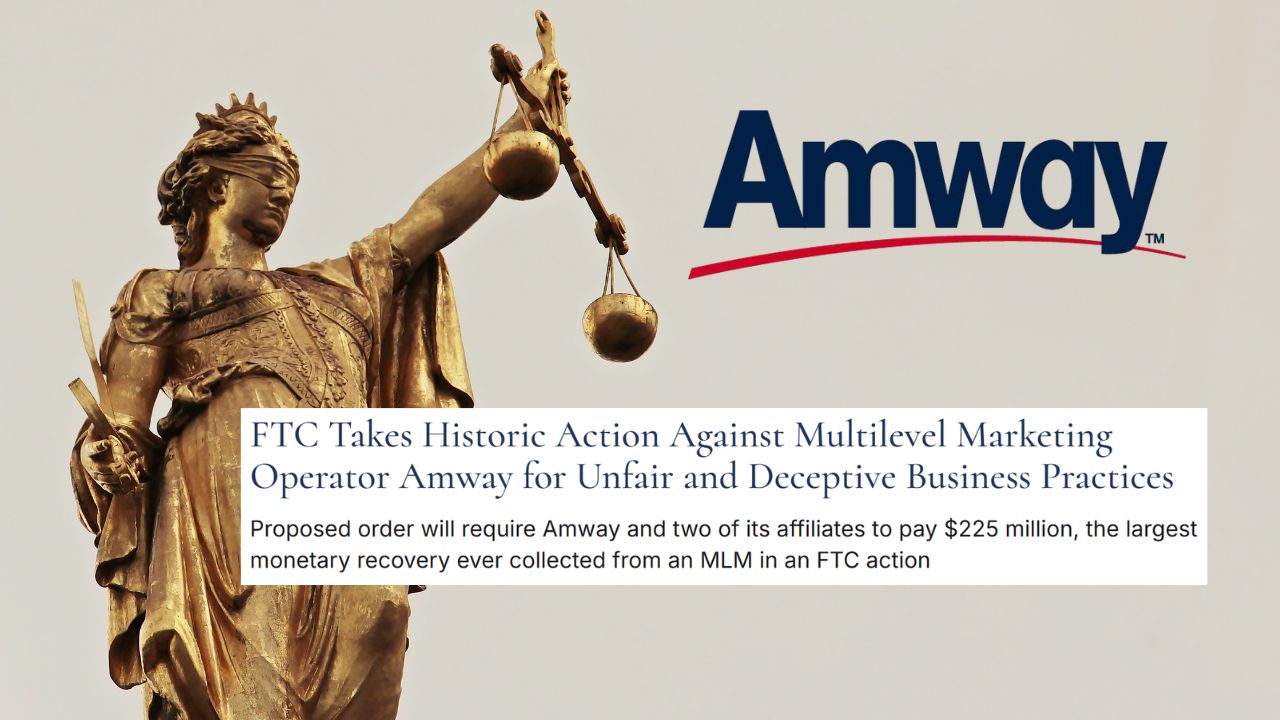
Multi-Level Marketing (MLM) companies are commercial cults and they use cultic psychology to maintain economic control.
When someone speaks out, they say:
“I lost money.”
“The income claims were misleading.”
The MLM responds:
- Deny — “You didn’t work hard enough.”
- Attack — “You’re negative and untrainable.”
- Reverse — “You’re trying to destroy people’s dreams.”
The MLMs weaponize DARVO through:
- Rank Culture
Higher-ups are treated as unquestionable authorities. - Love-Bombing
New recruits are showered with praise, making later criticism feel like betrayal. - Personal Responsibility Rhetoric
Losses are always framed as the individual’s fault. - Community Surveillance
Members monitor each other’s behaviour and enforce group norms.
This is why ex-MLM members often describe feeling like abuse survivors rather than disappointed customers.
DARVO is not a side effect. It is a structural tool.
The Public Performance of Innocence
Scammers rely on DARVO to survive confrontation.
When someone calls them out:
- Deny — “You misunderstood.”
- Attack — “You’re jealous, obsessed, mentally unstable.”
- Reverse — “I’m being persecuted. Look at what these accusations are doing to me.”
In scam ecosystems, DARVO is often performed publicly on livestreams, in chats, on social media. The scammer’s followers watch the reversal and internalize the script:
- The critic is the aggressor.
- The scammer is the victim.
- The scam is a noble cause under siege.
This is how scams maintain legitimacy long after the facts are clear. The narrative becomes stronger than with evidence.
Why the Crowd Always Turns on The Victim
DARVO doesn’t just target the person confronting, it targets everyone watching.
Observers see:
- a calm, smiling leader
- a distressed critic
- a chat piling on the critic
Without context, the critic looks like the problem.
Research shows that DARVO affects third-party perceptions, observers often sympathize with the perpetrator and doubt the victim. In group settings, this effect is multiplied:
- Norm Enforcement
The group punishes anyone who disrupts the “peace,” even if that peace is built on denial. - Social Identity Theory
Members see themselves as part of something special; criticism feels like an attack on their identity. - Reputation Management
Leaders know their brand depends on appearing calm, kind, and persecuted. - Crowd Psychology
Groups amplify emotion, especially hostility toward perceived threats.
This is why, when you show up in someone’s chat after years of harm, and their people attack you, the leader can smile and say “You’re keeping the drama alive.”
That is DARVO. That is group sociology. That is coercive control.
The Power of Language
Freyd’s research emphasizes that naming DARVO changes the game.
When you know the pattern, you stop trying to argue with each step:
- You don’t waste energy proving the harm.
- You don’t defend your character.
- You don’t accept the reversed roles.
Instead, you say:
“This is DARVO. They’re denying, attacking, and reversing victim and offender. This isn’t a real conversation.”
Naming DARVO interrupts the spiral of self-blame. It reminds you:
- You are not dramatic.
- You are not unstable.
- You are not the aggressor.
- You are not the problem.
DARVO is a tactic. The victim is the target. And targets are not responsible for the weapon used against them.
No More Rewriting History in Real Time
When someone has harmed you for years, then suddenly acts kind in public while their people attack you, and you’re framed as the one “keeping the drama alive,” that is not interpersonal conflict.
That is DARVO.
That is coercive control.
That is cultic sociology applied to digital spaces and commercial ecosystems.
Calling it out doesn’t make you dramatic. It makes you accurate, informed and it makes you dangerous to systems built on silence.
The more we name DARVO — in MLMs, in scams, in cults, in domestic violence, in online harassment — the harder it becomes for abusers, leaders, and institutions to keep rewriting history in real time.
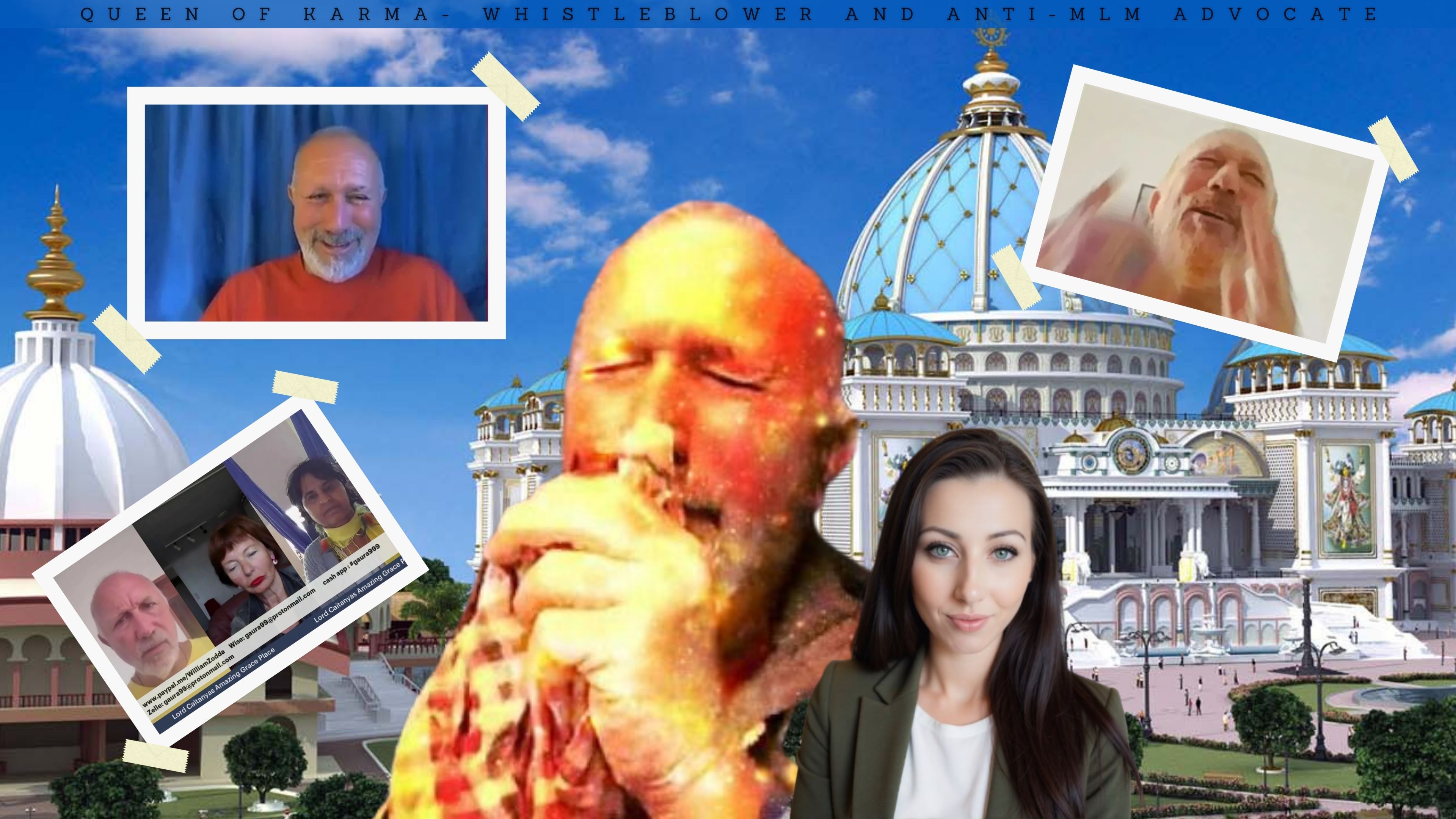
By Beth Gibbons (Queen of Karma)
Beth Gibbons, known publicly as Queen of Karma, is a whistleblower and anti-MLM advocate who shares her personal experiences of being manipulated and financially harmed by multi-level marketing schemes. She writes and speaks candidly about the emotional and psychological toll these so-called “business opportunities” take on vulnerable individuals, especially women. Beth positions herself as a survivor-turned-activist, exposing MLMs as commercial cults and highlighting the cult-like tactics used to recruit, control, and silence members.
She has contributed blogs and participated in video interviews under the name Queen of Karma, often blending personal storytelling with direct confrontation of scammy business models. Her work aligns closely with scam awareness efforts, and she’s part of a growing community of voices pushing back against MLM exploitation, gaslighting, and financial abuse.



Leave A Comment