


“You’ve got to celebrate the highs and ride the lows. That’s where my team of Avengers helps me.” — Danny de Hek
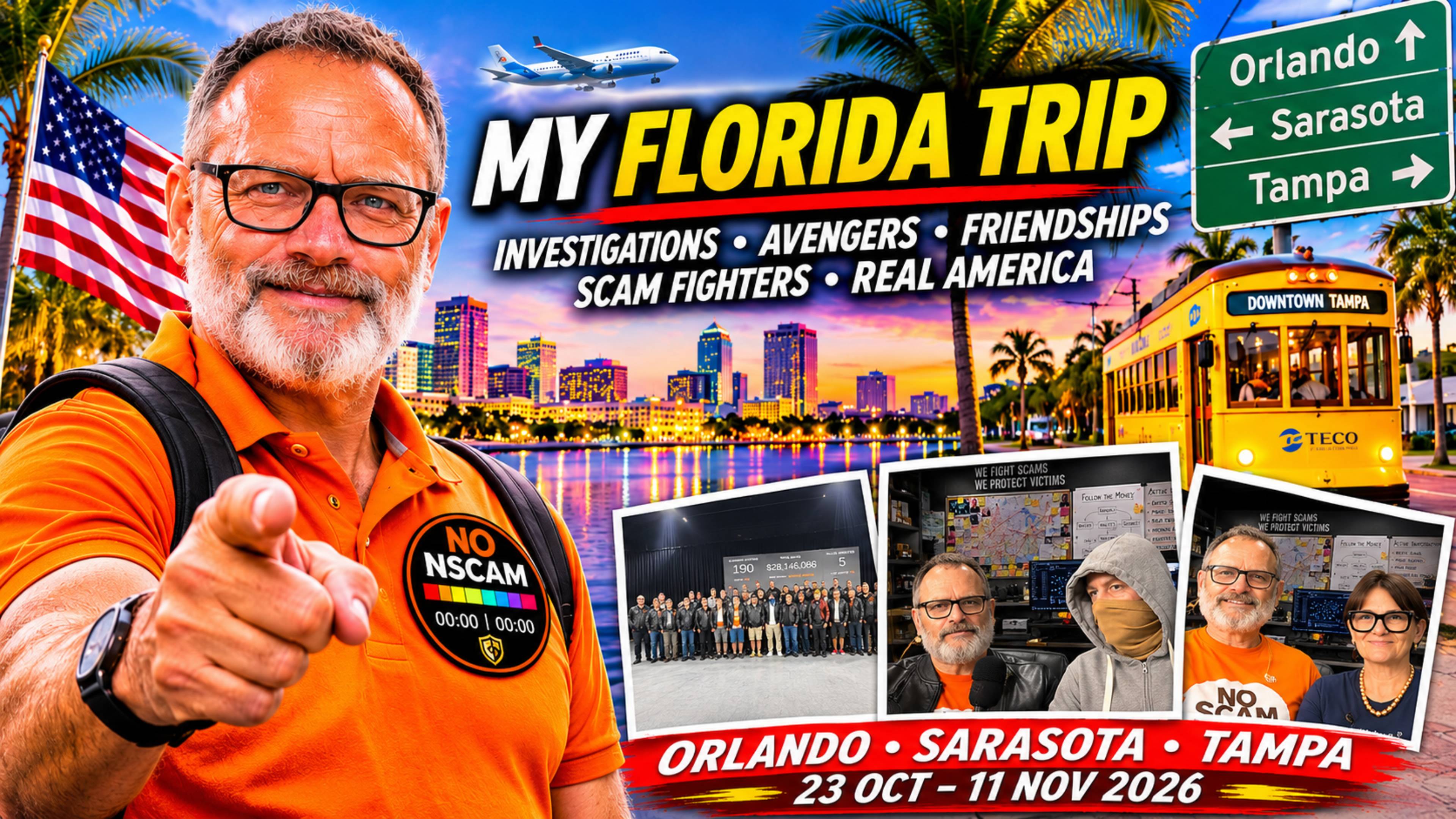
I travelled halfway around the world from Christchurch, New Zealand, to Florida, America, expecting to spend several weeks meeting fellow investigators, exposing financial fraud and strengthening relationships with people who share my determination to protect ordinary investors.
What I didn’t anticipate was just how much this journey would challenge me, both personally and professionally.
Between 18 October and 11 November 2026, I travelled through Orlando, Sarasota and Tampa, meeting some of the world’s most recognised scam fighters, investigative journalists and cybersecurity specialists. Many were people I had worked alongside online for years but had never met face-to-face.
I’ve visited around 40 countries, and one thing I’ve learned is that you discover far more about a place by walking its streets, using public transport and talking to everyday people than you ever will sitting in a hotel room. Florida gave me plenty of opportunities to do exactly that.
But this wasn’t an ordinary holiday.
For years, I’ve dedicated much of my life to investigating Ponzi schemes, cryptocurrency fraud and the individuals who promote questionable investment opportunities. I’ve interviewed victims, confronted promoters, examined financial claims and worked with whistleblowers who have risked their own safety to expose wrongdoing.
America was an opportunity to take that work beyond the computer screen.
One of the highlights was joining approximately 70 scam fighters in the Tampa area, including 22 YouTubers whose combined audiences represented an estimated 90 million subscribers. During the five-day gathering, our wider network reported preventing approximately $29 million in potential fraud.
Those figures were extraordinary, but the real value of the gathering wasn’t measured in dollars or subscriber numbers. It was the opportunity to sit alongside people who understand how these criminal operations work, share investigative techniques and build relationships that could help prevent future victims from losing everything.
Then, in the middle of it all, my YouTube channel disappeared.
Years of investigative videos, interviews and evidence were suddenly inaccessible. A significant part of my income was threatened, and the platform I relied upon to warn people about scams had effectively been switched off.
The irony was difficult to ignore. I was surrounded by investigators exposing fraudulent operations, while the reporting systems used by online platforms were themselves becoming a serious obstacle to our work.
Yet what happened next reminded me why this trip mattered.
Fellow investigators rallied around me. People offered support, shared their contacts and helped bring attention to what was happening. Outside the investigations, I encountered extraordinary generosity from Americans who offered lifts, friendship and assistance to a Kiwi finding his way around Florida.
I went to America to strengthen the fight against financial fraud. I returned to New Zealand with something equally valuable: a much greater appreciation of the people standing beside me.
This is the story of those 25 days, the places I visited, the people I met, the investigations that brought us together and the experiences that reminded me why this work is worth continuing.
Orlando – Where the Journey Began
After travelling halfway around the world from Christchurch, New Zealand, I arrived in Orlando, Florida, on 18 October 2026. It was the beginning of an American adventure that would take me through three Florida cities, introduce me to some extraordinary people and provide opportunities to advance investigations I had been working on from New Zealand.
Orlando was more than just a convenient place to begin my travels. It was also the centre of one of the largest cryptocurrency investment fraud cases I had investigated, involving Goliath Ventures Inc. and its founder, Christopher Delgado, who pleaded guilty to federal fraud and money laundering charges in June 2026.
Goliath Ventures – An Investigation That Brought Me to Florida
My investigation into Goliath Ventures had begun long before I boarded a plane. The company attracted investors with promises of substantial monthly returns, presenting its cryptocurrency trading operation as a way to generate consistent income while protecting investors’ principal.
The investment opportunity was promoted with returns commonly described as 3% to 4% per month, with later offers reportedly reaching 8.5%. Investors were encouraged to commit significant sums, often starting at US$100,000, with assurances that their principal was guaranteed.
Those promises were among the reasons I began asking questions.
By December 2025, investors were reporting missed payments. The following month, some were unable to access their accounts. What had been presented as a reliable income-generating investment was beginning to unravel.
On 24 February 2026, US federal authorities arrested Christopher Delgado in connection with a fraud involving at least US$328 million. Delgado subsequently pleaded guilty in June 2026 to federal charges involving wire fraud and money laundering.
I had hoped to be in Orlando for his sentencing, originally scheduled for 21 October 2026, but the hearing was postponed.
Although that changed one of my plans, being in Florida still brought home the human side of an investigation that had previously involved countless hours examining claims, following financial developments and communicating with people affected by the collapse.
Behind every figure in a court document is somebody who trusted the wrong person with their money.
Taking the Anti-Scam Message to Apopka
On 22 October, I travelled to Apopka, just outside Orlando, to speak at a Rotary Club gathering about my investigative work and the mission of the Avengers Anti-Fraud Alliance.
One of the challenges of exposing financial fraud is explaining why intelligent, successful and otherwise cautious people become involved in questionable investment opportunities. Fraudsters rarely introduce themselves as criminals. They build credibility through professional presentations, apparent success stories, personal recommendations and promises that seem convincing when delivered by somebody you trust.
I wanted people to understand that the problem isn’t simply a lack of financial education. It’s the deliberate manipulation of trust.
My work with the Avengers focuses heavily on the promoters who introduce these opportunities to ordinary investors. We investigate their claims, examine the businesses behind them and challenge representations that don’t stand up to scrutiny.
Speaking directly to people in America gave me another opportunity to explain why independent investigations matter, particularly when financial regulators and law enforcement agencies are often responding after investors have already suffered significant losses.
Experiencing Orlando Beyond the Investigations
Of course, I wasn’t going to travel all the way to Florida and spend every waking hour investigating scams.
I’ve always enjoyed exploring unfamiliar places on foot, and Orlando offered my first opportunity to adjust to American life. Even simple things such as navigating public transport, finding somewhere vegetarian to eat and getting used to the distances between places became part of the experience.
Coming from New Zealand, I was reminded how differently American cities are designed. A destination that looks reasonably close on a map isn’t necessarily an easy walk, particularly when major roads, large intersections and sprawling commercial developments get in the way.
But travelling independently has its advantages. You meet people, discover places you wouldn’t otherwise visit and experience a side of America that organised tours rarely provide.
Orlando was my starting point, but I had another destination in mind.
On 23 October, I headed towards Sarasota on Florida’s Gulf Coast, ready to spend several days exploring a different part of the state before travelling north to Tampa for what would become the most significant gathering of scam fighters I had ever attended.
Goliath Ventures – Following the Money Beyond Christopher Delgado
One of the reasons I travelled to Florida was to continue an investigation that had already occupied approximately 12 months of my life. Goliath Ventures Inc., the cryptocurrency investment operation founded by Christopher Delgado, had collapsed, leaving investors facing enormous losses and many unanswered questions about where their money had gone.
Delgado had pleaded guilty to federal fraud and money laundering charges, but for me, that was never going to be the end of the investigation.
The bigger question was what had happened to the money, who else had benefited and whether additional assets could still be recovered for victims.
A Potential Storage Facility in Apopka
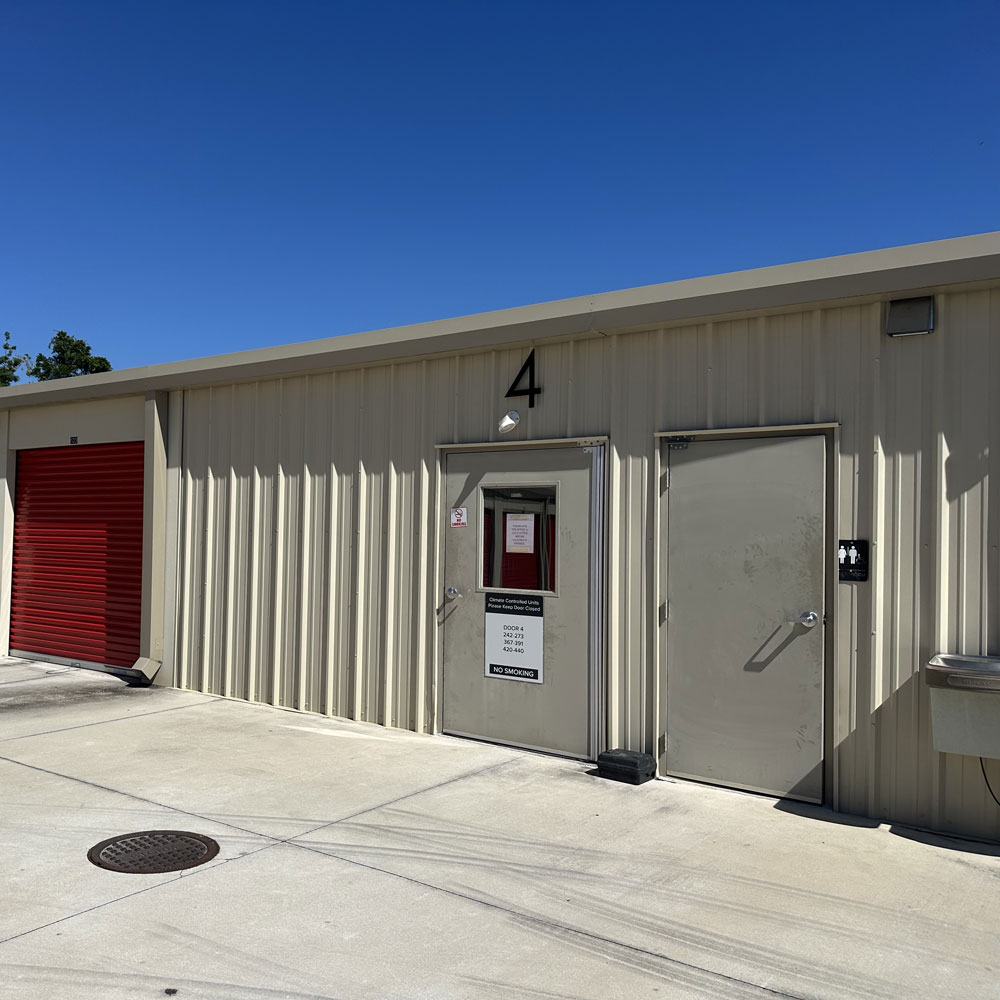
During my time in Florida, I continued following information supplied by witnesses and people familiar with Delgado’s activities.
One particularly interesting lead involved eyewitness reports of Brink’s armoured trucks allegedly transporting valuable possessions from properties associated with Christopher Delgado and his family to a storage facility in the Apopka area.
Our investigative team received accounts suggesting that these trucks had collected items from more than one property. We believe we may have identified the storage facility involved, raising important questions about what was transported, who authorised the movements and whether any of the property could be recoverable for Goliath Ventures investors.
I believe we may have identified the storage facility where some of those possessions were taken.
That doesn’t establish what was inside, who legally owned the contents or whether any property belonged to the Goliath Ventures bankruptcy estate. Those questions require proper investigation.
However, when hundreds of millions of dollars are involved and victims are waiting to recover their savings, credible eyewitness accounts of valuable property being moved into storage should not simply be overlooked.
I passed the location information and supporting intelligence to the professionals involved in recovering assets.
What disappointed me was the apparent lack of substantive engagement with the lead.
Looking for Christopher Delgado’s Former Wife
Another important part of my Florida investigation involved attempting to speak with Andi, Christopher Delgado’s former wife.
I visited the property where she had been living, hoping to speak with her directly about Goliath Ventures and better understand what she knew about the operation.
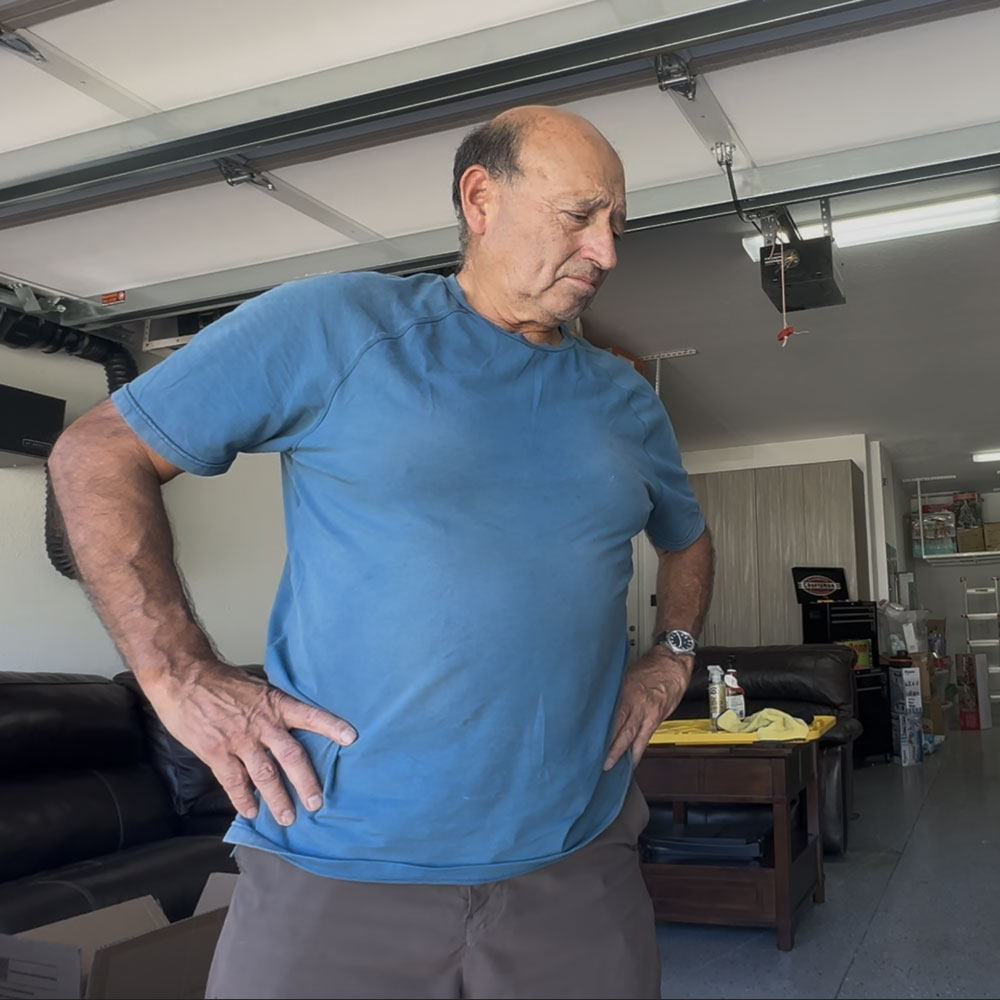
When I arrived, the garage was open, and I met a man who introduced himself as Andrew, Andi’s father.
Andi wasn’t home. According to Andrew, she was working, having taken a job following the collapse of Goliath Ventures.
What began as a brief enquiry turned into an unexpected conversation lasting almost 20 minutes.
Andrew told me he was helping his daughter clear out the property because she was required to leave by the end of November. He said she planned to move in with her mother to reduce her living expenses.
It was a very different picture from the wealth and lifestyle that had surrounded Christopher Delgado while Goliath Ventures was attracting hundreds of millions of dollars from investors.
What Andrew Told Me About Goliath Ventures
During our conversation, Andrew told me that Andi had not known about the fraudulent dealings behind Goliath Ventures.
I challenged that account.
Our investigation had identified documents containing Andi’s name, including contracts connected to the operation. However, we had not established that she knowingly participated in the fraud.
Andrew suggested that she may have signed documents without fully understanding their significance. That was his explanation, not something I could independently confirm.
One of the more revealing parts of the conversation came when Andrew acknowledged that Andi had personally contacted him to ask whether he wanted to invest in Goliath Ventures.
He told me he had declined because he couldn’t understand how the investment generated its returns.
“I just didn’t understand how they made money,” he explained.
Andrew said he had initially believed the operation was legitimate, despite his reservations about cryptocurrency. He compared cryptocurrency valuations to collectable baseball cards, questioning how something could become so valuable simply because other people were prepared to pay more for it.
His decision not to invest may have saved him from substantial financial losses.
The conversation also raised an important distinction. Encouraging a family member to consider an investment does not automatically establish knowledge of fraud, but it does demonstrate how investment opportunities can spread through trusted personal relationships.
A Family Dealing With the Collapse
Andrew spoke openly about the consequences the collapse had brought to his daughter’s life.
He said she had found employment, was reducing her expenses and was preparing to leave the property. He also discussed vehicles and other assets that had reportedly been affected by recovery proceedings.
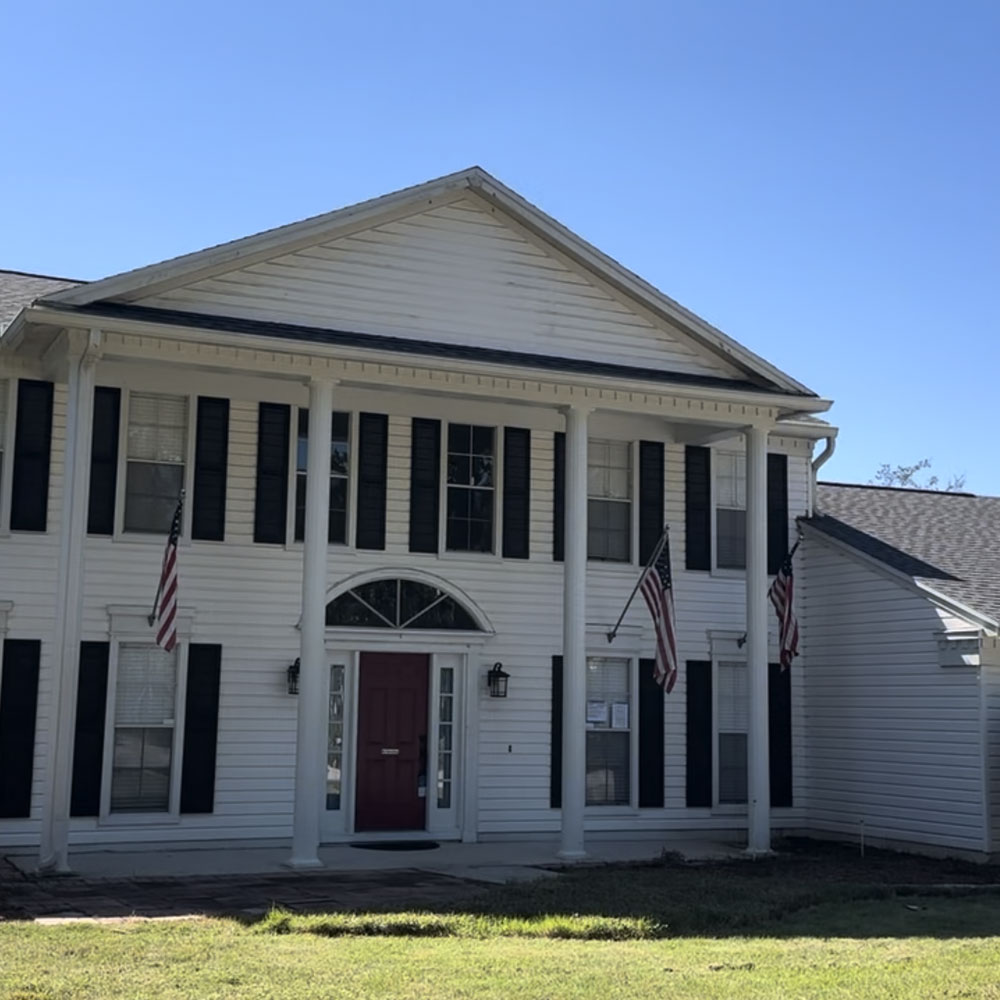
I had already visited another property associated with Delgado’s family and observed signs relating to its status.
Andrew appeared concerned about the wider consequences for his daughter and grandchildren. He told me he had tried to stay out of the financial dealings and had never sought money from Delgado, even during the period when the family appeared to be doing extremely well.
Throughout the conversation, I was conscious that being related to somebody convicted of financial fraud does not establish personal responsibility.
At the same time, I wasn’t prepared to ignore the questions raised by documents and financial relationships simply because somebody was a family member.
The evidence must determine who warrants further investigation, not their surname or personal circumstances.
I left without speaking to Andi, but with a Recorded Conversation that provided additional firsthand information and several matters worth checking against the documents already gathered by our team.
The Questions Facing the Bankruptcy Recovery Team
By the time I returned to New Zealand, my frustration with the asset-recovery process had grown considerably.
Our team had identified approximately 200 persons of interest, including promoters, commission recipients, former associates, potential beneficiaries and witnesses. Being included in our research does not establish wrongdoing, but their financial relationships and activities may help explain how the operation functioned.
We had also examined cryptocurrency transactions, referral networks, bankruptcy claims and reported payments associated with Goliath Ventures.
One particular concern involved approximately US$174 million in reported payments. I wanted to know how much represented investors receiving their original capital, how much consisted of purported investment returns and how much went to promoters or other beneficiaries.
We had also identified approximately US$10 million in cryptocurrency movements or holdings potentially connected to Goliath-related wallets, alongside a separate US$4.5 million transaction lead. Those connections still require professional verification.
The information wasn’t sufficient to establish that all those funds were recoverable.
But it was sufficient to justify asking whether qualified forensic investigators were examining the leads.
My Formal Complaint After Returning Home
 On 13 November 2026, two days after leaving America, I sent a formal complaint to Jacob Friedman and members of the Goliath Ventures recovery team.
I questioned why the independent intelligence gathered by the Avengers Anti-Fraud Alliance did not appear to be receiving meaningful attention from the professionals responsible for identifying and recovering assets.
My complaint specifically referred to the court-approved appointment of Steven A. Wolf and GlassRatner Advisory & Capital Group, whose responsibilities included reconstructing financial transactions, investigating potentially fraudulent transfers and identifying recovery opportunities.
I wasn’t suggesting that the bankruptcy professionals had done nothing. I acknowledged the financial-record subpoenas and other investigative steps already undertaken.
My concern was whether their work was being connected with the information gathered by people who had spent months following the promoters, financial recipients and associates of Goliath Ventures.
I also asked whether anyone had investigated the potential Apopka storage facility, sought relevant records or attempted to establish whether assets belonging to the bankruptcy estate had been moved there.
The complaint contained 11 formal requests, including a meeting with the forensic investigators, examination of payments to promoters, professional assessment of cryptocurrency leads and a secure process for submitting witness information.
I requested a substantive response within 10 business days.
The Victims Deserve More Than a Guilty Plea
My frustration comes from knowing how much information our team has gathered and how many people have contributed to this investigation without expecting anything in return.
We’ve spent thousands of hours examining Goliath Ventures, speaking with sources, reviewing transactions and identifying relationships that may warrant further scrutiny.
I recognise that independent investigators don’t have the legal authority to compel financial institutions to release records, freeze assets or pursue bankruptcy recovery proceedings.
That’s precisely why cooperation matters.
I don’t expect the receivers or forensic accountants to accept our conclusions without verification. I expect them to examine credible evidence and determine whether it could lead to additional recoveries.
Christopher Delgado’s guilty plea established criminal responsibility, but it didn’t answer every question about who received the money or where potentially recoverable assets may remain.
I returned from Florida with new firsthand information, additional intelligence and a stronger determination to keep following those questions.
For the victims of Goliath Ventures, the investigation should not end simply because the person at the centre of the operation has pleaded guilty.
Sarasota – Discovering the Real America
After spending my first few days in Orlando, I travelled to Sarasota on Florida’s Gulf Coast on 23 October 2026. I was looking forward to exploring somewhere different, meeting more people and experiencing a side of America that you don’t necessarily see when visiting the major tourist attractions.
What I hadn’t anticipated was just how welcoming everyone would be.
The Avengers Were Waiting for Me
I arrived in Sarasota by bus, travelling like any other budget-conscious tourist, but my arrival was anything but ordinary.
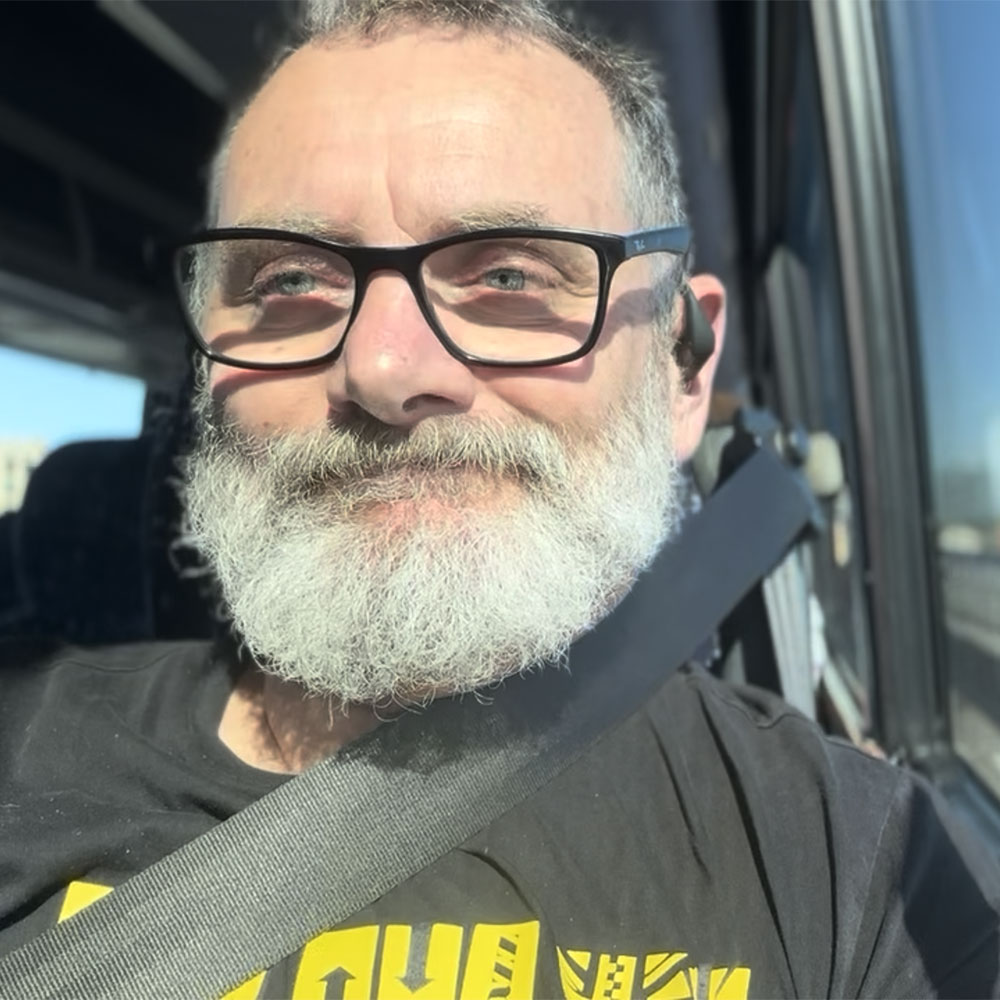 Waiting to collect me from the bus terminal was one of my Avengers, an attractive lady driving a rather flash car.
There I was, travelling around America on public transport, only to be picked up by an attractive woman in a flash car who then whisked me away for dinner!
Not a bad way to arrive in a new city.
She kindly took me to my hotel, and we headed out for a lovely meal together. What happened at the restaurant made the evening even more memorable.
We found ourselves sitting beside a delightful older couple who assumed we were on a romantic date.
They told us they had been married for around 50 years, if my memory serves me correctly, and that they’d actually had their very first date at the same restaurant.
How romantic is that?
We explained that we weren’t a couple and that I was actually visiting from New Zealand, continuing my investigation into Goliath Ventures Inc., the massive cryptocurrency investment fraud that had affected so many American investors.
That certainly caught their attention.
They were intrigued by what I was doing and wanted to know more about my investigative work. Before long, they were asking for my YouTube channel and website so they could follow the investigation and stay in touch.
I couldn’t help but smile. Here I was, thousands of kilometres from home, supposedly enjoying a relaxing dinner, and somehow I’d found myself talking about cryptocurrency fraud again!
But that’s one of the things I love about travelling. You never know who you’re going to meet or where a conversation might lead.
To make the evening even better, the couple had their dog with them, so we both managed to get a much-needed dog fix.
They also told us which apartment complex they lived in, and amusingly, my Avenger was very familiar with the place.
It was one of those completely spontaneous encounters that you could never plan. A bus journey, a flash car, a lovely dinner, a couple celebrating half a century together, an unexpected conversation about Goliath Ventures and a friendly dog thrown in for good measure.
My first evening in Sarasota couldn’t have been better.
Another Avenger and a Much-Needed USB-C Cable
A few days later, I met another Avenger who kindly picked me up, took me out for lunch and spent time showing me around Sarasota.
Before we met, he’d told me that if there was anything I needed while I was in Sarasota, I should let him know. Apparently, he had $350 in an allowance that he needed to use before the end of the year.
I thought it was a generous offer, but I certainly wasn’t expecting anything.
When he picked me up, we stopped at a local service station. He went inside and told me to help myself to anything I needed.
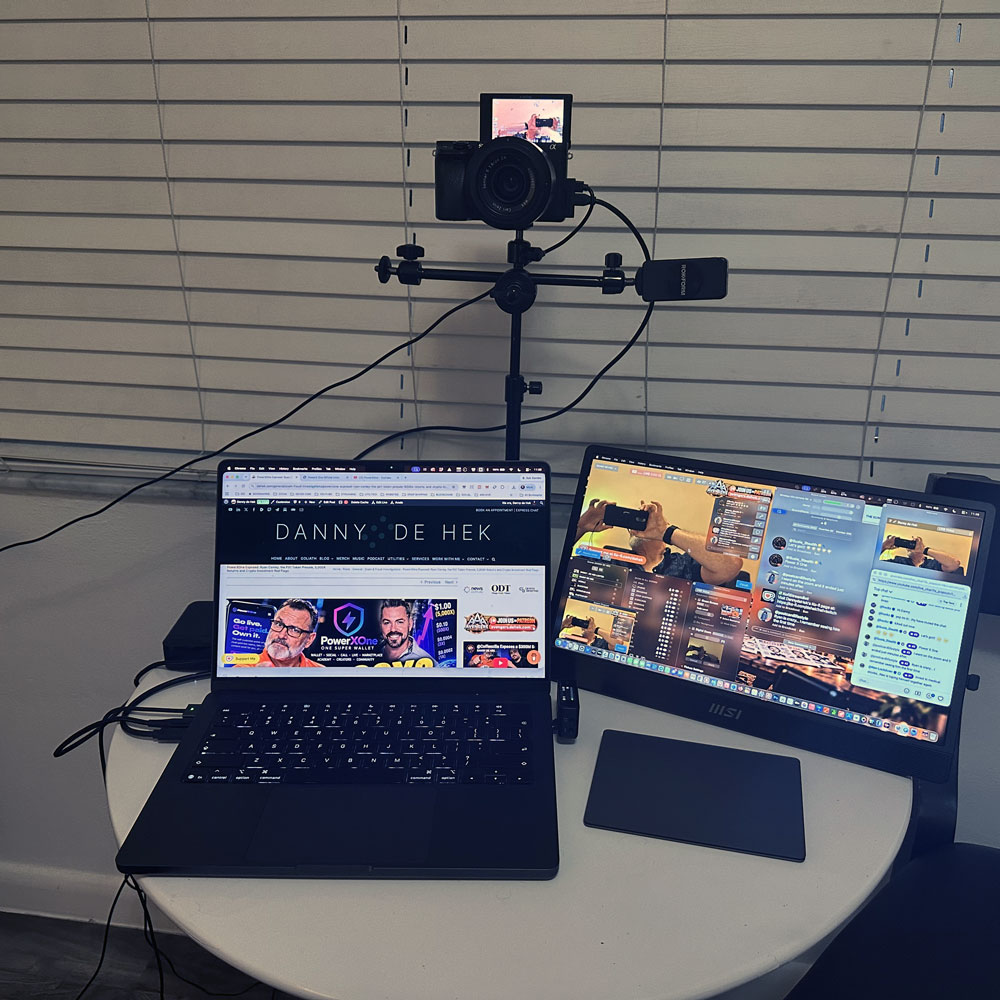 That’s when I remembered something that had been frustrating me throughout my travels.
“Well, actually, I could really do with a USB-C to USB-C cable.”
It probably wasn’t the most exciting thing I could have asked for, especially with $350 available, but it was exactly what I needed.
Without that cable, I couldn’t connect my second monitor to my laptop, which made working on investigations and running my YouTube livestreams considerably more difficult.
He kindly bought me the cable, and suddenly I was back in business.
It’s funny how something so small can make such a big difference when you’re travelling and trying to work at the same time.
That cable became one of the most useful things I acquired during my entire American adventure.
The other amusing thing was that this Avenger and the lady who had collected me from the bus terminal actually knew each other.
However, because both preferred to remain anonymous, I never mentioned either meeting to the other.
That’s something people don’t always appreciate about investigative work. Many of the people who help us prefer to remain behind the scenes, and protecting those relationships is important.
Throughout my time in Sarasota, there was barely a day when somebody wasn’t offering to meet me, take me out for dinner or show me around.
I had travelled to America alone, but I certainly didn’t feel alone.
Finally Meeting Bobby Lane After Four Years
One of the absolute highlights of my time in Sarasota was finally meeting Bobby Lane, somebody I had been communicating with for more than four years.
Bobby is one of my Avengers, and despite all the time we’d spent corresponding, I had never actually seen him on camera.
Think about that for a moment.
Here was somebody I’d built a friendship with over four years, sharing information, discussing investigations and keeping in touch regularly, yet we’d never met face-to-face.
Throughout my American journey, Bobby and I had been corresponding every day.
As luck would have it, he was in Sarasota on holiday with his family at the same time I was visiting.
We arranged to meet, and for the first time in more than four years, I finally got to shake his hand.
It was an amazing moment.
So much of what the Avengers do happens through computer screens, messages, phone calls and online meetings. We spend countless hours working together, often without ever being in the same country.
Meeting Bobby reminded me that the friendships we’ve built are every bit as real as the investigations we’re undertaking.
It was one of those experiences that made travelling halfway around the world worthwhile.
Exploring Sarasota on Foot
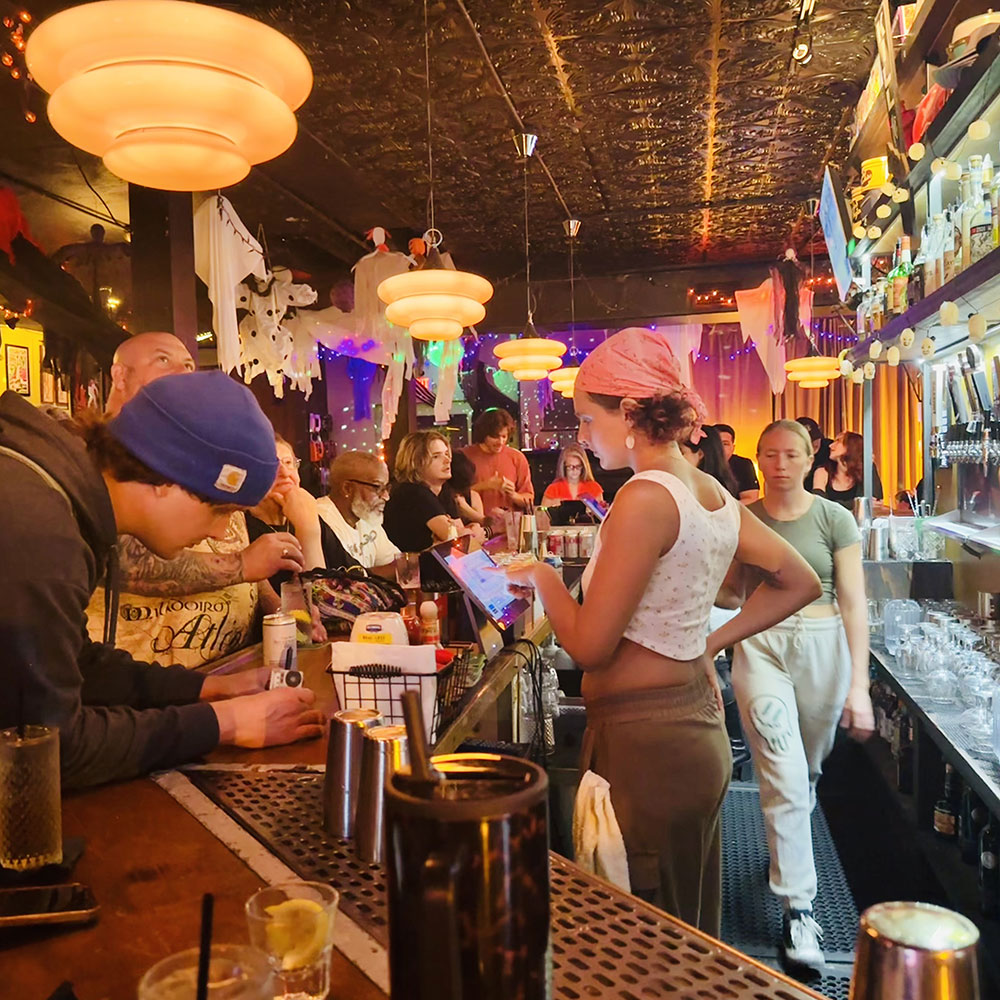 Of course, I also wanted to experience Sarasota itself.
I’ve always enjoyed walking through unfamiliar cities, taking photographs and observing everyday life. You learn so much more about a place when you’re not rushing from one tourist attraction to another.
I spent time exploring Main Street, the waterfront and Bayfront Park, enjoying the atmosphere and watching people going about their daily routines.
Sarasota had a completely different feel from Orlando. The waterfront, outdoor dining and relaxed pace made it a wonderful place to spend several days.
I also made my way to Siesta Key, where I had the opportunity to see another side of Florida’s Gulf Coast.
Being a vegetarian, finding somewhere interesting to eat was always part of the adventure. I’m particularly fond of avocado, although I discovered that even in Florida, restaurants occasionally run out of the one ingredient you’re looking forward to!
Learning to Navigate American Public Transport
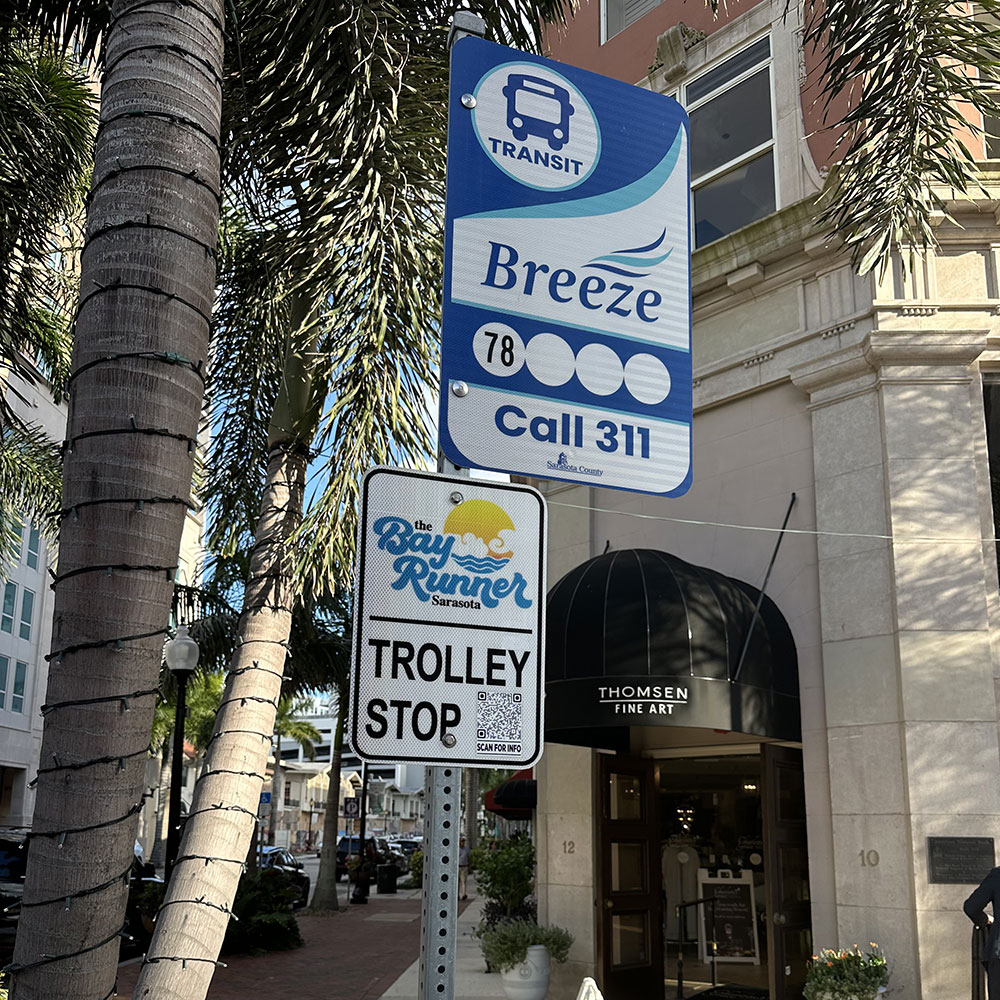 One of the challenges of travelling independently in America is getting around without a car.
I made good use of Sarasota’s free Bay Runner trolley, which connects parts of the city and makes it easier to explore without constantly paying for Uber rides.
Finding the correct stops and working out where to get off wasn’t always straightforward.
Coming from New Zealand, I also found Americans’ habit of giving directions using north, south, east and west rather amusing. I generally prefer somebody to tell me to turn left or right!
There were a few occasions when I found myself wandering around looking for the trolley, but that’s part of travelling.
Eventually, I worked out the routes and managed to explore more of the city without spending a fortune on transport.
More Than Just a Holiday
Looking back, Sarasota was special because of the people.
The meals, the conversations, the sightseeing, the unexpected generosity and finally meeting somebody I’d known online for four years all made a lasting impression.
It also reinforced something I’ve come to appreciate about the Avengers Anti-Fraud Alliance.
 We’re not simply a collection of people exposing scams. We’ve become a network of genuine friendships built on trust, shared experiences and a willingness to help one another.
I arrived in Sarasota knowing very few people personally, yet I left feeling as though I had friends everywhere.
On 29 October, I boarded a bus bound for Tampa, where I was about to meet an even larger group of people dedicated to fighting fraud.
Little did I know just how extraordinary the next part of my American adventure would become.
Tampa – Seventy Scam Fighters, One Mission
When I arrived in downtown Tampa on 29 October 2026, I still had to work out how to reach my accommodation in Trinity, some distance from the city centre. My original pickup arrangements hadn’t worked out, so I took the opportunity to explore downtown Tampa, including the free TECO Line Streetcar, before eventually catching an Uber to the Holiday Inn Express in Trinity.
 I was staying there because I had been invited to an extraordinary gathering of people who, like me, spend much of their lives exposing scams and disrupting fraudulent operations.
Over the following days, I would find myself surrounded by approximately 70 scam fighters, including investigative journalists, cybersecurity specialists, scam baiters, researchers and YouTube creators. Some were people I’d admired for years. Others were individuals I’d worked alongside online but had never met in person.
What struck me almost immediately was how much knowledge existed within this relatively small group. We all approached the problem differently, but we shared one objective: making it harder for criminals to steal money from innocent people.
Meeting the People Behind the Investigations
One of the highlights was finally meeting investigators whose work I’d followed for years, including Jim Browning and Erin West.
Jim Browning has built an international following by exposing scam call centres, documenting how they operate and showing audiences what happens behind the scenes. His investigations have helped millions of people understand the methods criminals use to manipulate their victims.
On 5 November, I recorded an interview with Jim. Having the opportunity to sit down with somebody who has spent years exposing these operations was particularly valuable because, although our investigative methods differ, we regularly encounter the same underlying problems.
The following day, 6 November, I interviewed Erin West, a former prosecutor and one of the people behind Operation Shamrock, an initiative focused on combating cryptocurrency-related fraud and the organised criminal networks involved.
Erin’s work has helped bring greater attention to the international criminal organisations operating scam compounds, particularly in Southeast Asia. These operations are not simply isolated individuals sitting behind computers. Many involve organised networks, money laundering infrastructure and, in some cases, people who have themselves been trafficked and forced to participate in scams.
I also connected with Matthew Cox, whose experiences and knowledge of financial crime offered another perspective on the behaviour of fraudsters.
For me, these weren’t just opportunities to meet recognisable names. They were opportunities to strengthen working relationships, exchange information and better understand how different investigators approach the same problem.
The Avengers Anti-Fraud Alliance
During the gathering, I had the opportunity to explain the work of the Avengers Anti-Fraud Alliance, a network of people who collaborate to investigate and expose questionable financial opportunities.
Our approach is different from traditional scam baiting.
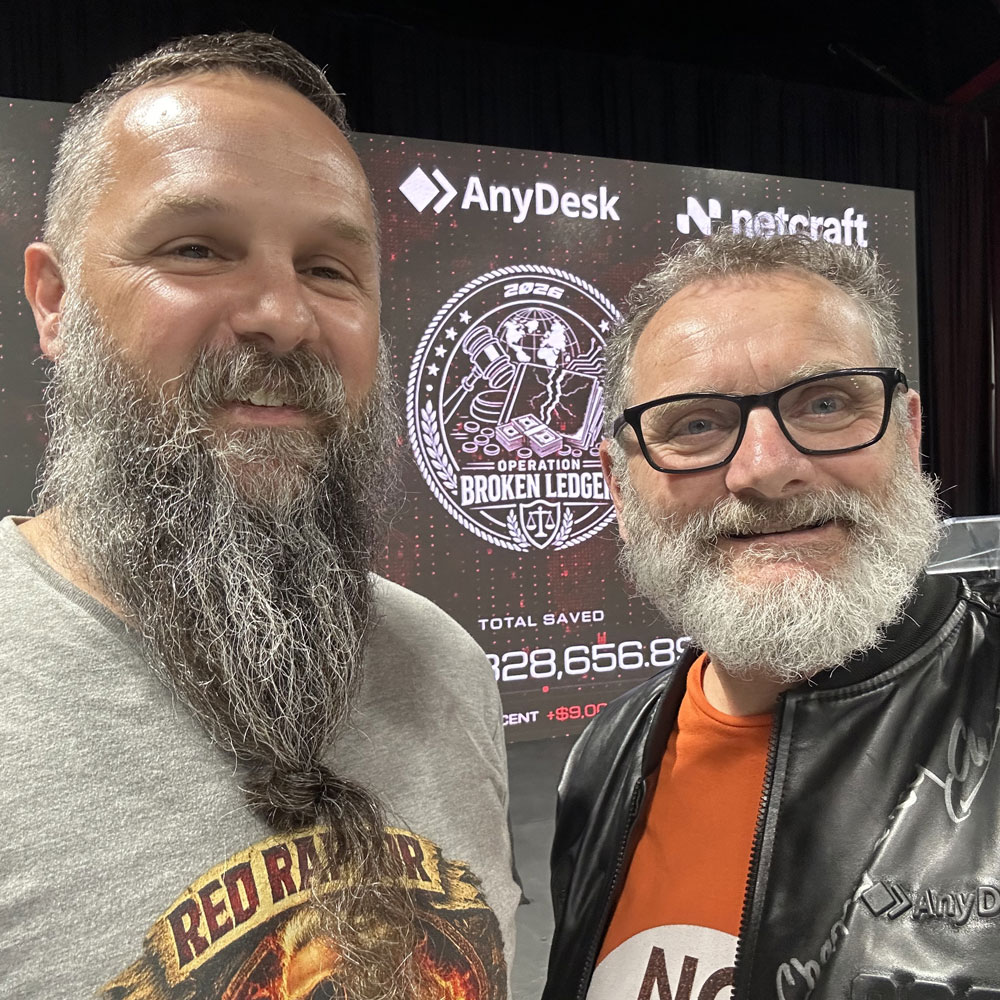 While many scam baiters focus on disrupting call centres and exposing the techniques used in telephone or online fraud, the Avengers spend much of our time investigating investment promoters, cryptocurrency schemes, multilevel marketing operations and the individuals recruiting people into them.
We examine promotional presentations, investigate company structures, follow publicly available financial information and challenge claims that don’t stand up to scrutiny.
One of our more visible activities involves entering online presentations where promoters are attempting to recruit investors. We ask questions about ownership, regulatory authorisation, investment returns and where the money actually comes from.
When promoters cannot answer basic questions about the businesses they’re recommending, those exchanges can become important evidence.
The objective isn’t simply to embarrass somebody during a webinar. It’s to document what is being represented to potential investors and expose contradictions before more people hand over their savings.
I wanted the people in Tampa to understand that financial fraud doesn’t begin when somebody loses their money. It begins when misleading claims convince them to part with it.
The Power of Seventy People Working Together
One of the most remarkable figures discussed during the gathering was that our wider network had reportedly helped prevent approximately US$29 million in potential fraud over five days.
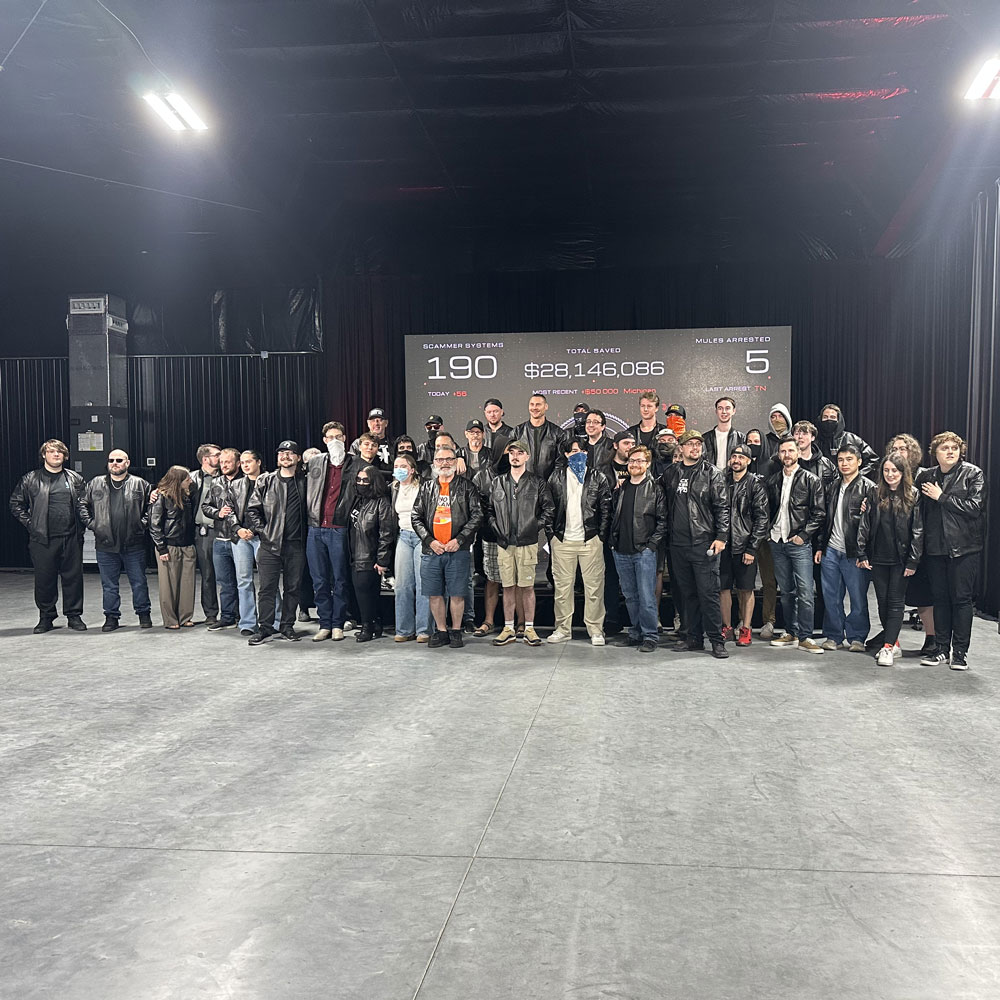 That was an extraordinary claim, and one that deserves proper context. It represented the reported impact of collective disruption and prevention efforts, rather than money recovered from criminals or a figure I had independently audited.
Nevertheless, it demonstrated the potential scale of coordinated anti-fraud work.
There were also approximately 22 YouTubers involved in the gathering, with a combined audience estimated at around 90 million subscribers. Those figures illustrated the reach available when investigators collaborate rather than operate entirely independently.
A relatively small YouTube channel might struggle to attract attention to an emerging scam. But when multiple investigators examine the same operation, share their findings and introduce the evidence to their respective audiences, the opportunity for public scrutiny increases considerably.
For years, I’ve been working from New Zealand, often spending 70 to 80 hours a week investigating schemes and responding to people who have lost money. Being in a room full of people who understood that commitment was a refreshing experience.
I wasn’t having to explain why somebody would devote so much time to exposing fraud. Everyone around me already understood.
A Community That Goes Beyond YouTube
Another important part of the gathering was recognising that no single investigator has all the answers.
Some people specialise in tracing cryptocurrency transactions. Others understand the infrastructure behind scam websites, the psychology of social engineering, the workings of international criminal networks or the legal processes involved in holding offenders accountable.
My own experience lies largely in identifying questionable investment opportunities, challenging promoters and documenting the behaviour of people who repeatedly introduce the public to schemes that later collapse.
Bringing those different skills together creates opportunities that wouldn’t exist if everyone worked in isolation.
It also reminded me that the Avengers Anti-Fraud Alliance could become part of something much bigger. The relationships formed in Tampa weren’t limited to the few days we spent together. They opened the door to future collaborations, shared investigations and greater support when somebody encounters a problem they cannot solve alone.
And I was about to discover just how important that support could be.
While I was surrounded by some of the world’s most experienced scam fighters, my own YouTube channel was suddenly taken offline.
The timing could hardly have been more ironic.
When the Fight Against Scams Became Personal
On 4 November 2026, while attending the anti-scam gathering in Tampa, I experienced something that every independent investigative journalist who relies on social media should be concerned about.
YouTube took down my channel.
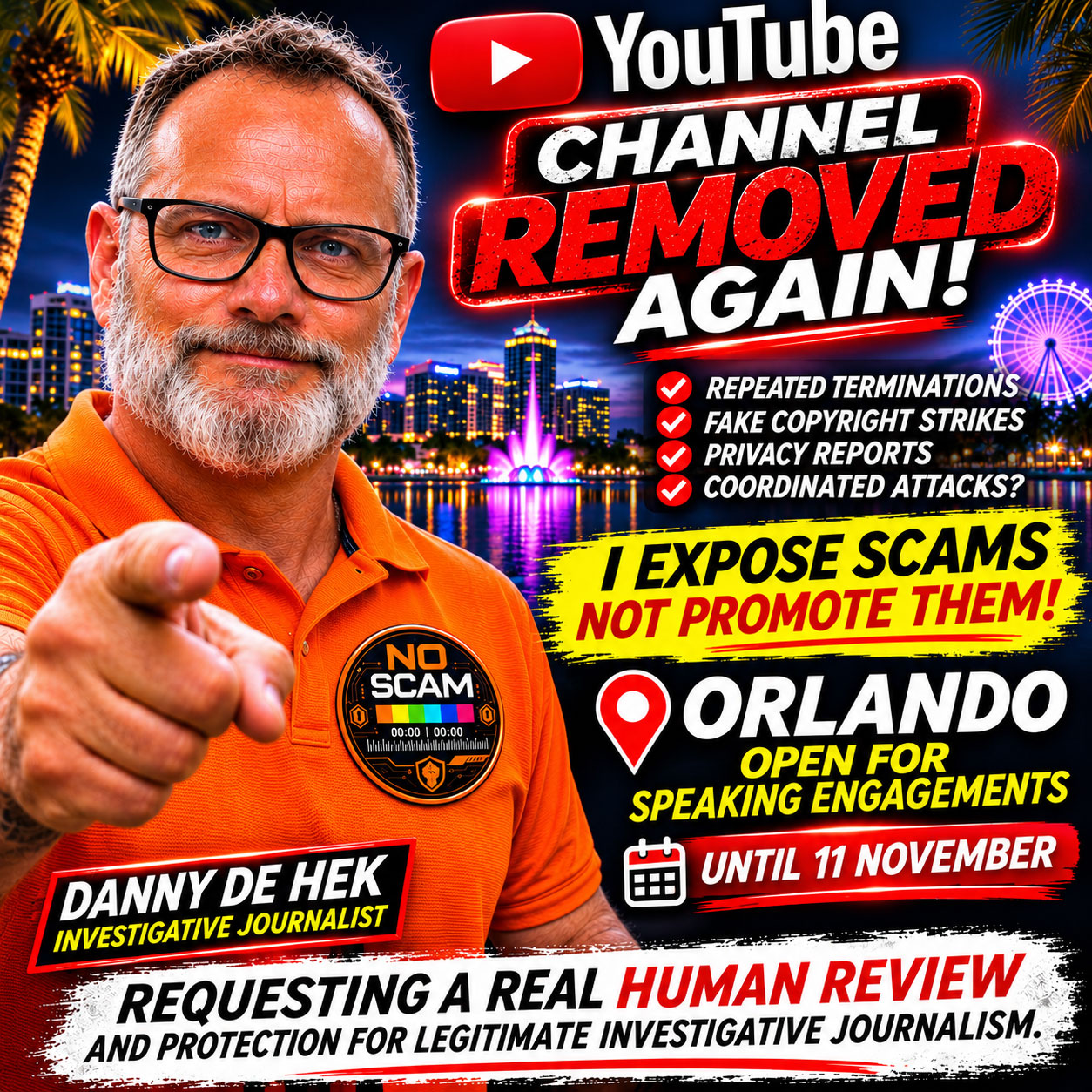 Years of investigative work, interviews, livestreams and evidence documenting questionable investment schemes suddenly became inaccessible. I had spent countless hours building an audience, warning people about financial fraud and confronting individuals who promote investments that don’t withstand scrutiny.
With one decision by YouTube, much of that work disappeared from public view.
The financial consequences were immediate. YouTube represented approximately half my income, and although I’ve never made a fortune from exposing scams, the revenue helps support investigations that regularly consume 70 to 80 hours of my week.
What made the situation particularly frustrating was the contrast between the treatment of investigative channels and the continued presence of accounts promoting questionable financial opportunities.
I’ve repeatedly reported channels that I believe are misleading investors, yet many remain online. Meanwhile, my own reporting has faced complaints from individuals whose activities I’ve investigated.
That contradiction deserves scrutiny.
When Platform Reporting Systems Become a Weapon
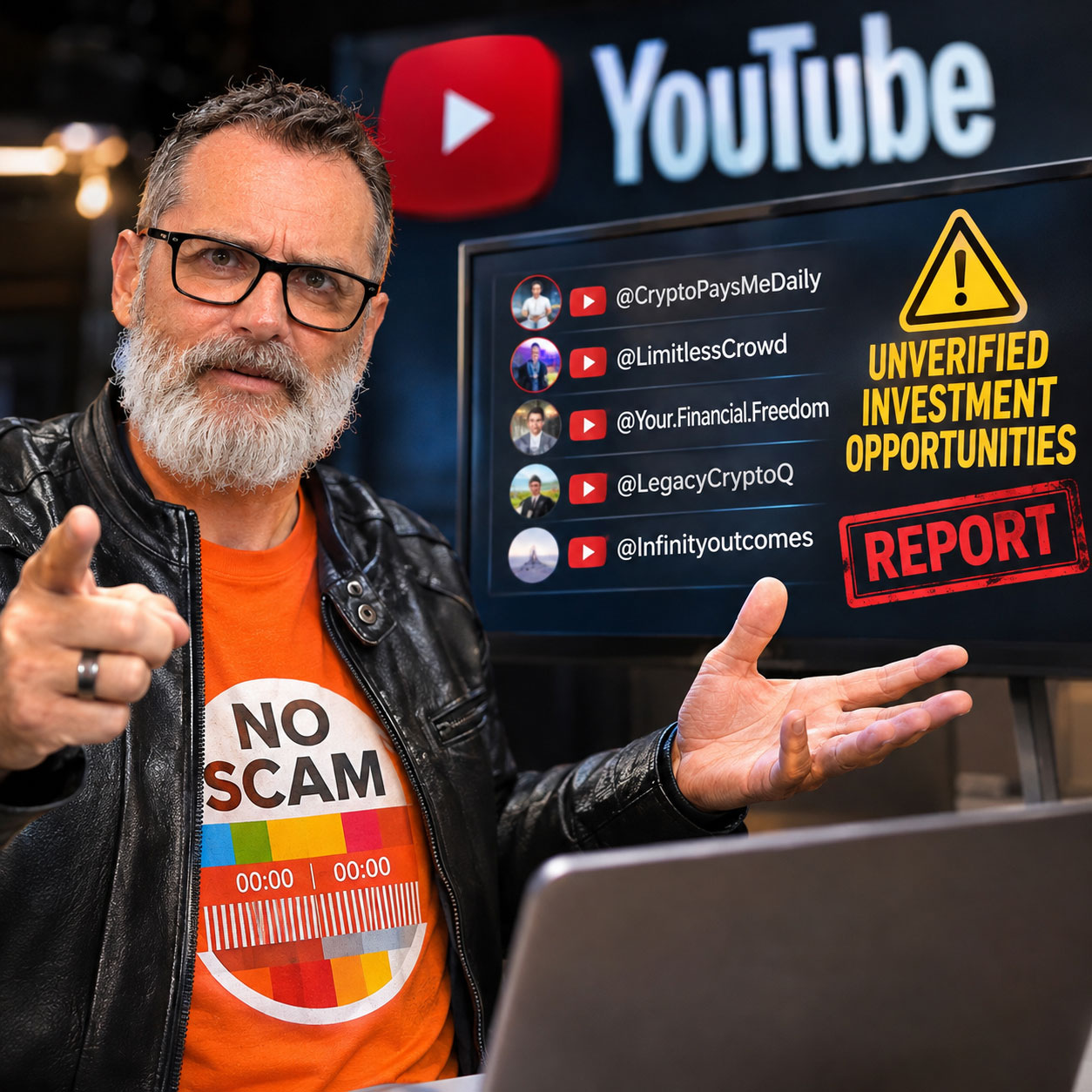 For some time, I’d been dealing with privacy complaints concerning videos in which I discussed individuals involved in financial promotions and cryptocurrency-related businesses.
My reporting frequently relies on publicly available information, including company records, websites, promotional presentations, social media activity and statements made by promoters themselves.
When somebody publicly encourages people to invest money, I believe their representations deserve examination. That includes asking who operates the business, whether the advertised returns are realistic and what evidence supports the claims being made.
However, being the subject of an investigation doesn’t necessarily mean somebody welcomes public scrutiny.
I’ve raised concerns with YouTube that its reporting mechanisms can be misused by people seeking to suppress legitimate investigative reporting. That doesn’t establish that every complaint against my channel was malicious, but it does raise an important question about how platforms distinguish genuine privacy concerns from attempts to silence criticism.
A privacy complaint should not automatically become a mechanism for removing evidence of public financial promotions.
I had repeatedly asked YouTube for meaningful human review and an opportunity to make reasonable edits where necessary, rather than losing entire investigations.
Fourteen Hours That Put Everything Into Perspective
My channel was restored approximately 14 hours after it disappeared, but that didn’t mean the problems were over.
Further privacy complaints followed, and I continued communicating with YouTube about the removal of investigative content and the possibility of additional enforcement action.
The experience was particularly unsettling because I’d already dealt with a channel termination earlier in 2026. I knew how difficult it could be to navigate YouTube’s enforcement systems and obtain clear explanations about decisions affecting my livelihood.
During the Tampa gathering, I spoke about what had happened and how quickly years of work could be placed at risk.
I wanted other creators to consider what they would do if they woke up tomorrow and discovered that their channel had disappeared.
For somebody producing entertainment, that could be devastating. For an investigative journalist whose videos contain interviews, documented claims and warnings about financial schemes, there is another consequence: potentially valuable information becomes unavailable to the people who need it.
And when the subject of that reporting is still actively promoting investments, the timing of a removal can matter enormously.
The People Who Stood Behind Me
One of the most encouraging parts of this experience was the response from fellow scam fighters.
I was surrounded by people who understood the importance of preserving investigative work and the difficulties independent creators face when dealing with large technology companies.
Rather than facing the situation alone in New Zealand, I could discuss it directly with investigators and YouTubers who had experienced similar challenges or understood the potential consequences.
That support reinforced something I’d spoken about during my presentation on the Avengers Anti-Fraud Alliance.
We spend so much time trying to protect other people that it’s easy to overlook the importance of protecting one another.
The gathering in Tampa wasn’t simply about combining investigative techniques or reaching larger audiences. It was also about creating a community where people could share problems, offer advice and stand together when somebody encountered difficulties.
I had travelled to America hoping to strengthen that network.
I hadn’t expected to become an example of why it was needed.
When Charlie Brought the Issue to a Wider Audience
The concerns surrounding YouTube’s enforcement systems didn’t end when I left Tampa.
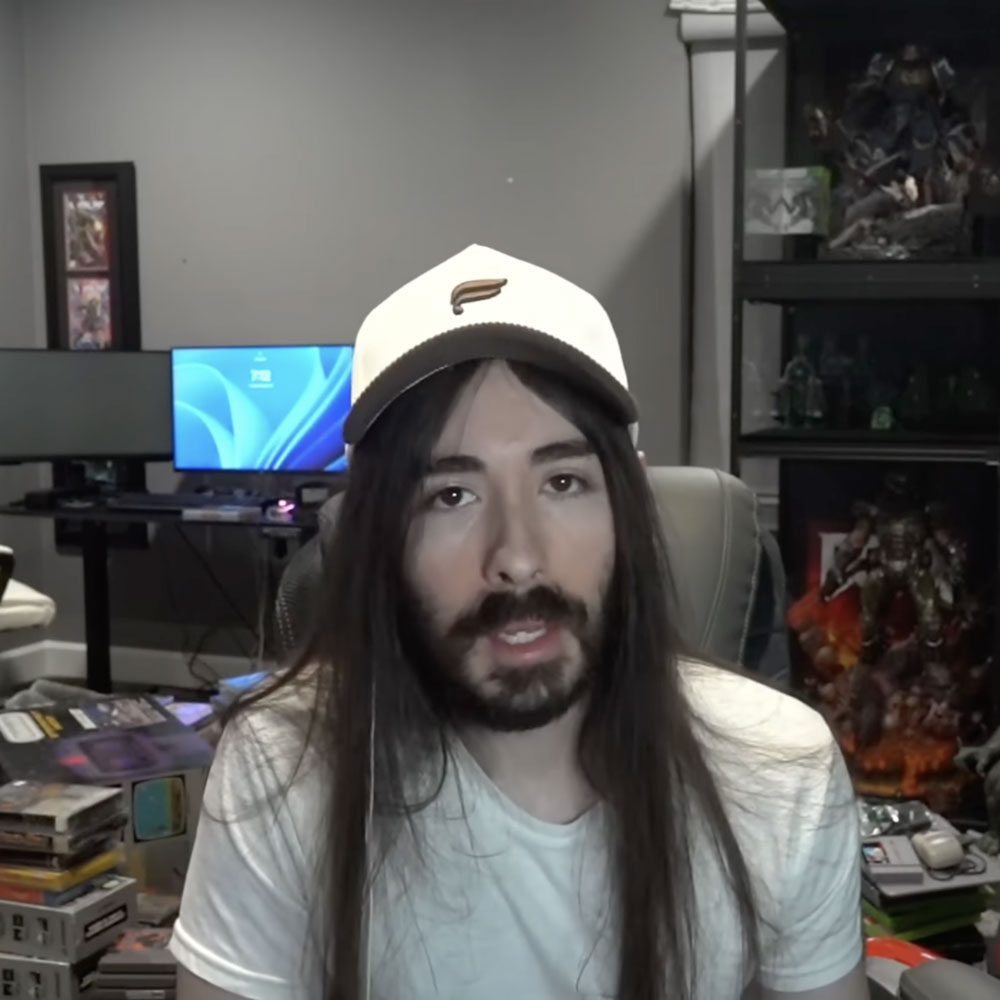
As I was making my way home through Australia, I learned that Charlie, known online as penguinz0 or MoistCr1TiKaL, had released a video discussing how scammers and other bad actors could exploit YouTube’s reporting mechanisms to target creators exposing wrongdoing.
My situation was among the cases he discussed.
Charlie’s channel has an audience of 18 million subscribers, giving the issue visibility far beyond what I could achieve through my own platform.
I’d also had the opportunity to meet him face-to-face during my American travels and share a meal with a group of fellow scam fighters. Seeing somebody with that level of influence draw attention to the challenges facing smaller investigative creators was genuinely appreciated.
His video quickly attracted a substantial audience, approaching one million views when I first discussed it.
For me, the significance wasn’t simply the number of people watching. It was that the wider public was being introduced to a problem that independent investigators had been raising for some time.
Online platforms have an enormous influence over which information remains accessible. When enforcement decisions affect investigative journalism, those decisions deserve transparency, consistency and a meaningful opportunity for appeal.
A Reminder of Why the Work Matters
Losing access to my channel, even temporarily, was one of the lowest points of my American journey.
But it happened during one of the most positive experiences I’d had in years: being surrounded by people who understood my work, respected the mission and were willing to help.
That contrast stayed with me.
I’d spent years building the Avengers Anti-Fraud Alliance around the principle that people working together can achieve more than individuals operating alone. In Tampa, I saw that principle working in practice, not only in investigations but also in the support people offered one another.
You can spend years building something and see it threatened overnight. What matters is whether you have the determination, evidence and people around you to keep going.
By the time I prepared to leave America, I had plenty to reflect on. The investigations would continue, the challenges with YouTube were far from resolved, and there were still people trying to undermine the work I was doing.
But I was returning home with a much stronger network of friends and fellow investigators than I’d had when I arrived.
The Journey Home – What America Taught Me
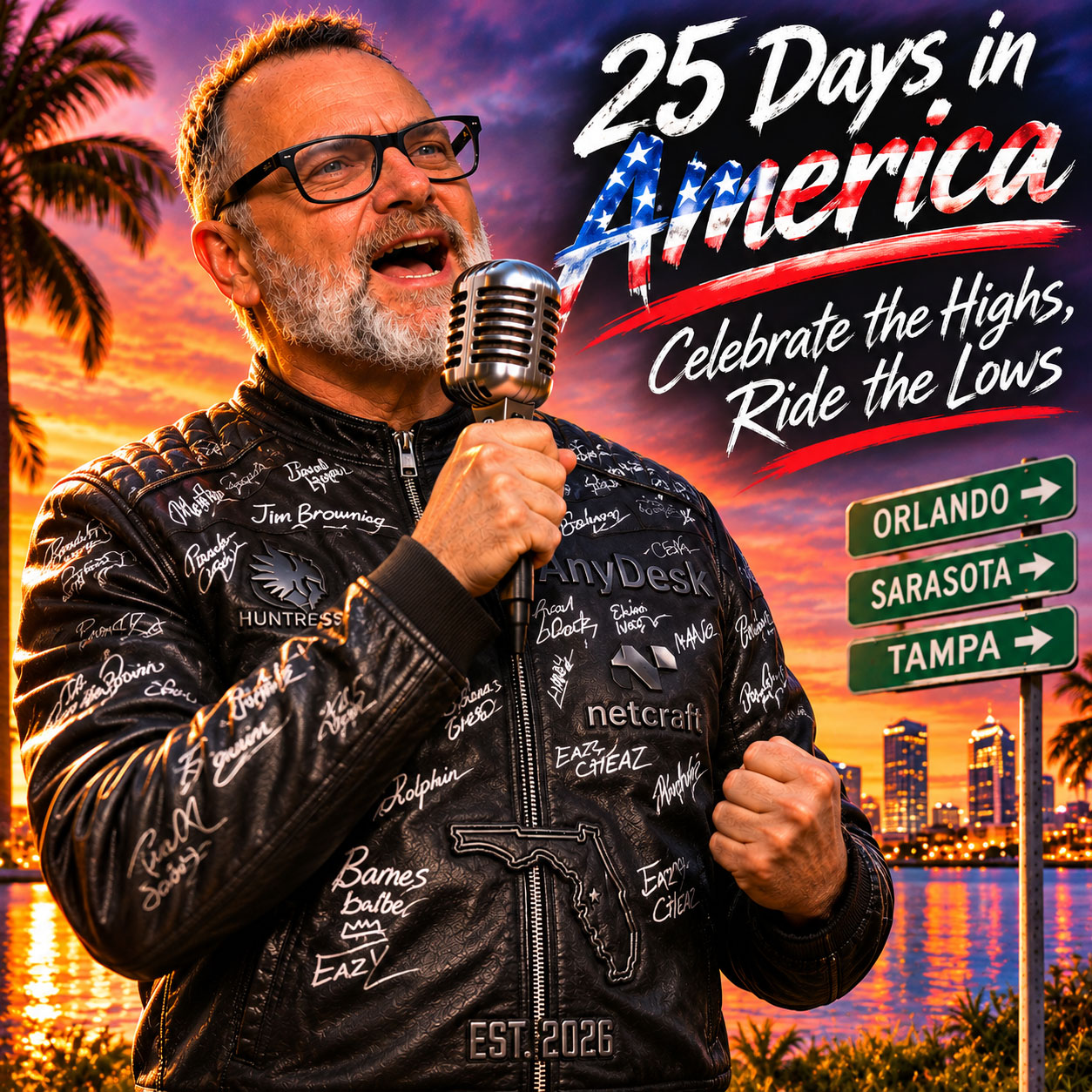
After an extraordinary week in the Tampa area, it was time to return to Orlando for the final part of my American adventure. On 9 November 2026, I checked into the Rosen Inn at Pointe Orlando, where I would spend my last two nights before flying home to New Zealand.
By then, I’d spent more than three weeks travelling around Florida, meeting investigators, exploring unfamiliar cities and making connections that would have been difficult to establish from behind a computer screen in Christchurch.
There was also a physical reminder of just how much travelling I’d been doing. I’d been struggling with persistent pain in my left buttock and leg, which became particularly uncomfortable whenever I sat for extended periods. Walking had generally been easier, but the prospect of spending many hours confined to aircraft seats wasn’t particularly appealing.
Nevertheless, I was looking forward to getting home, catching up on work and reflecting on everything that had happened.
The Generosity of People I Met Along the Way
One of the things that stood out throughout my time in America was the generosity of people who helped me.
Travelling independently without hiring a car meant I occasionally needed assistance getting between locations, particularly around Tampa and Trinity, where distances could be considerable and public transport wasn’t always convenient.
People offered lifts, helped organise transport and made sure I could attend events without having to spend a fortune getting around.
I also encountered people who expressed genuine appreciation for my investigative work and wanted to support what I was doing. Some offered practical assistance, while others simply took the time to share their experiences, introduce me to useful contacts or offer encouragement.
I never take that sort of generosity for granted.
Investigating financial fraud isn’t a conventional business. Much of my work involves researching operations that may never result in a published story, speaking privately with victims or whistleblowers, and examining claims that promoters would rather nobody questioned.
There are no guarantees that an investigation will generate income, and confronting questionable financial operations can create considerable personal and professional challenges.
Knowing that people recognise the value of this work, and are prepared to support it in different ways, is enormously encouraging.
Twenty-Five Days, Three Cities and Countless Conversations
Looking back, each of the three Florida cities offered something different.
Orlando was where the journey began, connecting my American travels with the Goliath Ventures investigation and providing an opportunity to speak publicly about financial fraud at the Apopka Rotary Club.
Sarasota gave me the freedom to explore Florida at my own pace. I walked through downtown streets, photographed the waterfront, visited Siesta Key, discovered free public transport and experienced some of the everyday challenges of travelling around America without a car.
Tampa was where everything came together.
Meeting approximately 70 scam fighters, recording interviews with people such as Jim Browning and Erin West, and discussing the future of the Avengers Anti-Fraud Alliance reinforced why I’d made the journey.
It also gave me a much clearer understanding of the scale of the international community working to combat financial fraud.
Some people investigate cryptocurrency transactions. Others expose scam compounds, disrupt criminal communications or help victims understand how they’ve been deceived.
My own work concentrates heavily on investment promoters and the financial opportunities they recommend to the public.
We approach the problem from different directions, but we’re frequently dealing with the same criminal networks, deceptive behaviour and financial consequences.
The more effectively we share information, the harder it becomes for those operations to function without scrutiny.
The Long Flight Back to New Zealand
On 11 November, I departed Orlando and began the long journey home, travelling through Dallas and Sydney before returning to Christchurch.
By the time I reached Australia, I was tired, my leg was aching and I was ready to get off aeroplanes for a while.
I was also still dealing with the fallout from YouTube’s enforcement decisions, including the renewed uncertainty surrounding my channel.
It wasn’t exactly the relaxing conclusion to an overseas trip that some people might hope for.
But while waiting for my connecting flight in Sydney, I was reminded that the issues affecting investigative creators were attracting attention well beyond my own audience. Charlie’s video discussing the abuse of YouTube’s reporting systems was gaining significant traction, bringing wider attention to concerns I’d been raising.
Even while travelling home, the investigations and the challenges surrounding them continued.
What I Brought Home Was More Valuable Than a Souvenir
I’ve travelled extensively over the years, but this American trip was different.
It wasn’t about visiting famous tourist attractions or ticking destinations off a list. It was about meeting people, strengthening relationships and understanding how much more we could accomplish by working together.
The gathering in Tampa demonstrated what was possible when investigators shared their skills and resources. The reported prevention of approximately US$29 million in potential fraud over five days was an encouraging indication of the impact coordinated efforts could have, even though the figure would require independent verification before being treated as an audited result.
Equally important were the personal connections.
I returned home with new friendships, potential investigative collaborations and a greater appreciation for the people who dedicate their lives to protecting strangers from financial exploitation.
I also came home with a reminder that independent journalism can be vulnerable. Losing access to a YouTube channel, facing repeated complaints and relying on platforms that don’t always provide meaningful explanations are challenges that can threaten the ability of investigators to continue their work.
But those experiences haven’t changed my determination.
If anything, they’ve reinforced it.
The Fight Against Financial Fraud Doesn’t Stop at the Border
One of the most important lessons from my time in America was that financial fraud is an international problem requiring international cooperation.
A questionable investment opportunity might be promoted by somebody in the United States, operated through a company registered in another jurisdiction and marketed to investors living thousands of kilometres away.
The people investigating those operations are often just as geographically dispersed.
That’s why the relationships formed during this trip matter. A researcher in one country might uncover information that helps an investigator somewhere else. A YouTuber with a large audience might bring attention to evidence gathered by somebody with only a few thousand subscribers.
And sometimes, simply having another investigator willing to ask the difficult questions can make all the difference.
I left New Zealand hoping to make a contribution to the international fight against scams. I returned with a much better understanding of the people involved, the challenges they face and the opportunities that exist when we work together.
Twenty-five days in America gave me new friends, new experiences and renewed confidence in what the Avengers Anti-Fraud Alliance can achieve.
There will always be people looking for ways to exploit others financially. There will also be people prepared to challenge them, investigate their claims and expose what the evidence reveals.
After everything I experienced in Florida, I’m more convinced than ever that the second group is growing stronger.
And I’m proud to be part of it.
A Special Thank You to Everyone Who Supported My Journey
 The truth is, I couldn’t have afforded this trip to America without the generosity of others. I originally started fundraising to attend Christopher Delgado’s sentencing. Then I was invited to the Tampa anti-scam gathering, where my flights and accommodation were generously covered. My Avengers and other supporters helped with the remaining expenses.
Thanks to you, I never went hungry, I was never stranded, and I always had somewhere to stay. Some people were incredibly generous, and I genuinely felt embarrassed accepting help at times. I’ve never been comfortable asking for money.
What I’ve learned is that it’s often the same loyal supporters who keep my investigations going. Together, I believe the Avengers have helped prevent millions of dollars in fraud, yet much of this work is still funded through personal sacrifice and donations.
With my YouTube channel now gone, I’ve lost an important source of income and one of the main ways people support my investigations. If you believe in the work I’m doing, even a small contribution would mean a great deal.
You can support me here:
- Ko-fi: ko-fi.com/dehek
- Buy Me a Coffee: buymeacoffee.com/dehek
Both platforms offer the option to donate anonymously.
To everyone who helped me during those 25 days in America, thank you from the bottom of my heart. You made this journey possible, and you continue to make my investigations possible.
Disclaimer: How This Investigation Was Conducted
This investigation relies entirely on OSINT — Open Source Intelligence — meaning every claim made here is based on publicly available records, archived web pages, corporate filings, domain data, social media activity, and open blockchain transactions. No private data, hacking, or unlawful access methods were used. OSINT is a powerful and ethical tool for exposing scams without violating privacy laws or overstepping legal boundaries.
About the Author
I’m DANNY DE HEK, a New Zealand–based YouTuber, investigative journalist, and OSINT researcher. I name and shame individuals promoting or marketing fraudulent schemes through my YOUTUBE CHANNEL. Every video I produce exposes the people behind scams, Ponzi schemes, and MLM frauds — holding them accountable in public.
My PODCAST is an extension of that work. It’s distributed across 18 major platforms — including Apple Podcasts, Spotify, Amazon Music, YouTube, and iHeartRadio — so when scammers try to hide, my content follows them everywhere. If you prefer listening to my investigations instead of watching, you’ll find them on every major podcast service.
You can BOOK ME for private consultations or SPEAKING ENGAGEMENTS, where I share first-hand experience from years of exposing large-scale fraud and helping victims recover.
“Stop losing your future to financial parasites. Subscribe. Expose. Protect.”
My work exposing crypto fraud has been featured in:
- Coffeezilla 2026): Featured in the investigation exposing the alleged $328M Goliath Ventures Ponzi scheme
- Bloomberg Documentary (2025): A 20-minute exposé on Ponzi schemes and crypto card fraud
- News.com.au (2025): Profiled as one of the leading scam-busters in Australasia
- OpIndia (2025): Cited for uncovering Pakistani software houses linked to drug trafficking, visa scams, and global financial fraud
- The Press / Stuff.co.nz (2023): Successfully defeated $3.85M gag lawsuit; court ruled it was a vexatious attempt to silence whistleblowing
- The Guardian Australia (2023): National warning on crypto MLMs affecting Aussie families
- ABC News Australia (2023): Investigation into Blockchain Global and its collapse
- The New York Times (2022): A full two-page feature on dismantling HyperVerse and its global network
- Radio New Zealand (2022): “The Kiwi YouTuber Taking Down Crypto Scammers From His Christchurch Home”
- Otago Daily Times (2022): A profile on my investigative work and the impact of crypto fraud in New Zealand

Leave A Comment