


Sometimes, persistence pays off. And in this case, it led to a huge win for truth, transparency, and every independent journalist fighting to keep public warnings online.
In a stunning reversal, YouTube has reinstated a video that Shavez Ahmed Siddiqui tried desperately to remove — not once, but twice.
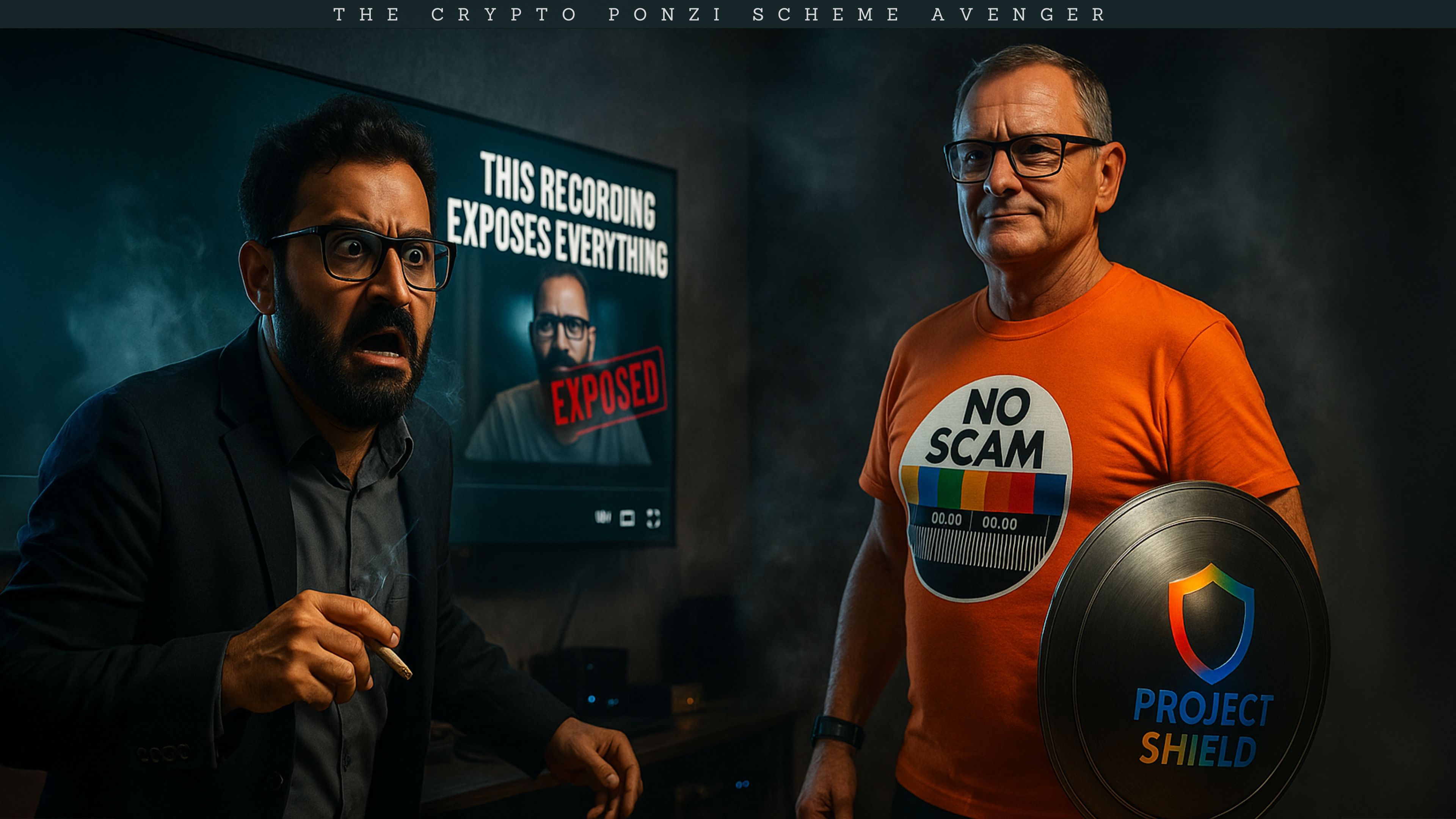
This was no ordinary video. This was one of the most important pieces of footage exposing how Shavez, the man behind BTCC, LquidPay, Protocol Yield, Boomerang, Boomerang 2.0, and D0D0.app, coached others on how to fake KYC, made false claims about trademarks, threatened legal action using AI-generated documents, and even lit up a cigarette mid-Zoom call while talking about investor funds.
This blog isn’t just about a single video. It’s about the lengths scammers will go to silence critics, and how platforms like YouTube, when properly engaged, can still make the right call in favor of investigative journalism.
The Video That Hit a Nerve
Let’s be clear: this wasn’t some private conversation. It was a public promotional Zoom call used to onboard new victims into a scam ecosystem wrapped in crypto buzzwords and fantasy returns. Shavez openly admits to manipulating withdrawal systems, delaying redemptions, and promoting a Visa-backed card that Visa itself denied ever approving, as confirmed in the Bloomberg documentary that aired in June 2025 after a 10-month investigation.
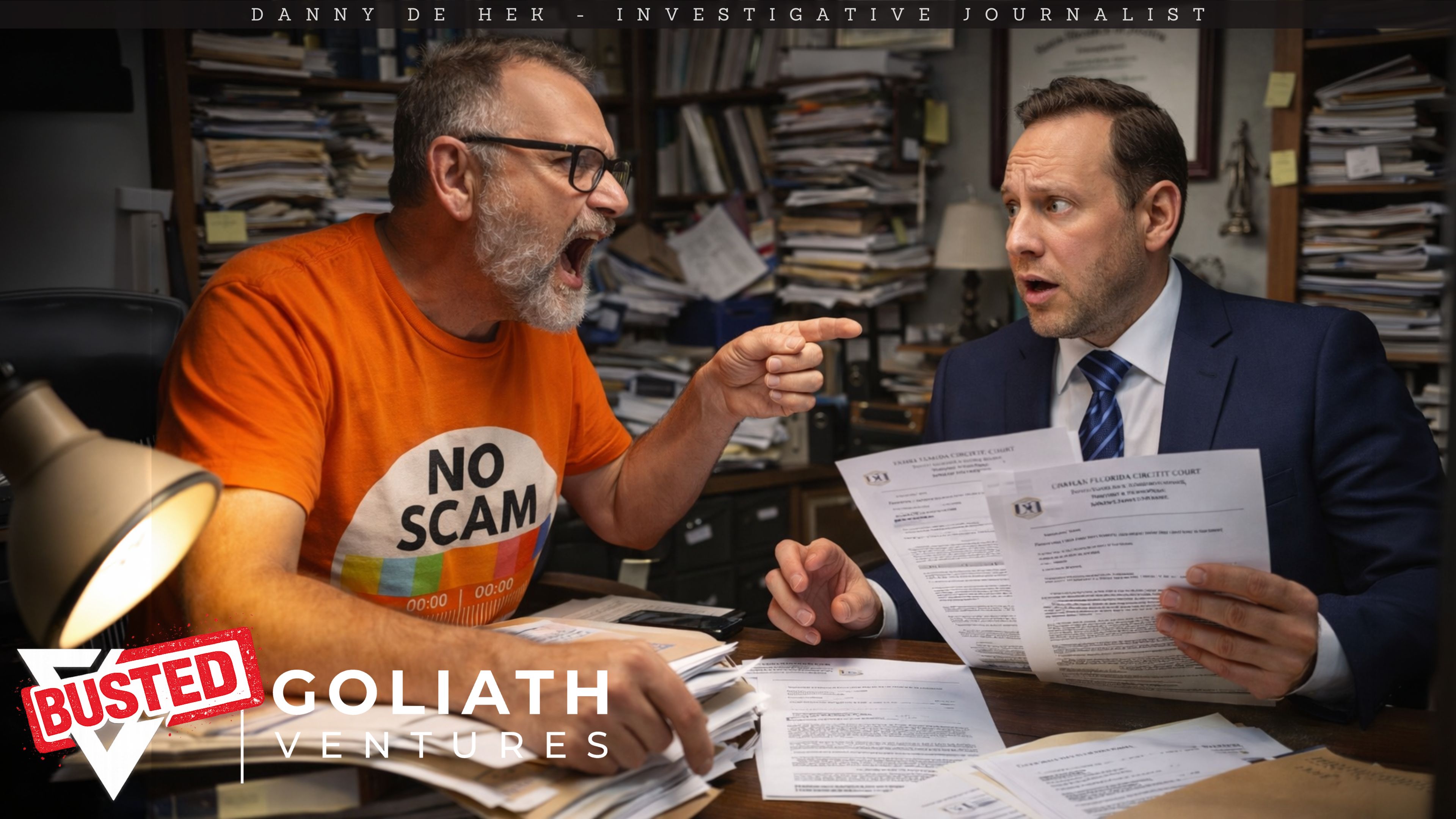
The original takedown was due to a privacy complaint — one of more than 50 such reports filed by or on behalf of Shavez. For months, he’s been using YouTube’s privacy system as a bludgeon to suppress the truth. In most cases, we successfully defended the complaints. But this video? They got it removed.
Twice.
What Did We Do?
We fought back.
We submitted a detailed appeal citing:
- The public interest of exposing financial deception
- Fair use doctrine, as the video critiques public claims
- Platform policy alignment under YouTube’s own journalistic and educational content standards
- Shavez’s public record and the lack of any genuine expectation of privacy
We even referenced:
- The FMA Warning issued in New Zealand
- The Bloomberg Exposé with Visa’s official denial
- Our blog: Shavez Ahmed Siddiqui Exposed
And guess what? YouTube reinstated the video. Here was their official reply:
“We have reviewed the complaint and have determined that the content is excepted from removal based on our privacy guidelines… The content does not violate our policies and will remain on the site.”
Victory.
A Message to Other YouTubers Fighting the Same Battle
If you’re exposing scams, cults, or criminals — don’t give up when content is removed. Most platforms won’t understand the context until you spell it out clearly, referencing their own policies, public interest, and the fact that scammers are abusing takedown systems to hide.
And document everything. When one video gets taken down, we upload the same content as:
- A livestream on multiple platforms (YouTube, LinkedIn, Rumble, Kick, Twitch, X)
- A podcast on 18+ streaming services (Spotify, iTunes, Amazon)
- A full blog post for search indexing
This is about digital resilience. When they try to burn down one branch, you plant five more.
I currently have Over 2,000 Videos on my YouTube channel. I’ve had plenty taken down — but until now, never once reinstated upon appeal. Not a single one. I’ve spent hours crafting responses, referencing laws, platform guidelines, and pledging to defend the content in Federal Court if necessary. And this time? YouTube listened.
Maybe it’s because I’m now a recognized journalist. Maybe it’s because my site is protected by Google’s Project Shield. Maybe it’s just persistence. But something has changed — and that change means more of us have a voice.
Why This Victory Matters
This isn’t just about Shavez. It’s about protecting your right to warn others. When someone tries to Sue You For $300,000 claiming your video gave them a stroke, you know you’re hitting a nerve. When that same person is caught smoking on camera while pitching a fake trading scheme, it’s not bullying — it’s evidence.
Boomerang was a fake arbitrage trading platform where they sold licenses for $500, promising people they could earn $1,500 a day. When the platform collapsed, they issued refunds in worthless BTCC tokens — but you could only use 40% of your BTCC toward buying a new scheme, the rest had to be fresh USDT. That “new” scheme? Boomerang 2.0 — also known as Protocol Yield, which Shavez falsely claimed was developed by his team. In reality, it’s a white-label platform from Zigchain.
He just keeps lying to his own community, and they keep trusting him.
The platforms need to see these cases for what they are: scammers exploiting moderation systems to protect their crimes.
Government Warnings You Need to Know
Here are the official government warnings issued against Shavez Ahmed Siddiqui’s associated scams:
- New Zealand FMA warning – Boomerang Trade (Boomerang) – Offering financial services without registration
https://www.fma.govt.nz/library/unregistered-businesses/boomerang-trade/ - New Zealand FMA warning – We Are All Satoshi (WAAS) – Offering financial services without registration
https://www.fma.govt.nz/library/unregistered-businesses/we-are-all-satoshi/ - New Zealand FMA warning – Lquid Finance T/A Lquid Pay – Suspected scam, false compliance claims, unregistered provider
https://www.fma.govt.nz/library/warnings-and-alerts/lquid-finance-ta-lquid-pay/ - Australian Securities & Investments Commission (ASIC) – It does not hold an Australian financial services licence or Australian credit licence from ASIC
https://moneysmart.gov.au/check-and-report-scams/investor-alert-list#!boomerang-boomerang-trade-and-boomerang-dev–1666 - California DFPI – Desist and Refrain Order against WAAS
https://dfpi.ca.gov/enforcement_action/we-are-all-satoshi-weareallsatoshi-org/
These are not vague concerns or conspiracy theories—these are black-and-white facts backed by regulators.
Final Thoughts
To the YouTube Legal Team: thank you for getting this one right. Your decision to reinstate this video will help countless others who search for Shavez’s name and wonder if they should trust him.
And to the Avengers out there who are fighting to keep their warnings online: learn from this. Reference the Bloomberg video. Point to the FMA warning. Link to blog evidence. Show that you’re not just uploading drama — you’re documenting the truth.
Because in the end, truth wins.
About the Author
I’m DANNY DE HEK, a New Zealand–based YouTuber, investigative journalist, and OSINT researcher. I name and shame individuals promoting or marketing fraudulent schemes through my YOUTUBE CHANNEL. Every video I produce exposes the people behind scams, Ponzi schemes, and MLM frauds — holding them accountable in public.
My PODCAST is an extension of that work. It’s distributed across 18 major platforms — including Apple Podcasts, Spotify, Amazon Music, YouTube, and iHeartRadio — so when scammers try to hide, my content follows them everywhere. If you prefer listening to my investigations instead of watching, you’ll find them on every major podcast service.
You can BOOK ME for private consultations or SPEAKING ENGAGEMENTS, where I share first-hand experience from years of exposing large-scale fraud and helping victims recover.
“Stop losing your future to financial parasites. Subscribe. Expose. Protect.”
My work exposing crypto fraud has been featured in:
- Bloomberg Documentary (2025): A 20-minute exposé on Ponzi schemes and crypto card fraud
- News.com.au (2025): Profiled as one of the leading scam-busters in Australasia
- OpIndia (2025): Cited for uncovering Pakistani software houses linked to drug trafficking, visa scams, and global financial fraud
- The Press / Stuff.co.nz (2023): Successfully defeated $3.85M gag lawsuit; court ruled it was a vexatious attempt to silence whistleblowing
- The Guardian Australia (2023): National warning on crypto MLMs affecting Aussie families
- ABC News Australia (2023): Investigation into Blockchain Global and its collapse
- The New York Times (2022): A full two-page feature on dismantling HyperVerse and its global network
- Radio New Zealand (2022): “The Kiwi YouTuber Taking Down Crypto Scammers From His Christchurch Home”
- Otago Daily Times (2022): A profile on my investigative work and the impact of crypto fraud in New Zealand

Leave A Comment