


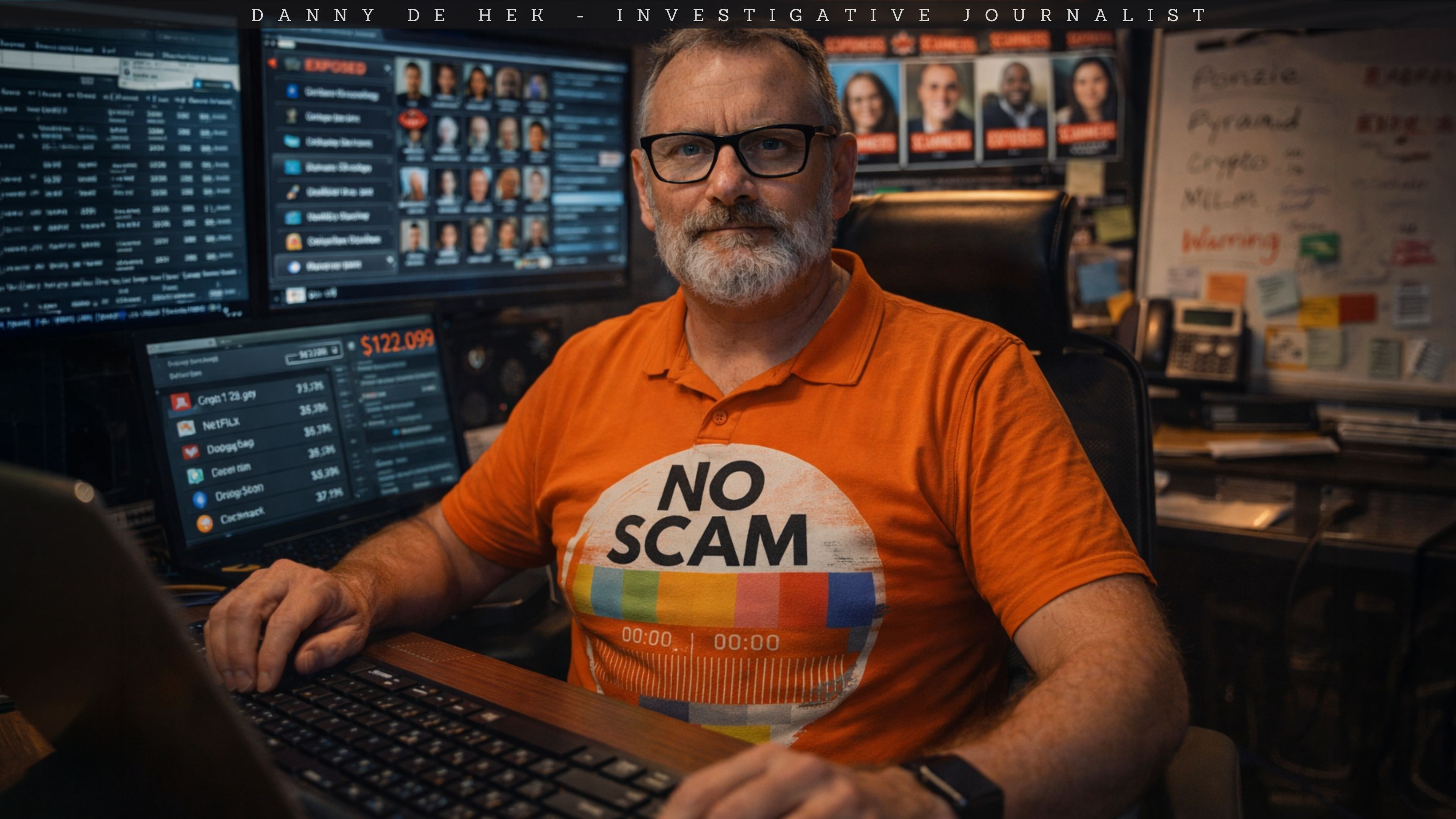
Over the last few years, I’ve noticed something that genuinely bothers me every time I open my credit card statement. Almost everything I use now has turned into a subscription.
It feels like every piece of software, every service, every platform wants a monthly payment. Individually they may not seem expensive, but together they slowly build into something that feels overwhelming.
This whole train of thought started recently when I saw Apple promoting what looked like a subscription version of Final Cut Pro. I bought Final Cut Pro years ago with the understanding that it was a one-time purchase. My expectation was simple: buy the software once, and Apple would continue improving it over time.
That used to be the model.
Now it feels like every company is experimenting with ways to turn software into a monthly revenue stream.
The Changing Nature of “Lifetime Licenses”
I’m not completely against paying for software. Developers deserve to get paid for their work, especially when they are actively improving the product.
For example, I use BBEdit, which I’ve had for years. It originally came with a lifetime license, but after about ten versions they eventually released Version 16 and required users to purchase the upgrade again. To be fair, BBEdit is an excellent piece of software and part of my daily toolkit. I use it all the time, so paying again felt reasonable because the product has continued to evolve.
But the frustration comes when you’re paying continuously and the software doesn’t really improve.
Paying for Software That Barely Changes
One example for me is Airmail, which I use for email. It costs about $15 per year, which is not expensive. But the reality is that the software barely changes. When updates are rare or insignificant, you start asking yourself a simple question:
Why am I still paying for this?
Then there are tools that I genuinely love, but the cost still adds up.
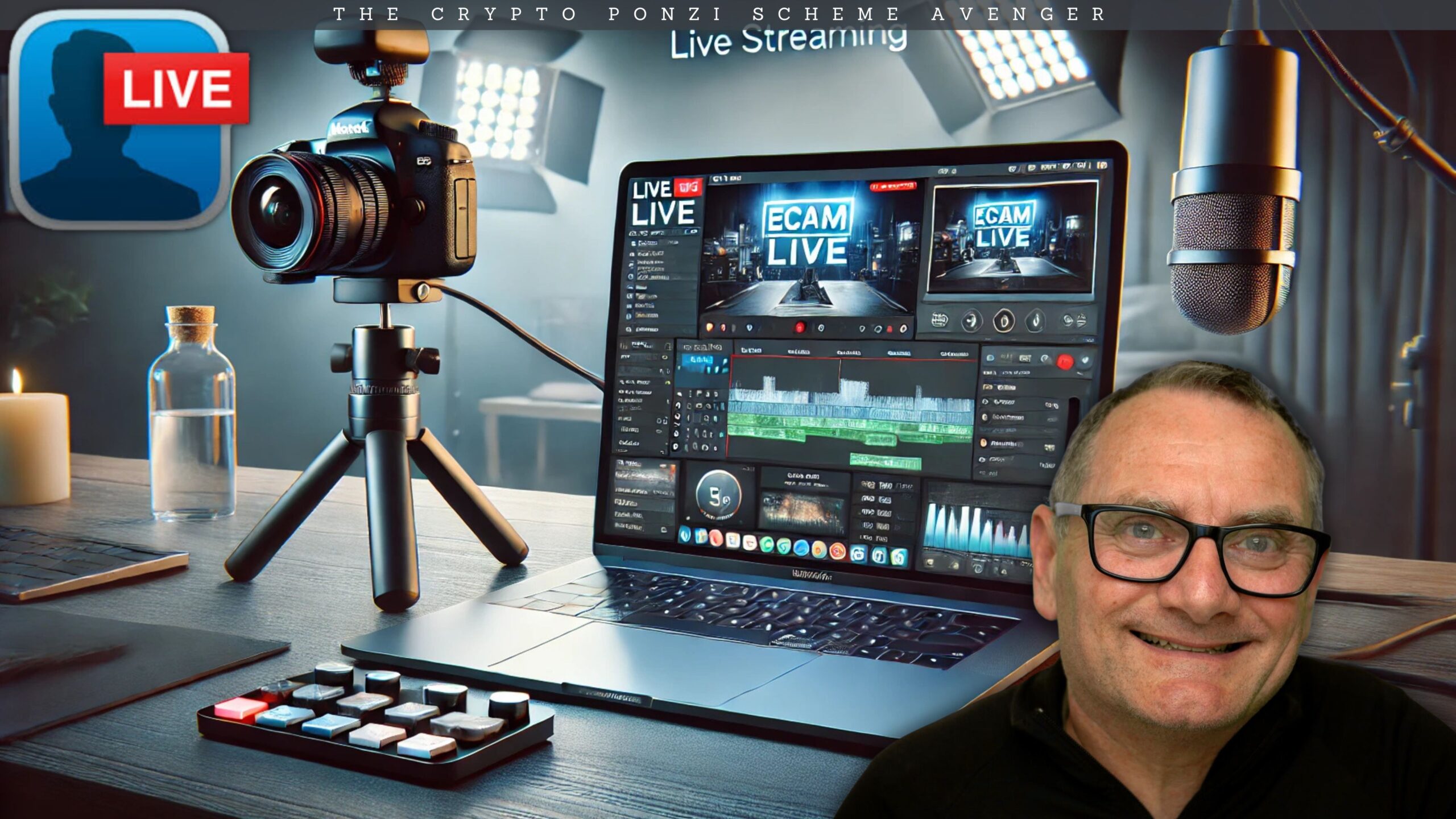
For example, I use Ecamm Live for my YouTube streams. It’s an incredible piece of software and works beautifully with the Mac ecosystem. But it now costs around $65 per month. That’s not pocket change.
Recently I also started paying for Grok, out of curiosity more than anything else. But if I’m honest with myself, I still believe ChatGPT is the better tool. Yet somehow these subscriptions creep in because they are just one click away.
And once you’ve clicked that button, the charge quietly appears every month.
Adobe and the Subscription Era
Then there’s Adobe Photoshop, a program I’ve used for years and one that remains the industry standard for professional image editing. Photographers, designers, and marketers rely on it for everything from colour correction to complex graphic design.
For me personally, Photoshop is still the best tool for fixing images when something isn’t quite right. If an object needs to be removed from a photo, Photoshop can usually handle it better than anything else I’ve tried. If an image isn’t the right dimensions for a website or thumbnail, I can often extend the background and rebuild parts of the image so it fits properly. It’s also excellent for removing backgrounds, which is something I do quite often when creating graphics.
Adobe moved to a subscription model some time ago, meaning you no longer buy the software outright — you essentially rent it every month through Creative Cloud. To Adobe’s credit, Photoshop is still an incredibly powerful tool and continues to evolve.
Each year Adobe releases what they describe as a major update. Sometimes those improvements are meaningful, but other times it feels more like a cosmetic refresh than a genuine leap forward.
More recently the focus has shifted heavily toward AI-powered features. Tools like Generative Fill allow you to type instructions and have Photoshop automatically create or modify parts of an image. When it works well it’s impressive, but like most AI tools today, the results can still be inconsistent and often require manual correction.
So while Photoshop remains an essential tool in my workflow, it also represents something else — another example of how even the software we rely on most has slowly become yet another monthly subscription.
The Tool I Use the Most: Canva
Ironically, the software I probably use the most these days is Canva.
Canva is fantastic and has become my go-to tool for creating thumbnails for my YouTube videos and graphics for my blogs. What I like about it is how quickly you can pull things together. I can easily find graphics or royalty-free images without having to spend time hunting around the internet, and simple design features like adding shadows behind text, resizing layouts, or adjusting colours can be done in seconds.
Another feature I use regularly is the ability to remove backgrounds from logos or images, which allows me to layer elements on top of each other when creating thumbnails. Quite often I’ll start by generating the base image using ChatGPT, and then I’ll move into Canva to finish the job — adding text, positioning logos, and polishing the design.
One thing Canva does really well is keeping everything organised. It effectively becomes a library of graphics and thumbnails, which means when I’m creating the next image in a series of scams that I may be exposing, I can quickly refer back to previous designs and keep the look consistent.
Even with all that convenience, there are still moments where I have to jump back into Photoshop for more advanced editing.
Which means, of course… I end up paying for both.
One Tool I Would Happily Pay For: Milanote
There is actually one piece of software I use almost every day that I didn’t mention earlier, mainly because I don’t currently pay for it. It’s called Milanote.
Originally I used Trello to organise projects like my business networking groups, but Milanote works in a completely different way. It’s more like a large visual whiteboard where you can pin notes, images, links, and ideas together almost like building a storyboard. For someone like me who is dyslexic, that visual way of organising information works extremely well.
After I wrote about the software some time ago, the company — which is based in Australia, just over the ditch from New Zealand — kindly reached out and offered me a free premium account.
Today Milanote has become a central tool in my investigations into Ponzi schemes and scams. I’ve built a database inside it where I track connections between people involved in these schemes. At the moment I have profiles on more than 800 individuals who I believe are running or promoting various scams. The visual layout makes it much easier to map relationships, organise evidence, and share certain boards with trusted people who may also be investigating.
Ironically, the reason I didn’t mention Milanote earlier in my reflections about subscriptions is simply because I don’t currently pay for it.
But if that ever changed, I would happily pay for Milanote. It’s one of those rare tools that genuinely improves my workflow and has become a valuable part of my scam-fighting career.
The Growing List of Monthly Costs
Some of these services charge monthly subscriptions, while others are billed yearly, but when you actually sit down with a calculator you quickly realise how fast it all adds up. Individually the costs don’t seem too bad, but when combined they can quietly become a significant expense.
It’s usually not until the end of the financial year, when my accountant prepares the books, that the reality really hits me. Seeing the total amount spent on subscriptions over twelve months can be quite eye-opening, and that’s normally the moment I start asking myself a simple question:
Which of these could I actually live without?
When I stop and think about it, the list of services many of us subscribe to is surprisingly long. For many people it includes things like Google Workspace for professional email, Dropbox for sharing large files, and Apple iCloud for storing photos and backups across devices.
Then there are tools people rely on for work, such as Zoom for video conferencing, FileZilla Pro for managing website files, or website hosting services like Kinsta that keep sites running online. If you run an online store, there’s also Shopify, which powers many e-commerce businesses.
And of course there are the entertainment services that have become part of everyday life — Netflix, Spotify, and countless others.
When I open my credit card statement each month and scroll through the charges, I often catch myself thinking the same thing:
Which one of these subscriptions could I cancel and still function perfectly fine without it?
The Hidden Cost of Convenience
Subscriptions are dangerous because they feel inexpensive in the moment.
Ten dollars here.
Fifteen dollars there.
Twenty dollars somewhere else.
Individually, none of those amounts seem like a big deal, which makes it incredibly easy to justify clicking the “subscribe” button without thinking too much about it.
But when you add them all together, the reality can be quite different. Before long you might find yourself spending hundreds of dollars every month on services you barely think about anymore.
The truth is, the system is designed to be effortless.
Most subscriptions renew automatically. There’s no reminder, no decision to make each month — the payment simply goes through in the background. Because the process is so frictionless, many people continue paying for services long after they’ve stopped using them regularly.
It’s not necessarily malicious, but it is part of a modern business model built around recurring revenue. Companies know that once a subscription becomes part of someone’s routine expenses, it often continues quietly for months or even years.
And that’s where the real cost of convenience begins to show.
The Bigger Question: What Do We Actually Need?
This whole experience has made me step back and ask a bigger question.
What are the real necessities of life?
Food.
Shelter.
Health.
And perhaps most importantly, meaningful relationships with other people.
Sometimes the reality of how normal subscriptions have become really hits you during everyday conversations. You might be chatting with a friend who tells you about a service they subscribe to and how they “couldn’t live without it.”
I see this a lot in the running community, especially through events like parkrun. Many runners I talk to happily pay for Strava because they love tracking their runs, analysing their performance, and sharing results with friends. It’s a great tool and clearly adds value for them.
But moments like that also highlight something interesting: we’ve all become part of the subscription culture.
Whether it’s fitness apps, streaming services, cloud storage, or software tools, these small monthly payments have quietly become part of everyday life. And while many of them are genuinely useful, it’s still worth stopping occasionally and asking ourselves a simple question:
Do we really need all of them?
Meaningful relationships.
Real conversations.
Friendships.
Laughter.
Sometimes I wonder whether all these subscriptions and tools fall into the category of materialism, or whether they are actually productivity tools that genuinely help us do things better.
Personally, I’m a big believer that if a tool helps me work faster or more efficiently, it can absolutely be worth paying for. Time is valuable, and if a piece of software saves hours of effort, the subscription can justify itself pretty quickly.
But that raises another question: what are we saving that time for?
Most of us work incredibly hard. We build businesses, maintain systems, answer emails, manage projects, and try to stay productive. We work constantly, almost like beavers building a dam, always adding another piece to the structure.
Eventually we stop and relax. Ideally that time is spent with friends, family, and the people who matter most.
Yet the world around us constantly encourages us to keep upgrading and buying the next thing that promises to improve our lives. It becomes easy to feel like we’re always chasing something newer, faster, or better.
That’s when it’s worth pausing and asking ourselves a simple question: are these things genuinely improving our lives, or have we slowly become caught in the cycle of commercial pressure and constant upgrades?
The Pressure to Keep Up
Trying to keep up with everything can sometimes feel exhausting.
It’s almost as if society has created an endless treadmill, where people feel the need to constantly keep up with everyone else. New technology appears, new services launch, and before long there’s another subscription or upgrade being marketed as something we simply must have. The pace never really seems to slow down.
The challenge is finding the right balance between productivity and simplicity. Many of the tools we use genuinely help us work faster and run our businesses more efficiently. In that sense, they can be incredibly valuable. But there’s also a point where commercialism starts to creep in, and we find ourselves buying or subscribing to things simply because they’re part of the culture around us.
When people begin stretching themselves financially just to maintain a certain lifestyle, the pressure starts to build. And when that pressure builds, people sometimes become vulnerable to promises of easy money or quick returns.
I often wonder whether this environment contributes to why so many scams continue to thrive.
When someone feels financially stretched, or believes they need to achieve a certain level of success quickly, the promise of fast money can suddenly sound very appealing. That’s exactly the environment where Ponzi schemes and investment scams flourish.
This is one of the reasons I spend so much time exposing these schemes. I’ve seen too many people lose retirement savings, family funds, and years of hard work chasing opportunities that were never legitimate in the first place.
At the end of the day, I’d much rather see people focus on building stable lives, strong relationships, and realistic goals, rather than constantly feeling pressured to chase the next promise of success.
A Simpler Way Forward
Perhaps the real solution isn’t adding more subscriptions or chasing every new piece of technology that appears.
Perhaps the real solution is simplicity and awareness.
Technology can absolutely improve our lives. Many of the tools I use help me work faster, communicate more effectively, and run my projects more smoothly. But that doesn’t mean every new service deserves a place on our credit card statement.
Sometimes it’s worth pausing and asking a simple question: does this genuinely improve my life, or has it just become another automatic payment?
Finding balance might mean using the tools that truly help us, while being more selective about the ones we don’t really need.
It might also mean spending less time staring at screens and more time doing things that actually recharge us — whether that’s exercising, spending time outdoors, or simply having meaningful conversations with the people around us.
In a world that constantly encourages us to buy, upgrade, and subscribe, choosing simplicity can actually feel quite refreshing.
Because at the end of the day, success shouldn’t be measured by how many services we pay for each month.
It should be measured by how well we live and the strength of the relationships we build along the way.
A Question for You
This whole reflection has made me think more carefully about my own habits.
Every time I review my accounts, I’m reminded how easy it is to accumulate subscriptions without really noticing. One or two useful tools slowly turn into a long list of recurring payments.
So I’m curious.
What subscriptions are you paying for every month?
More importantly, when you look at that list honestly, which ones genuinely add value to your life — and which ones could probably disappear without making much difference at all?
About the Author
I’m DANNY DE HEK, a New Zealand–based YouTuber, investigative journalist, and OSINT researcher. I name and shame individuals promoting or marketing fraudulent schemes through my YOUTUBE CHANNEL. Every video I produce exposes the people behind scams, Ponzi schemes, and MLM frauds — holding them accountable in public.
My PODCAST is an extension of that work. It’s distributed across 18 major platforms — including Apple Podcasts, Spotify, Amazon Music, YouTube, and iHeartRadio — so when scammers try to hide, my content follows them everywhere. If you prefer listening to my investigations instead of watching, you’ll find them on every major podcast service.
You can BOOK ME for private consultations or SPEAKING ENGAGEMENTS, where I share first-hand experience from years of exposing large-scale fraud and helping victims recover.
“Stop losing your future to financial parasites. Subscribe. Expose. Protect.”
My work exposing crypto fraud has been featured in:
- Bloomberg Documentary (2025): A 20-minute exposé on Ponzi schemes and crypto card fraud
- News.com.au (2025): Profiled as one of the leading scam-busters in Australasia
- OpIndia (2025): Cited for uncovering Pakistani software houses linked to drug trafficking, visa scams, and global financial fraud
- The Press / Stuff.co.nz (2023): Successfully defeated $3.85M gag lawsuit; court ruled it was a vexatious attempt to silence whistleblowing
- The Guardian Australia (2023): National warning on crypto MLMs affecting Aussie families
- ABC News Australia (2023): Investigation into Blockchain Global and its collapse
- The New York Times (2022): A full two-page feature on dismantling HyperVerse and its global network
- Radio New Zealand (2022): “The Kiwi YouTuber Taking Down Crypto Scammers From His Christchurch Home”
- Otago Daily Times (2022): A profile on my investigative work and the impact of crypto fraud in New Zealand



Leave A Comment