



On September 14, 2025, Business for Home published a Glowing Profile of Ivan Martinec‘s rapid rise in Zinzino, celebrating his move from “Blue Diamond” in Valentus Global to “Royal Ambassador” in record time. The piece is filled with familiar MLM tropes: international expansion, hundreds of rank promotions, thousands of “customers,” and luxury incentive trips to Greece and Bali.
For those who’ve studied the MLM model, this isn’t a story of grassroots entrepreneurship — it’s a case study in how the industry markets itself through outlier success stories while hiding the statistical reality for the vast majority of participants.
Company Deep Dive
Zinzino is a multi-level marketing (MLM) company that was founded in 2005, with its main headquarters in Gothenburg, Sweden. The MLM was founded by Norwegian entrepreneurs Hilde Rismyhr Sæle and Ørjan Sæle. The couple were already experienced in direct sales before launching Zinzino.
They sell what they refer to as “test-based wellness” products. The company operates in 40+ countries, including Canada and the U.S. It is also a publicly traded company on Nasdaq First North (Stockholm).
Zinzino positions itself as a wellness company, offering products such as:
- Omega-3 balance tests and supplements
- Polyphenol-rich oils
- Immune support and weight management products
The marketing hook is that customers can take a blood test, receive a “balance score,” and then use Zinzino’s supplements to improve it, a model that blends health claims with product dependency.
The Public Image
On September 14, 2025, Business for Home published a glowing profile of Ivan Martinec, celebrating his leap from “Blue Diamond” in Valentus Global to “Royal Ambassador” in Zinzino.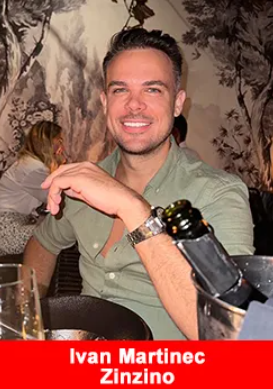
The article painted a picture of:
- Rapid rank advancement
- International team growth
- Hundreds of rank promotions under his leadership
- Thousands of customers in record time
- Luxury incentive trips to Greece and Bali
This article celebrated Martinec’s “Success Unity” philosophy and his ability to integrate “elite leaders” from other MLMs into Zinzino. But here’s the problem: none of this coverage included the hard numbers that show what life is like for the average Zinzino distributor.
The Mechanics Behind the “Success”
As I stated, the article praises Martinec for integrating “elite leaders” from other MLMs into his Zinzino team. This is network migration which is when high-ranking distributors jump companies and bring their downlines with them.
From the outside, it looks like explosive growth. In reality:
- It’s not organic retail expansion — it’s reshuffling existing MLM participants.
- “Customers” are often distributors buying product to stay commission-qualified.
- The surge is temporary — MLM attrition rates often exceed 50% annually.
Buying Up the MLM Graveyard
According to BehindMLM’s Investigation, since the cusp of the COVID-19 pandemic, Zinzino has been acquiring MLM companies at a rapid pace — especially in the last year.
Acquisitions since 2020 include:
- VMA Life (2020) — $700K cash + shares, later absorbed into Zinzino.
- Enhanzz Global (2022) — $1M (75% cash, 25% shares).
- ACN Europe (2024) — $1M in shares.
- Xelliss (2024) — €2M (50% cash, 50% shares).
- Zurvita (2024) — $9.4M (cash + shares) during bankruptcy.
- Valentus Global (2025) — $2M cash.
- Ecosystem (2025) — $575k (cash + shares).
- Truvy (LOI, 2025) — $4M in shares.
- Bode Pro (2025) — $2M (cash + shares).
Pattern:
- Many of these companies were struggling or collapsing.
- Purchase prices were relatively low, more like small local businesses than global giants.
- Deals often relied heavily on newly issued Zinzino shares, diluting existing shareholders.
Why This Matters for Distributors
For the average Zinzino distributor, this acquisition spree raises serious questions:
- Are these purchases about expanding retail demand, or just absorbing other MLM networks to keep recruitment flowing?
- If the MLM sector is shrinking globally, is Zinzino’s growth sustainable, or just a temporary boost from buying up failing competitors?
- With most participants earning under €300/year, who really benefits from these deals?
Why This Narrative is Harmful
Zinzino’s leader profiles and acquisition headlines create an image of unstoppable growth and opportunity. But when you look at the income disclosures, and the nature of the companies being acquired, a different picture emerges.
These profiles are not harmless puff pieces, they actively distort public perception:
- Survivorship bias — Only the rare top earners are showcased, while the silent majority who lose money are invisible.
- Lifestyle marketing — Trips, titles, and luxury imagery are presented as attainable for anyone “willing to work,” ignoring the structural math that makes widespread success impossible.
- Recruitment tool — These stories are circulated in team chats and opportunity meetings to entice new sign-ups, without disclosing the statistical odds of achieving similar results.
The Missing Data
The Business for Home profile omits critical facts:
- Average distributor earnings — Zinzino’s Own Disclosures show that the vast majority of “partners” earn little to nothing after expenses. In fact, over 90% of active partners earn less than €1,000/year in commissions. Median annual earnings are under €300 before expenses.
- Retail vs. internal sales — Without knowing how many customers are genuine retail buyers, it’s impossible to gauge real market demand.
- Attrition rates — High turnover means most recruits never see a profit before quitting.
The lifestyle portrayed in leader profiles is statistically unattainable for the overwhelming majority of participants.
The Industry-Wide Damage
When the MLM industry tolerates — or actively promotes — this kind of one-sided storytelling, it:
- Erodes trust — Regulators, consumer advocates, and the public see an industry unwilling to be transparent.
- Invites scrutiny — The gap between marketing claims and participant outcomes fuels calls for stricter laws.
- Perpetuates harm — Vulnerable people, especially women, single parents, and those in financial distress, are drawn in by the dream and left with debt, shame, and damaged relationships.
A Better Standard
If the MLM industry wanted to operate ethically, success stories would:
- Include full income disclosures alongside the profile.
- State the percentage of participants who reach the featured rank.
- Clarify how much of the “customer base” is actually made up of distributors.
Until that happens, these glossy features will remain a recruitment tactic — one that sells hope while hiding the statistical reality.
Final Word
The Business for Home profile of Ivan Martinec wasn’t just a feel-good success story — it was a carefully curated recruitment tool. By spotlighting one rare, high-earning distributor and omitting Zinzino’s own income disclosure data, it painted a picture of opportunity that is statistically out of reach for over 99% of participants.
When you layer in Zinzino’s aggressive acquisition spree — buying up struggling MLMs and absorbing their networks — the reality becomes even clearer: this is not a story of organic retail growth, but of network consolidation in a shrinking industry. The company’s public image of “unstoppable expansion” masks the fact that most of its distributors earn less than €300 a year before expenses, and that most will quit within 12 months.
Until the industry stops selling dreams without disclosing the odds, these glossy leader profiles will continue to lure in vulnerable people — people who deserve the truth about what they’re signing up for.
Zinzino’s numbers tell one story. The article told another. And it’s the gap between those two stories where the harm lives.
By Beth Gibbons (Queen of Karma)
Beth Gibbons, known publicly as Queen of Karma, is a whistleblower and anti-MLM advocate who shares her personal experiences of being manipulated and financially harmed by multi-level marketing schemes. She writes and speaks candidly about the emotional and psychological toll these so-called “business opportunities” take on vulnerable individuals, especially women. Beth positions herself as a survivor-turned-activist, exposing MLMs as commercial cults and highlighting the cult-like tactics used to recruit, control, and silence members.
She has contributed blogs and participated in video interviews under the name Queen of Karma, often blending personal storytelling with direct confrontation of scammy business models. Her work aligns closely with scam awareness efforts, and she’s part of a growing community of voices pushing back against MLM exploitation, gaslighting, and financial abuse.




Leave A Comment