


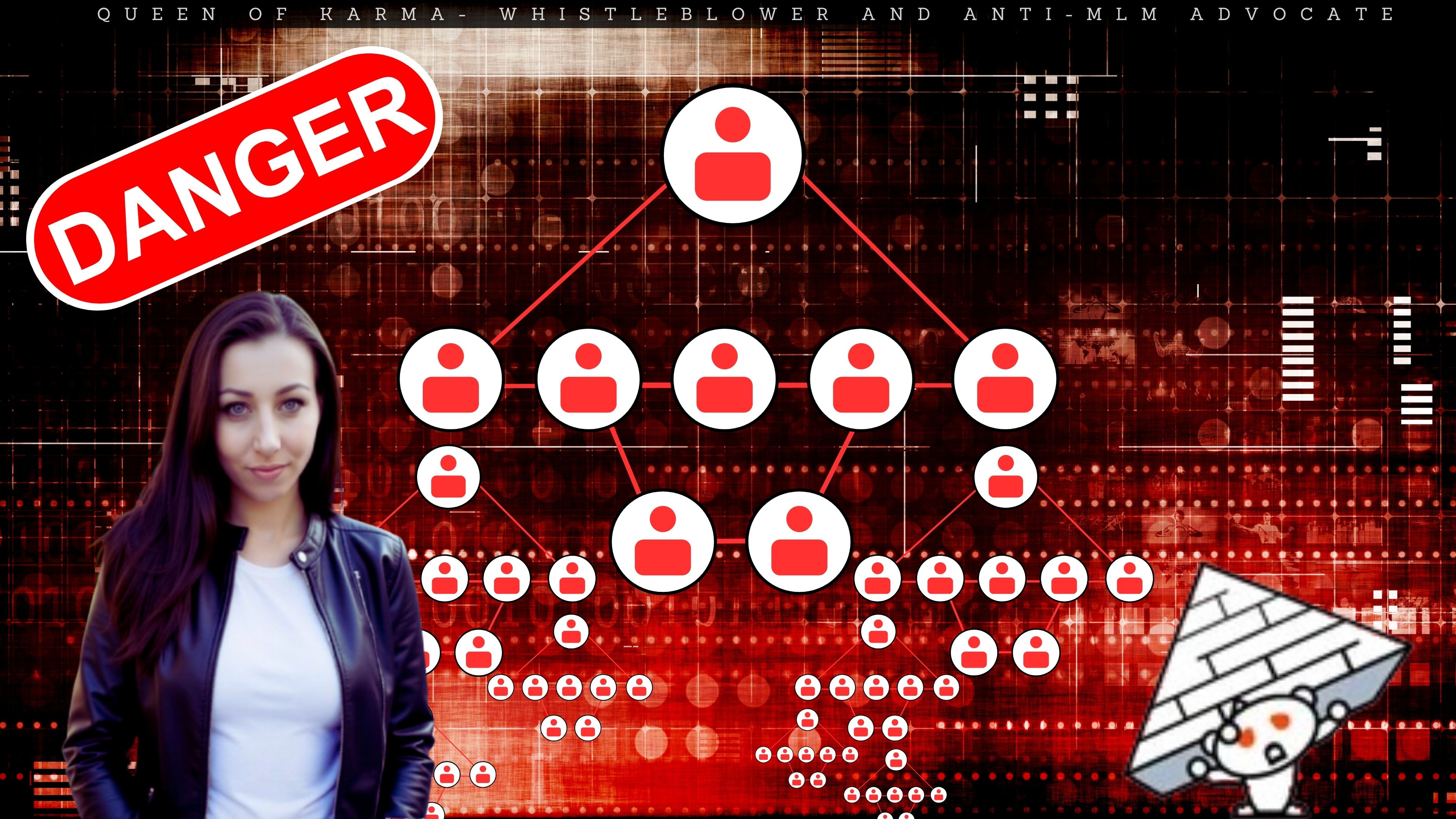
The MLM landscape in 2026 is shifting rapidly. Traditional product-based companies still exist, but the most dangerous entities emerging today are not selling shakes or skincare products — they are selling AI trading systems, crypto automation, financial “education,” and biohacking technologies that blur the line between wellness and medicine.
These companies often present themselves as innovative, modern, and technologically advanced. In reality, many rely on the same recruitment-driven structures and unverified claims that have historically led to financial loss, regulatory intervention, and large-scale collapses.
AI, Crypto, and Automated Trading MLMs
This is the most dangerous MLM sector in 2026. These companies promise passive income through AI-driven trading, crypto bots, or automated financial systems. Most provide no audited trading records, no third-party verification, and no evidence of external revenue. When withdrawals exceed deposits, these schemes typically collapse.
Key Warning Signs:
- Guaranteed or “predictable” returns
- No verifiable trading activity
- No retail product
- Recruitment-dependent compensation
- Withdrawal delays or limits
Examples:
- VYVO: Markets itself as an AI-driven health and data monetization platform. Heavy recruitment, vague revenue sources, and an emphasis on “data rewards” rather than tangible products.
- GS Partners: Continues to promote blockchain-based wealth systems despite widespread criticism from analysts. Frequently cited as a high-risk model due to its structure and claims.
- Multiple new AI trading pre-launches: Several unnamed platforms have appeared using identical language to collapsed schemes such as TAR Global — “AI bots,” “automated profits,” and “daily returns.”
This sector represents the highest collapse risk in the current MLM environment.
Financial Education, Credit Repair, and “Wealth Academy” MLMs
These companies position themselves as financial mentors, offering credit repair, tax strategies, or wealth-building education. Many operate without proper licensing or qualifications. Some mirror the structure of earlier companies that faced regulatory action for deceptive practices.
Key Warning Signs:
- Unlicensed credit repair
- Tax advice from unqualified representatives
- High monthly fees for generic information
- “Financial freedom” marketing
Examples:
- New “Wealth Academy” pre-launch groups: Several financial-education MLMs launched since 2025 use the same model as companies previously targeted by regulators.
- Crypto-education MLM hybrids: These combine financial coaching with crypto speculation — a combination that increases both financial and legal risk.
This category is dangerous because it can damage a person’s credit, tax standing, and financial stability, not just their bank account.
Biohacking, Hormone, and “AI Health Tech” MLMs
These companies use scientific-sounding language to promote products that claim to influence neurological function, hormones, cellular repair, or overall health. Many rely on unproven or exaggerated claims that can mislead consumers into delaying legitimate medical care.
Key Warning Signs:
- Claims to regulate hormones or neurological pathways
- “AI health scans” with no scientific validation
- Biohacking terminology used as marketing
- Medical-adjacent promises without clinical evidence
Examples:
- The Super Patch Company: Markets wearable patches with neurological benefits. Rapid expansion and bold claims have raised concerns among analysts.
- Neumi: Promotes wellness and skincare products with cellular-level claims that lack independent verification.
This category is dangerous because it can influence health decisions, not just financial ones.
Rebranded or Relaunched MLMs With Familiar Leadership
Many “new” MLMs in 2026 are not new at all. They are rebrands or relaunches created by individuals with a history of failed ventures, collapsed schemes, or regulatory scrutiny. These companies often appear after a previous project has lost momentum or faced legal issues.
Key Warning Signs:
- New name, identical compensation plan
- Leadership with a history of prior MLM failures
- “Pre-launch” status used to avoid scrutiny
- No clear corporate history or transparency
Examples:
- Victory With Ash: An “educational platform” created by Ashraf (Ash) Mufareh after his OnPassive venture was shut down by the SEC and he was sued for $108 million, eventually Settling.
- AI/crypto MLM relaunches: Several 2026 launches are operated by individuals previously involved in collapsed trading schemes.
- Travel and lifestyle MLM rebrands: Companies that struggled during the pandemic have resurfaced with new branding but unchanged business models.
This category is dangerous because past behavior is often the clearest indicator of future risk.
Membership-Based “Savings” or “Discount” MLMs
These companies sell memberships rather than products. Income is typically tied to recruitment rather than retail sales, placing them close to the structural definition of a pyramid scheme.
Key Warning Signs:
- No meaningful retail customer base
- Compensation tied to team size
- Low-value digital products
- “Everyone is a distributor” model
Examples:
- LiveGood: A low-cost membership model that relies heavily on recruitment and rapid scaling.
- New travel-discount MLMs: Several new companies have launched offering “exclusive travel savings” with no tangible product beyond the membership itself.
This category is dangerous because it depends almost entirely on constant recruitment, not legitimate sales.
MLMs Come and Go, Risks Remain Constant
The most dangerous MLMs of 2026 are not defined by their size or popularity, but by their claims, structures, and lack of transparency. Whether the pitch involves AI trading, crypto automation, financial coaching, biohacking, or a rebranded “ground-floor” opportunity, the underlying risks remain consistent.
When a company promises effortless income, futuristic technology, or guaranteed results, the safest assumption is that the risk is significant.
In an industry where collapses are common and accountability is rare, informed skepticism is not cynicism — it is protection.
By Beth Gibbons (Queen of Karma)
Beth Gibbons, known publicly as Queen of Karma, is a whistleblower and anti-MLM advocate who shares her personal experiences of being manipulated and financially harmed by multi-level marketing schemes. She writes and speaks candidly about the emotional and psychological toll these so-called “business opportunities” take on vulnerable individuals, especially women. Beth positions herself as a survivor-turned-activist, exposing MLMs as commercial cults and highlighting the cult-like tactics used to recruit, control, and silence members.
She has contributed blogs and participated in video interviews under the name Queen of Karma, often blending personal storytelling with direct confrontation of scammy business models. Her work aligns closely with scam awareness efforts, and she’s part of a growing community of voices pushing back against MLM exploitation, gaslighting, and financial abuse.




Leave A Comment