


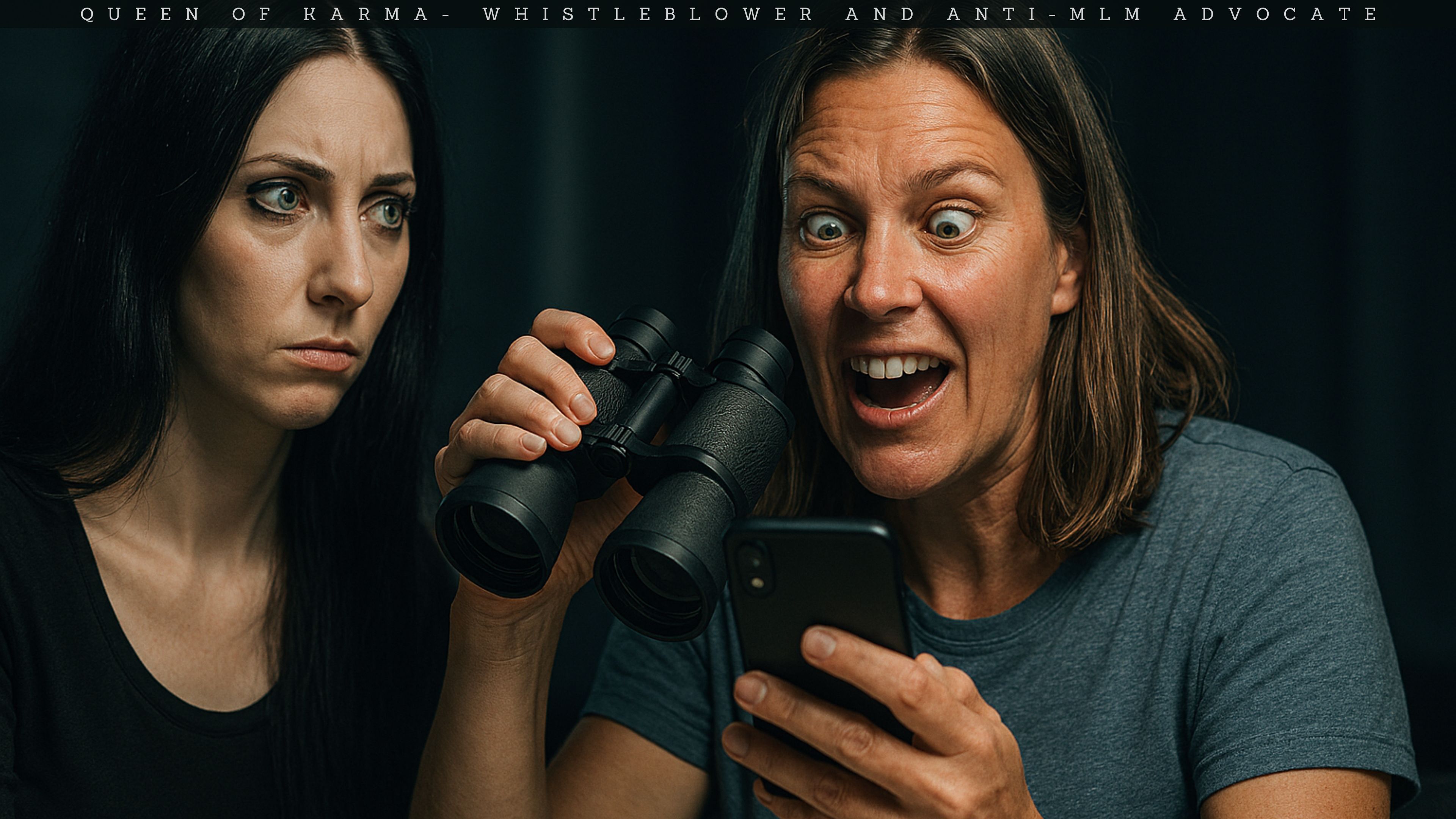
Kendra Hilty has gone viral for sharing a deeply personal, multi-part TikTok series about her romantic attachment to her psychiatrist. What’s unfolded since is part online soap opera, part cautionary tale about the unregulated coaching industry.
This is a story that’s about much more than one coach — it’s about the business model, the culture, and the risks lurking behind the personal brand.
Who is Kendra Hilty?
Kendra Hilty is a 36-year-old ADHD coach from Arizona and she runs a small practice she calls “Coaching & Clearing.” Her services promise to help clients improve self-esteem, time management, and habits in mind, body and relationships. She is not a licensed therapist and operates in the largely unregulated world of coaching, where the personal brand often is the product. Sessions are marketed via her social media and website, with bookings handled directly.
Her TikTok saga, now dozens of episodes long, recounts years of therapy sessions with her psychiatrist, allegations of blurred professional boundaries, and what she describes as “trauma bonding.” This “series” has attracted millions of views, over 100,000 new followers and fierce debate about whether she’s exposing exploitation in mental health care or simply building her platform on intimate drama.
The Price Tag Problem
Multiple archived listings and client reports indicate that Kendra charges several hundred U.S. dollars per hour for her coaching services. That’s a rate that would be considered expensive even for a licensed mental health professional with advanced credentials, insurance billing, and board oversight — and are higher than many coaching peers.
In coaching, rates are not tied to qualifications in the same way they are in regulated health care. Pricing can be driven by charisma, perceived exclusivity, or audience size. Without licensing requirements, there’s no official safeguard against overcharging, leaving it up to the client to assess value versus cost.
The Cult-like Criticism
Some critics accuse Kendra of operating her community in ways that mirror cult leadership — rewriting events to fit her narrative, exhibiting what they describe as “delusions of grandeur,” and fostering a personality-driven following that resists dissent.
As we’ve discussed, there is notable overlap between the multi-level marketing (MLM) industry and the coaching industry. Both can feature hierarchical structures, intense group loyalty, and reliance on personal storytelling to inspire buy-in. Those conditions can make cult-like themes more likely to appear, even unintentionally.
AI-Induced Psychosis Allegation
Some online commenters have speculated that Kendra’s behavior aligns with what they call “AI-induced psychosis.” While it’s not appropriate to diagnose from a distance, the idea that heavy interaction with AI chatbots can influence perceptions or emotional states is a growing discussion point. Technology-driven blurring of reality is a legitimate area of interest, one that’s important to explore without making unfounded personal claims.
However, Kendra is seen in several videos asking her AI chatbot, who she named Henry, if the psychiatrist is in love with her as well and the AI chatbot does seem to give into her delusions. So the speculation isn’t coming out of nowhere.
How to Avoid Getting Scammed by a Coach
If you’re considering hiring an ADHD coach — or any kind of coach — here are ways to safeguard your wallet and wellbeing:
- Research their background for verifiable training and independent reviews.
- Compare rates with similarly skilled professionals, including licensed therapists.
- Ask for specifics on what’s included, how results are measured, and refund policies.
- Avoid pressure tactics like limited-time offers or “exclusive” member groups.
- Trust your instincts — discomfort is a valid reason to walk away.
The Bigger Picture
Whether you see Kendra Hilty as a whistle-blower, a master marketer, or something in between, her rise underlines a truth about the modern coaching industry: stories sell. In an unregulated marketplace, vulnerability can be both a connection point and a commodity.
When personality is the product, it pays to remember that you’re not just buying service — you’re buying into someone’s world…and that world might not be built for your benefit.
By Beth Gibbons (Queen of Karma)
Beth Gibbons, known publicly as Queen of Karma, is a whistleblower and anti-MLM advocate who shares her personal experiences of being manipulated and financially harmed by multi-level marketing schemes. She writes and speaks candidly about the emotional and psychological toll these so-called “business opportunities” take on vulnerable individuals, especially women. Beth positions herself as a survivor-turned-activist, exposing MLMs as commercial cults and highlighting the cult-like tactics used to recruit, control, and silence members.
She has contributed blogs and participated in video interviews under the name Queen of Karma, often blending personal storytelling with direct confrontation of scammy business models. Her work aligns closely with scam awareness efforts, and she’s part of a growing community of voices pushing back against MLM exploitation, gaslighting, and financial abuse.



Leave A Comment