


For years, “bossbabe” culture has been marketed as a feminist awakening — a glossy, pastel-filtered revolution where women uplift each other, build businesses from their phones, and escape the drudgery of traditional employment. It promises freedom, flexibility, and financial independence. It promises sisterhood. It promises empowerment.
But the deeper you look, the more you realize that bossbabe culture is not a movement for liberation. It is a system — one that manipulates identity, exploits economic vulnerability, and conditions women to accept overwork as empowerment. It is a system that benefits corporations, governments, and in some cases, criminal networks far more than it benefits the women inside it.
This is not a fringe phenomenon. It is a sociological machine that has reshaped the way women understand ambition, labor, and self-worth…and its consequences reach far beyond Instagram aesthetics.
Bossbabe culture is not just misguided. It is dangerous.
How Bossbabe Culture Rewires Identity
Bossbabe culture works because it doesn’t simply sell a product — it sells a worldview. It asks women to adopt a new identity, one built on relentless optimism, constant productivity, and unwavering loyalty to the “sisterhood.” The language is intoxicating: “You’re meant for more.” “You’re a queen.” “You’re building your dream life.”
But beneath the affirmations lies a psychological architecture designed to override intuition and suppress critical thinking.
Women are taught that discomfort is growth, exhaustion is dedication, and doubt is negativity. They are encouraged to silence their inner voice — the one that senses something is off — and replace it with the collective voice of the group. This is classic identity manipulation. High-control groups have used the same tactics for decades: love-bombing, toxic positivity, emotional dependency, and the reframing of structural problems as personal failures.
Bossbabe culture doesn’t empower women to trust themselves. It trains them to trust the system.
Why Women Become the Target Market
Bossbabe culture emerged in a world where women face chronic economic instability, rising living costs, unaffordable childcare, and workplaces that still undervalue their labor. It emerged in a world where community has eroded, loneliness is widespread, and traditional support systems have collapsed.
Sociologically, women are primed for recruitment because they are already carrying the emotional labor of families, workplaces, and communities. We are conditioned to be agreeable, optimistic, and self-sacrificing. As women, we are taught to fix problems quietly and blame ourselves when things go wrong.
Bossbabe culture weaponizes these traits.
It offers community to the lonely, purpose to the undervalued, and financial hope to the economically strained. But the community is conditional, the purpose is tied to productivity, and the financial hope rarely materializes. Instead, women find themselves working harder than ever, earning less than ever, and blaming themselves more than ever.
This is not empowerment. It is exploitation disguised as opportunity.
Hustle Culture: The Ideology That Keeps Us Exhausted
Bossbabe culture is simply the feminine rebrand of hustle culture — the belief that constant productivity is moral virtue. It glorifies overwork, celebrates burnout, and reframes exhaustion as ambition. It teaches that rest is laziness, boundaries are selfish, and success is a matter of mindset rather than material conditions.
This ideology is not just harmful. It is politically convenient.
A population that believes burnout is empowerment is a population that won’t demand better working conditions. A population that internalizes failure as personal won’t question systemic inequality. A population that glorifies overwork won’t resist exploitation.
Governments and corporations benefit enormously from hustle culture. It keeps citizens compliant, exhausted, and too busy to challenge the status quo. Bossbabe culture introduces women to this ideology early, wrapping it in glitter and calling it feminism.
But feminism that demands women work themselves into the ground is not feminism at all.
When Empowerment Becomes a Business Model
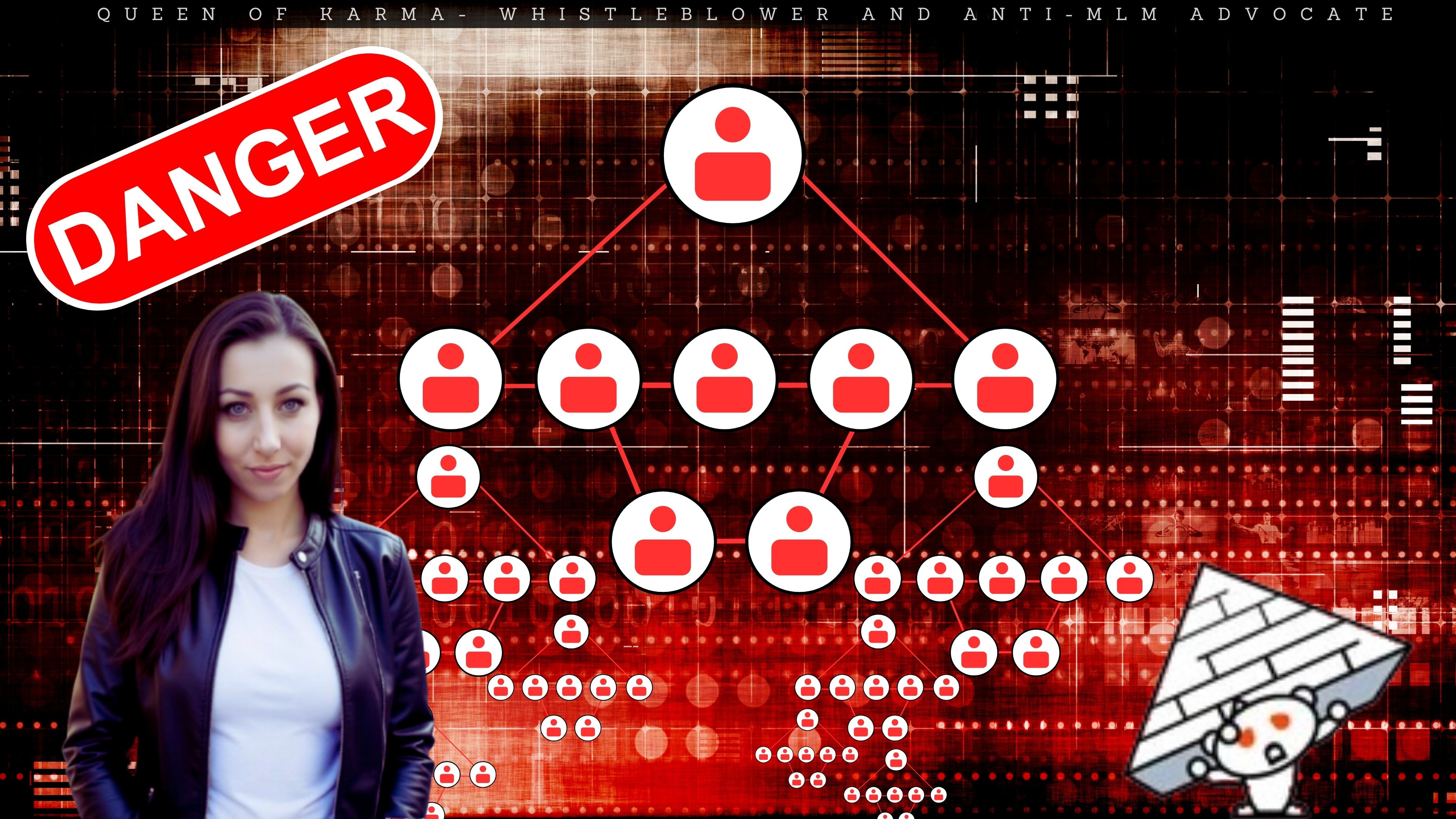
Bossbabe culture is not just a mindset — it is a recruitment funnel. MLMs rely on the exact psychological conditioning that bossbabe culture provides: blind optimism, loyalty to leadership, emotional labor, and the belief that success is purely a matter of mindset.
Women who internalize bossbabe messaging become ideal MLM recruits because they have already been taught to:
- ignore red flags
- trust charismatic leaders
- view community as currency
- accept unpaid labor as empowerment
- blame themselves for structural failures
MLMs then capitalize on this conditioning by offering “business opportunities,” that are anything but. The vast majority of participants lose money, yet the culture reframes this loss as a personal failing rather than a predictable outcome of a structurally exploitative model.
Bossbabe culture softens the ground. MLMs plant the seeds. Exploitation grows.
When Bossbabe Culture Intersects with Organized Harm
This is the part of the conversation that makes people uncomfortable — but it is also the part that matters most.
Not every MLM is tied to Trafficking or organized crime. But the structural vulnerabilities created by bossbabe culture makes women easier to exploit, and there are documented cases where MLM-style systems intersect with criminal networks.
OneCoin, led by Ruja Ignatova, used an MLM structure to run one of the largest financial frauds in history, with clear ties to organized crime. NXIVM used MLM-style recruitment and “female empowerment” branding to lure women into a system that involved coercion, blackmail, and sexual exploitation. In parts of Latin America, organized crime groups have infiltrated MLM networks to launder money and recruit vulnerable individuals. In India, authorities have repeatedly accused major MLMs of operating as criminal pyramid schemes.
Meanwhile, human trafficking networks around the world routinely use “work from home,” “be your own boss,” and “women empowering women” language to lure women into dangerous situations. The overlap in recruitment language is not accidental. It is strategic.
Bossbabe culture conditions women to trust strangers online, join private groups, attend unregulated events, and obey charismatic leaders. These are the same vulnerabilities traffickers exploit. When women are taught to ignore comfort, silence their intuition, and stay loyal no matter what, they become easier to manipulate — whether by an MLM upline or someone with far darker intentions.
This is not fear-mongering. It is pattern recognition, which I excel at.
The Anti-Women Reality Behind the Feminist Aesthetic
Bossbabe culture claims to be feminist, but it reinforces deeply patriarchal values: obedience, silence, self-sacrifice, and emotional labor. It tells women that their worth is tied to productivity, that their struggles are personal failures, and that their loyalty is more important than their wellbeing. It isolates women from real support systems and replaces them with conditional communities that evaporate the moment a woman stops producing.
This is not feminism. It is exploitation dressed up as empowerment.
Why Bossbabe Culture Is a Threat to Collective Wellbeing
Bossbabe culture is not harmless. It is not cute. It is not empowering. It is a sociological mechanism that keeps women overworked, underpaid, and emotionally manipulated while serving the interests of corporations, governments, and in some cases, criminal networks.
A society that glorifies overwork is a society that does not value human wellbeing. A society that teaches women to blame themselves for systemic failures is a society that will never change. And a society that allows exploitation to masquerade as empowerment is a society that is failing its most vulnerable members.
Bossbabe culture is not a movement for liberation. It is a system of control.
And the only way to dismantle it is to expose it — loudly, clearly, and without apology.
The next time you see someone end a post in “#bossbabe,” I hope you see it for what it truly is. Also, be sure to link them to this article!
By Beth Gibbons (Queen of Karma)
Beth Gibbons, known publicly as Queen of Karma, is a whistleblower and anti-MLM advocate who shares her personal experiences of being manipulated and financially harmed by multi-level marketing schemes. She writes and speaks candidly about the emotional and psychological toll these so-called “business opportunities” take on vulnerable individuals, especially women. Beth positions herself as a survivor-turned-activist, exposing MLMs as commercial cults and highlighting the cult-like tactics used to recruit, control, and silence members.
She has contributed blogs and participated in video interviews under the name Queen of Karma, often blending personal storytelling with direct confrontation of scammy business models. Her work aligns closely with scam awareness efforts, and she’s part of a growing community of voices pushing back against MLM exploitation, gaslighting, and financial abuse.

Leave A Comment