


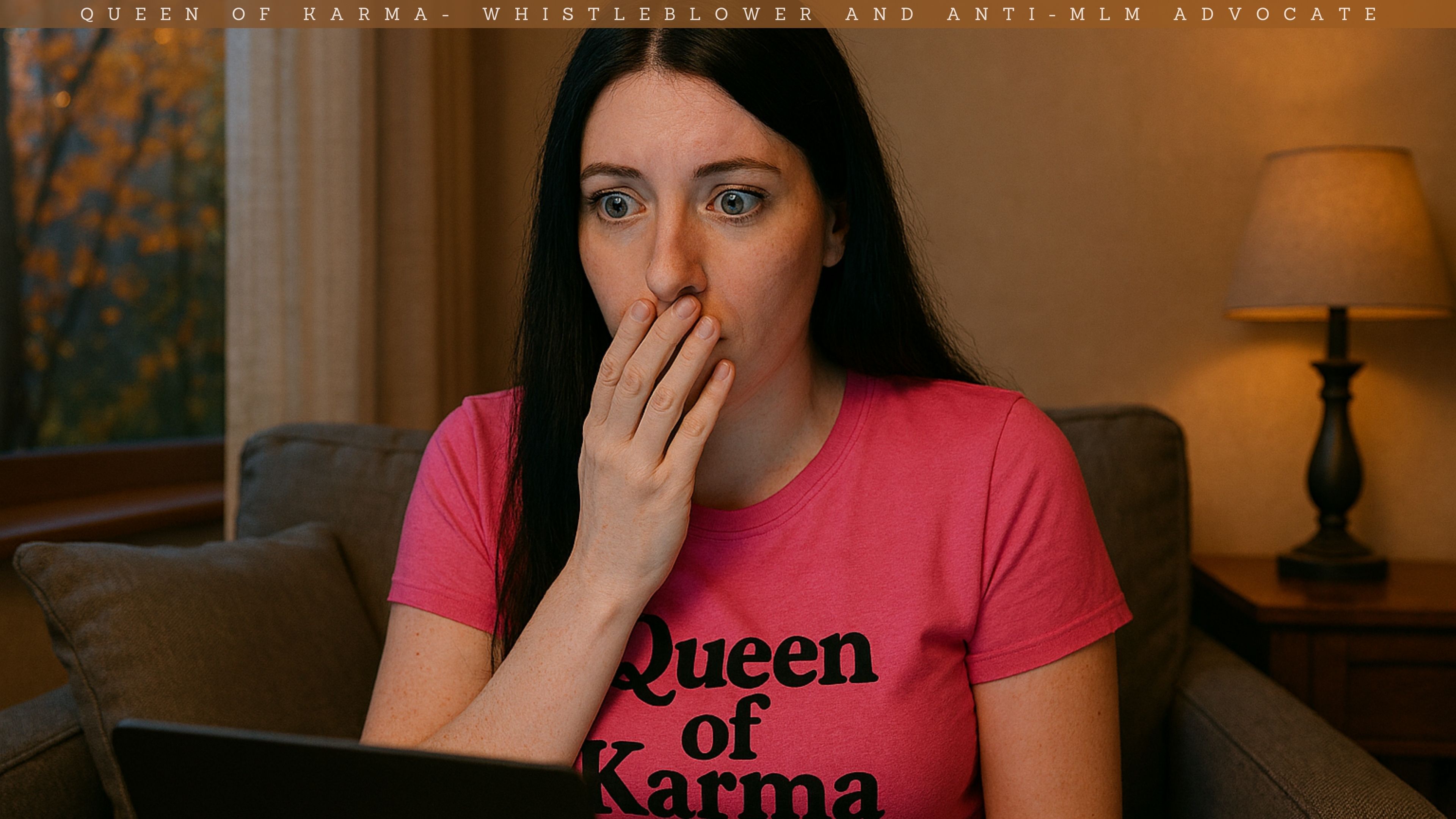
I’ve spent countless hours unpacking the messiest parts of my life alone in my living room — the kind of deep dives into memory and meaning that leave you staring at the wall long after the kettle’s gone cold.
What I didn’t realize was that those quiet, solitary moments were the start of a story worth telling out loud.
This is the story of how I grew up in faith, walked through control, and found my voice.
Growing Up in Faith
From the outside, my childhood looked devoted and purpose-driven. I was raised in an environment where belief wasn’t just a personal choice, it was the framework for every decision, relationship, and goal. Faith was everything.
But as I got older, I began to notice cracks in the foundation. Questions I asked were met with defensiveness or silence. Doubt wasn’t seen as a step toward deeper understanding…it was seen as dangerous.
I grew up Catholic which meant Sunday school, church choirs, and the looming milestone of Confirmation at 13, when you’re meant to devote yourself to God forever. (Forever is a long time when you’re still figuring out your favourite band.)
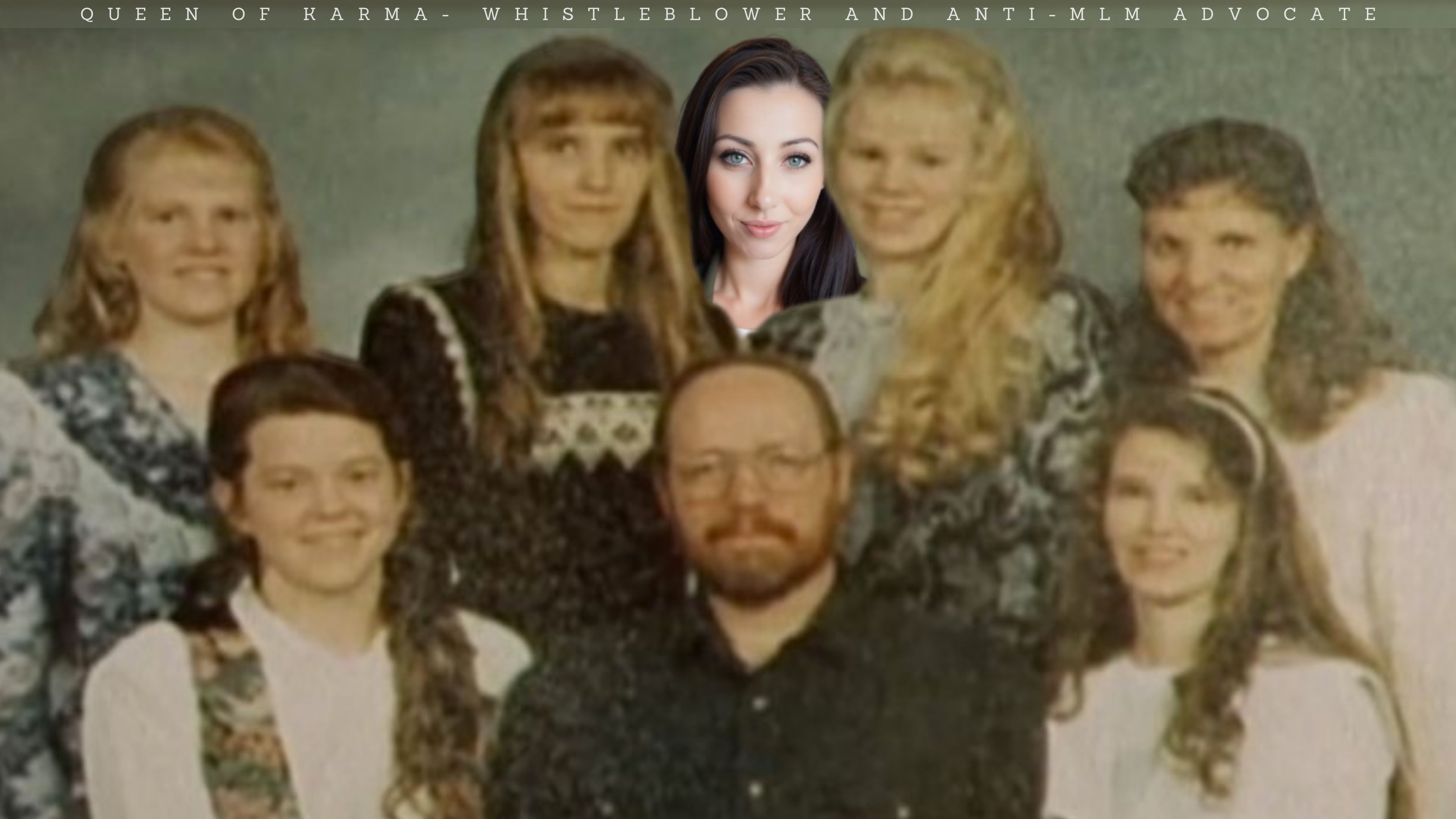
I was also a Girl Guide, which taught me that groups could be used for good — community, service, friendship. It wasn’t until much later that I learned groups could also be used for control.
I tried to be popular. The more I tried to fit in, the more I realized I was shrinking myself. My thoughts, my questions, my individuality all had to be filtered through what was acceptable.
This was more apparent when alcoholism and narcissistic abuse were introduced to me in my pre-teen years. Control, however, didn’t always look like someone shouting orders. Sometimes it was subtle such as a raised eyebrow, a change in tone, a reminder of what “good” people do. Over time, I learned to self-censor, to anticipate what others wanted before I even spoke. Sometimes, before they even spoke.
After my mother had some drama with the church choir (or at least that’s how I understood this as a child), we stopped attending that parish. In high school, I worked at a United Church Camp. It was progressive, inclusive, and — unlike my Catholic upbringing — openly accepting of LGBTQ+ people. It gave me a glimpse of religion without judgment, and for a while, I had a healthy relationship with faith.
The Spiritual Rabbit Hole
In college, I decided to “explore my spirituality” which, in the age of the internet, meant falling into online communities. Some were quirky, some were questionable, and one revolved around Teal Swan, a big name in the self-help/spiritual influencer space at the time.
From there, I was slowly pulled into the coaching/MLM world. By the time I was married and had become a mother in my mid-twenties, random people started asking me to “join my team!” MLM distributors really did prey on my vulnerabilities after I gave birth to my daughter. Around the same time, I began exploring atheism, watching YouTube creators unpack their religious backgrounds. I started doing the same but alone, in my living room, without yet realizing the high-control group parallels.
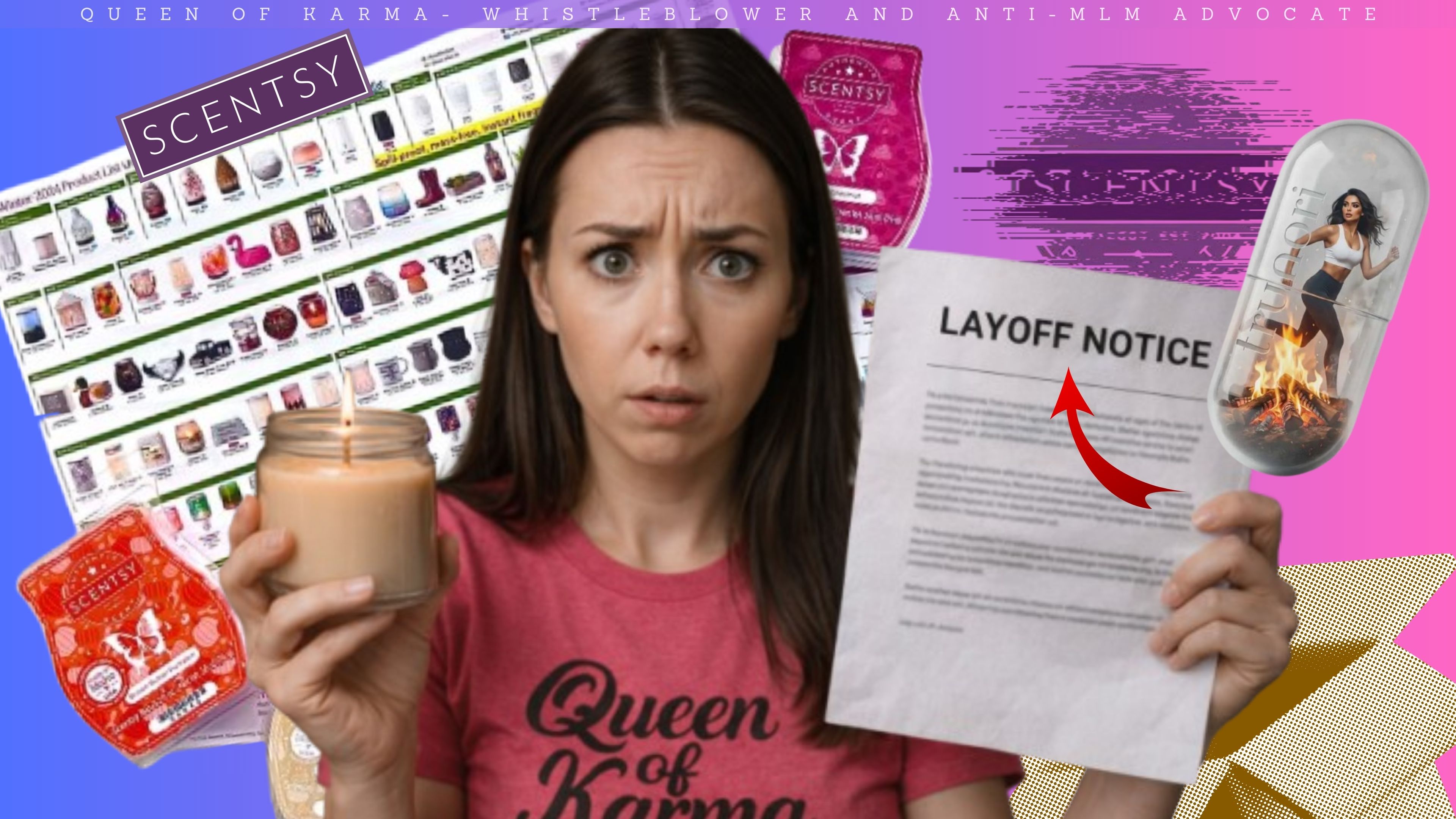
Then came ItWorks. Then Scentsy. I’ve told these stories in full on My Channel, but leaving those MLMs was a turning point. I recognized the same patterns I’d seen in my abusive relationship (which I left in 2013) and in leaving religion: love-bombing, control, guilt, shame, and the slow erosion of self.
Connecting the Dots
I didn’t just wake up one day ready to spill everything. It’s been a slow, deliberate peeling back of the onion. At first, it was just me in my living room unpacking years of beliefs, habits, and unspoken rules I’d absorbed without question. I began sharing small pieces of my story here and there, almost testing whether my voice could carry beyond those four walls.
Although there was an AntiMLM community growing on both Reddit and YouTube, not many people were talking about how leaving an MLM can trigger the same trauma responses as leaving an abusive relationship. Not many people were discussing how leaving a high-control religion could trigger the same. But I saw it. And I knew that I could add something to the conversation.
The honesty and clarity of those speaking out about MLMs and religion on YouTube at the time helped me see patterns I’d never noticed before: the subtle manipulations, the way hope and belonging were used as currency. Bit by bit, I connected the dots, and in doing so, I started to deprogram myself.
In October 2019, I launched my YouTube channel. I started with r/antiMLM reaction videos, then moved into multi-hour cult deep dives and reactions. For the past six years, I’ve been speaking from experience — not just as a survivor, but as someone who’s studied trauma, worked in mental health, and lived through multiple systems of coercive control. It was time to start peeling back the layers, out loud.
Owning My Part
I’m not here to pretend I’ve always been on the right side of this. I brought people to church and told them to believe. I promoted gurus who didn’t deserve trust. I asked friends and family to “join my team” more than once.
I’ve been diagnosed with CPTSD that I’ve suffered from since early childhood, and while I’m not ready to unpack all my early trauma publicly, I can say this: I’ve seen trauma, I’ve lived it, and I’ve helped others through it. I graduated from St. Lawrence College‘s Social Service Worker program in 2010 with awards and honours, and I’ve worked with people facing severe mental health challenges.
Leaving these toxic environments wasn’t just about walking away, it was about facing myself. I had to ask: Where had I allowed fear to make my choices? Where had I stayed silent when I should have spoken?
Owning my part meant acknowledging that while I couldn’t control the system I was adopted into, I could control how I respond to it. It meant forgiving myself for the times I didn’t know better, and committing to doing better now.
And recently, I uncovered something that reframed so much of my past: I’m Autistic, and I have ADHD. This explains why I’ve always been deeply analytical — even of myself — and intensely self-aware, with a lifelong fascination for psychology, sociology, and the study of the human experience. It also sheds light on my constant search for meaning through spirituality and religion. It might even explain why I kept trying to shrink myself to fit in and why I constantly sought out community. I’m still piecing together what all of this means, but I know now these parts of me have shaped not only how I see the world, but how I’ve navigated it.
Why I Share
I could have kept unpacking all of this alone in my living room. Honestly, I probably would have done most of the same daily actions — reading, researching, connecting dots — without ever hitting “upload.”
But sharing my findings is my way of giving back. Speaking out helps me heal, and it helps others see the patterns before they get pulled in.
By watching channels like mine and Danny’s, by reading articles like this, you’re part of the resistance against cultic systems and scams. Even if you’ve never been a victim, you’re helping. And that’s pretty awesome.
We’re building a community of people who want to learn, help, and grow. In an odd way, I guess I finally found the community I’ve always been seeking. Thanks for helping me find my voice. And hey! If you’re still unpacking things alone in your living room, that’s okay. We’re still doing this together.
We got this.
By Beth Gibbons (Queen of Karma)
Beth Gibbons, known publicly as Queen of Karma, is a whistleblower and anti-MLM advocate who shares her personal experiences of being manipulated and financially harmed by multi-level marketing schemes. She writes and speaks candidly about the emotional and psychological toll these so-called “business opportunities” take on vulnerable individuals, especially women. Beth positions herself as a survivor-turned-activist, exposing MLMs as commercial cults and highlighting the cult-like tactics used to recruit, control, and silence members.
She has contributed blogs and participated in video interviews under the name Queen of Karma, often blending personal storytelling with direct confrontation of scammy business models. Her work aligns closely with scam awareness efforts, and she’s part of a growing community of voices pushing back against MLM exploitation, gaslighting, and financial abuse.


was the author ever involved with sales of illegal substances? doing a deep dive on this person at the moment
I am the author as well as the person who that article is about? Confused. May I ask what your intentions are to “deep dive” me and what you are discussing the sale of illegal substances since neither ItWorks or Scentsy have sold anything considered “illegal?” Kind of hard to do a deep dive on someone you’ve never spoken to, isn’t it? Maybe you should deep dive an MLM company instead of a consumer advocate and AntiMLM advocate? Just a thought. Could really use some more people speaking out about these scams. We have enough haters.