


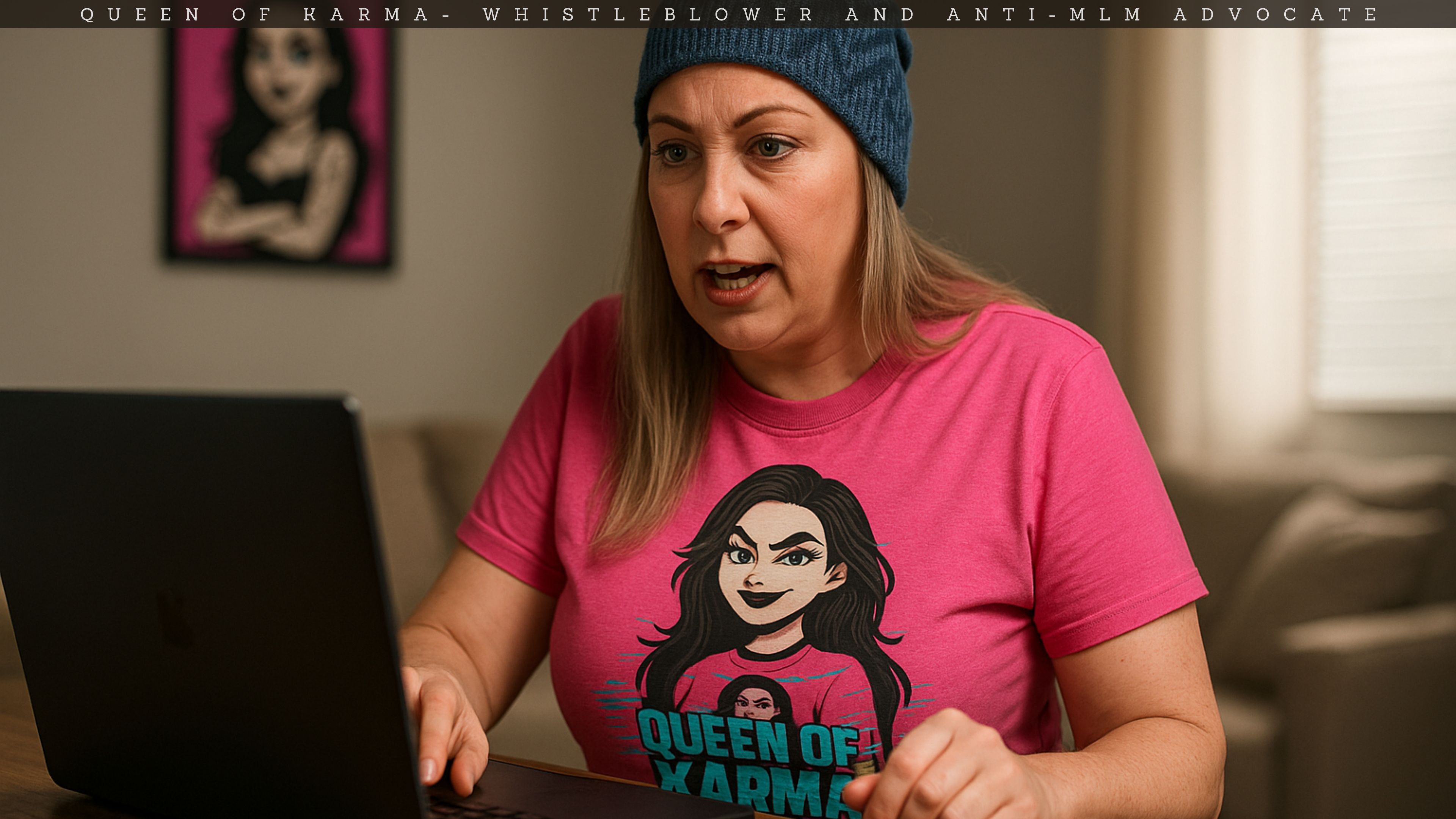
The Promise vs. the Reality – In the glossy brochures and Instagram reels, multi-level marketing (MLM) companies promise freedom, wealth, and community.
But behind the curated success stories lies a darker reality—one that mirrors the psychological manipulation and control tactics of cults. These aren’t just bad business models. They’re commercial cults, and they’re ruining lives.
The Pyramid of Exploitation
MLMs like LuLaRoe, Herbalife, Young Living, and countless others operate on a recruitment-first model. While they claim to sell products, the real money flows upward through a pyramid of recruits. The higher you are, the more you profit—off the backs of those below you. And for the 99% who never reach the top, the result is financial loss, emotional trauma, and broken relationships.
My Story: ItWorks
I know this personally. I joined ItWorks during a time of real vulnerability. My husband had just injured himself at work and would be going on unemployment for several months. We had an eight-month-old baby, and I was desperate to find a way to support my family. A “hun” slid into my DMs at the perfect moment—offering me what sounded like a lifeline.
They were running a sale that month, and I begged my husband to let me join as a birthday gift. He reluctantly agreed, warning me that it looked like a pyramid scheme and pointing out that Facebook was already blocking the website link. I didn’t listen. I dove in headfirst.
Every day, I gave it everything—Facebook Lives, nonstop posting, training sessions, trying to recruit. I managed to bring in two people and worked relentlessly, but they quit within their first month. I only earned around $54 per month while spending at least $80 just to maintain my rank. I was always in the negative.
After six months, my husband asked me to walk away. We fought. I accused him of not believing in me. He tried to explain how the business model was designed to fail most people—but I wasn’t ready to hear it. That broke trust between he and I, and at the time, I didn’t realize it would take me months to rebuild that trust years later.
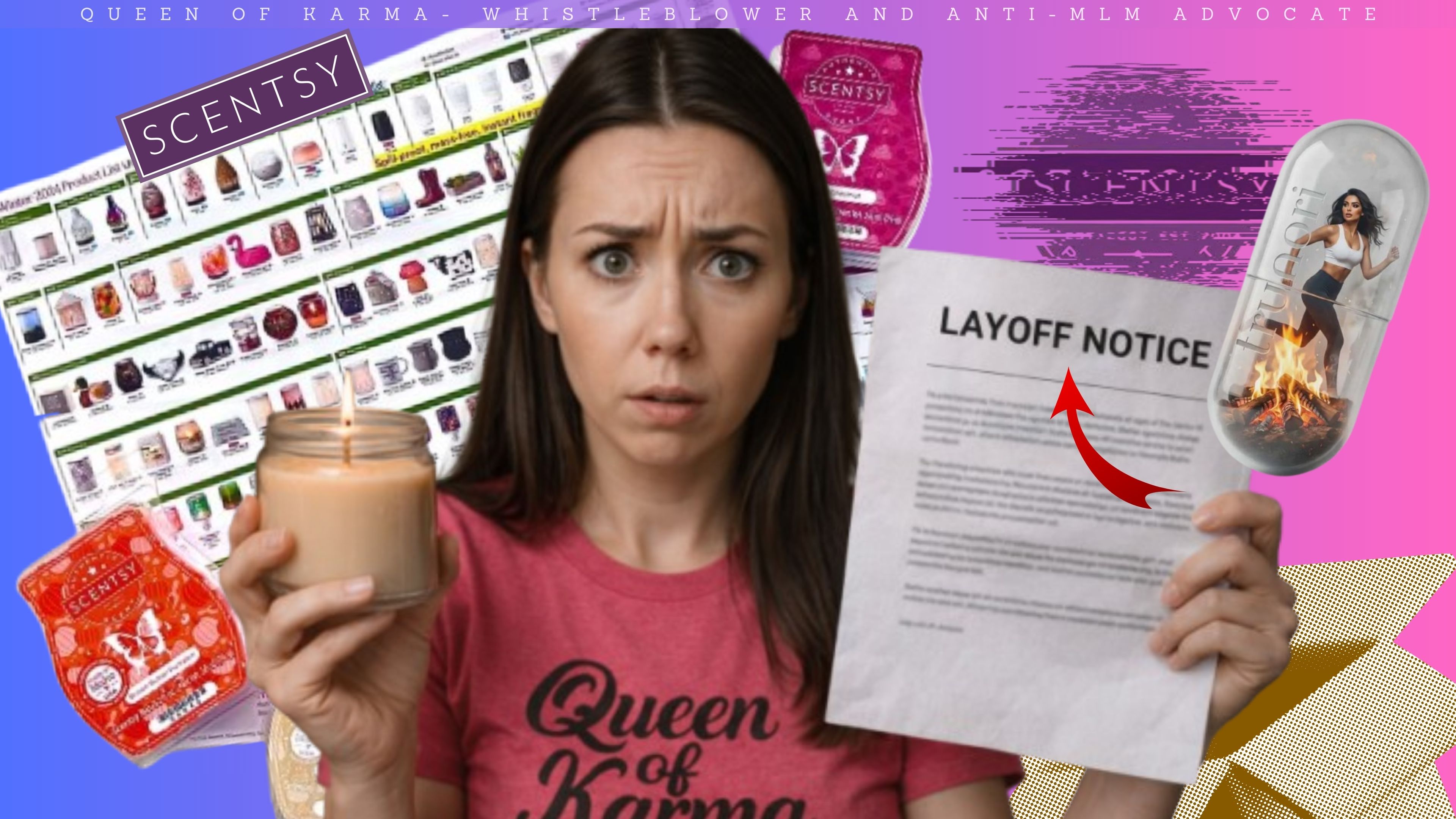
Then Came Scentsy
A few months after leaving ItWorks, I joined Scentsy with a close friend from high school. My husband thought their products were more legitimate, and my friend and I were both hustlers. It felt promising.
But after several months, my house was overrun with wax products, my budget was deep in the red, and I had nothing to show for it. My friend stayed in the company, but I quit. Unfortunately, our friendship suffered, strained for years because of that experience.
How the Manipulation Works
This is how it happens. MLMs don’t just sell products—they sell a dream. Recruits are love-bombed with praise and promises. They’re told to ignore “haters” and distance themselves from critics. Doubt is reframed as weakness. Failure is blamed on the individual, not the system. And leaders are elevated to guru-like status, dishing out life advice alongside essential oils, leggings, or wax warmers.
The Real Damage
The damage is real. People drain savings to buy inventory they can’t sell. They max out credit cards attending “training” events. They lose relationships to recruitment pressure. And when the dream dies, they’re left with shame, debt, and silence.
Why MLMs Target the Vulnerable
MLMs thrive in vulnerable communities—stay-at-home parents, immigrants, those facing financial uncertainty. They offer hope when people need it most. But hope built on manipulation is just another trap. These companies exploit trust, weaponize motivation, and disguise exploitation as empowerment.
Unpacking the Damage
After walking away from the world of multi-level marketing, I spent months unpacking how these companies had manipulated me. It wasn’t just about sales tactics or misleading income claims—it ran deeper. My past with religion and a lifelong quest for meaning had made me especially vulnerable to organizations that promised purpose, empowerment, and community. What I thought were opportunities turned out to be traps disguised as personal growth.
From Survivor to Advocate
Much like Danny de Hek, who’s made it his mission to expose MLMs and protect the public from their harm, I’ve taken up that mission myself. For the past six years, I’ve been peeling back the layers of indoctrination and coercive control embedded in these systems, trying to understand why my recovery from MLM involvement felt eerily similar to healing from a long-term domestic violence relationship.
The patterns of manipulation were shockingly familiar—the guilt, the gaslighting, the isolation, the financial control. At the time, not many people were speaking out about this connection, but I knew I had to. I had to give voice to the fear, confusion, and trauma that MLMs leave behind.
It’s Time to Speak the Truth
These companies aren’t just flawed businesses. They’re commercial cults. They’re socially accepted yet deeply harmful, and that acceptance needs to end. It’s time to call MLMs what they are: commercial cults. And it’s time to hold them accountable.
If you’ve been affected by an MLM or want to help others steer clear of the trap, share this article. Speak up. The truth is more powerful than any scripted pitch—and real opportunity should never come at the cost of your autonomy, your finances, or your mental health.
By Beth Gibbons (Queen of Karma)
Beth Gibbons, known publicly as Queen of Karma, is a whistleblower and anti-MLM advocate who shares her personal experiences of being manipulated and financially harmed by multi-level marketing schemes. She writes and speaks candidly about the emotional and psychological toll these so-called “business opportunities” take on vulnerable individuals, especially women. Beth positions herself as a survivor-turned-activist, exposing MLMs as commercial cults and highlighting the cult-like tactics used to recruit, control, and silence members.
She has contributed blogs and participated in video interviews under the name Queen of Karma, often blending personal storytelling with direct confrontation of scammy business models. Her work aligns closely with scam awareness efforts, and she’s part of a growing community of voices pushing back against MLM exploitation, gaslighting, and financial abuse.



Leave A Comment