


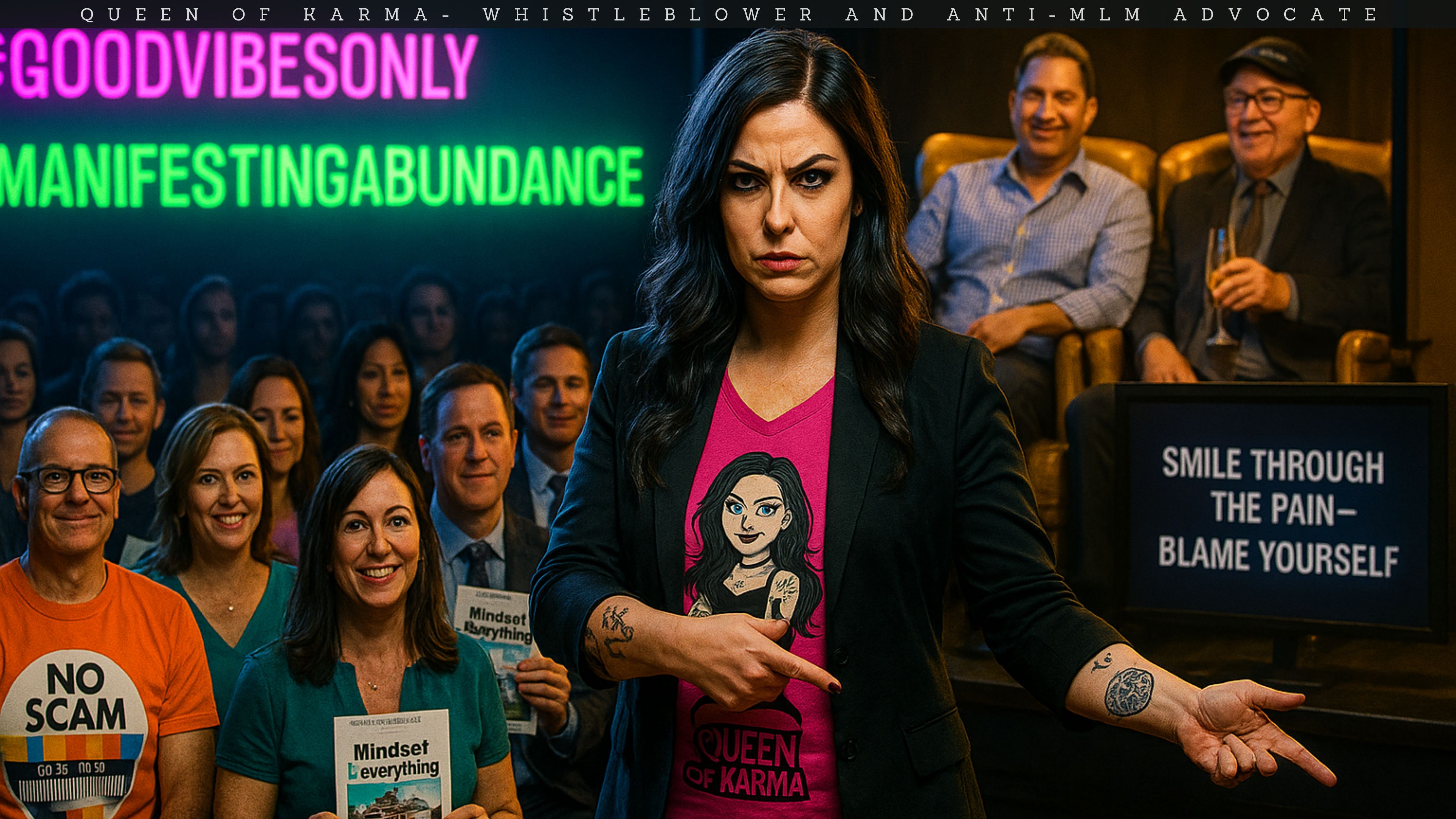
Toxic positivity — the insistence on staying upbeat no matter the circumstance — has become the emotional currency of commercial cults and MLMs alike.
Wrapped in hashtags like #GoodVibesOnly or #ManifestingAbundance, it’s sold as empowerment. But under the surface, it serves a far more sinister purpose: silencing dissent, deflecting responsibility, and keeping people trapped in exploitative systems.
The Promise of Positivity
Multi-Level Marketing companies and high-control cults both hook people with messages of self-improvement, financial freedom, and community. Whether it’s OnPassive promising “AI wealth” or NXIVM pushing self-actualization, the entry point is always the same: you can be better — if you believe hard enough.
Motivational quotes, vision boards, and daily affirmations are presented as tools of empowerment. But the real message is this: any failure is your fault.
The Gaslighting of the Grieving
What happens when your MLM downline dries up? When your team quits? When the miracle product doesn’t work? You’re told to keep your vibrations high, stop being negative, and “trust the process.” This is emotional gaslighting — denying people the right to feel anger, grief, or disappointment when reality doesn’t match the fantasy.
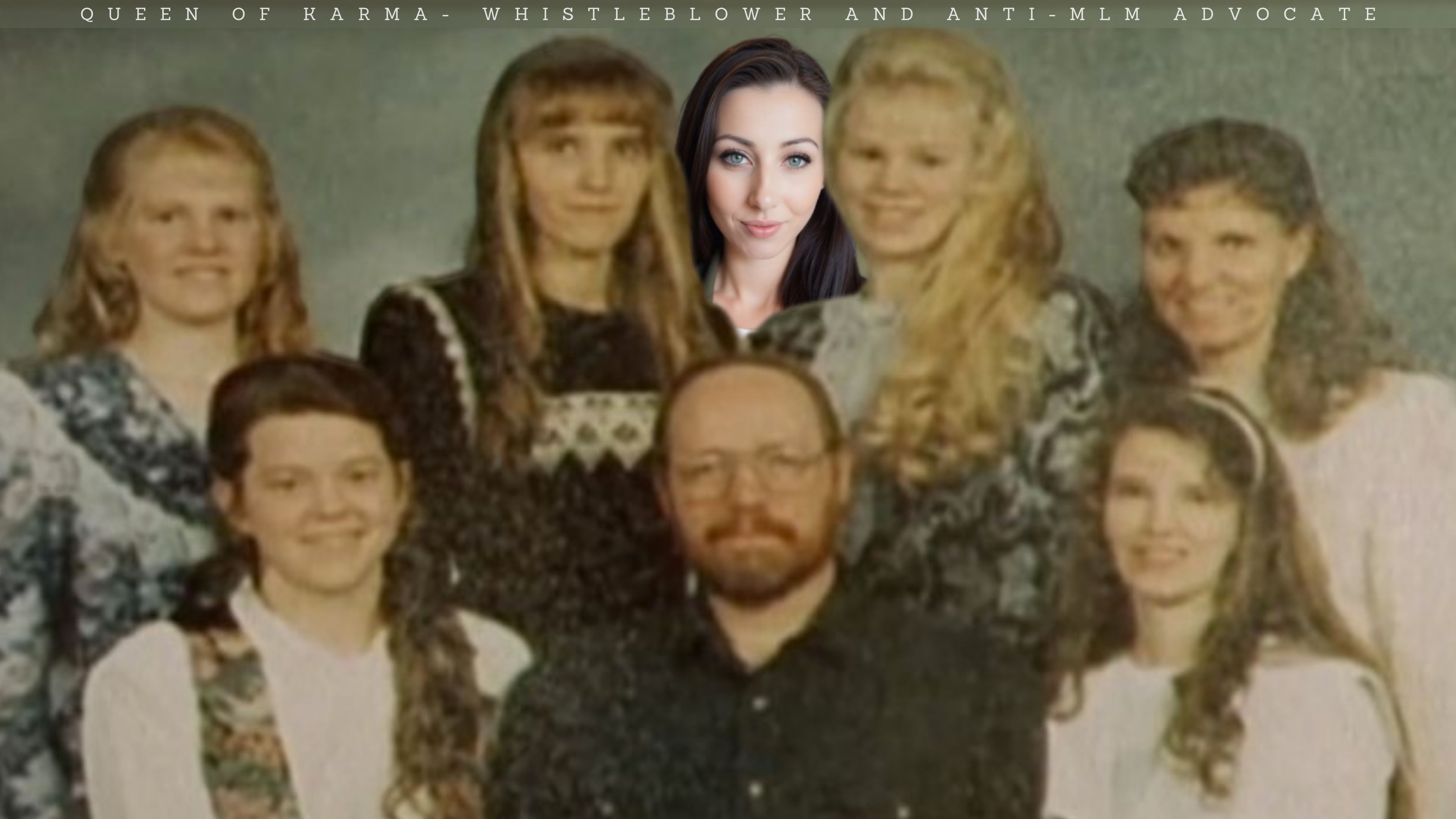
In cults like The Twelve Tribes or The Family International, members are told their suffering is the result of spiritual weakness or lack of faith. In MLMs, it’s “your mindset isn’t right.” Either way, the message is the same: you’re the problem, not the system.
Comparing Commercial Cults to Religious or Political Ones
Just like doomsday cults that blame the end times for their failures (instead of bad leadership or fraud), MLMs shift blame onto members for not trying hard enough.
- Jim Jones told his followers to ignore their fear and drink the Kool-Aid for the cause.
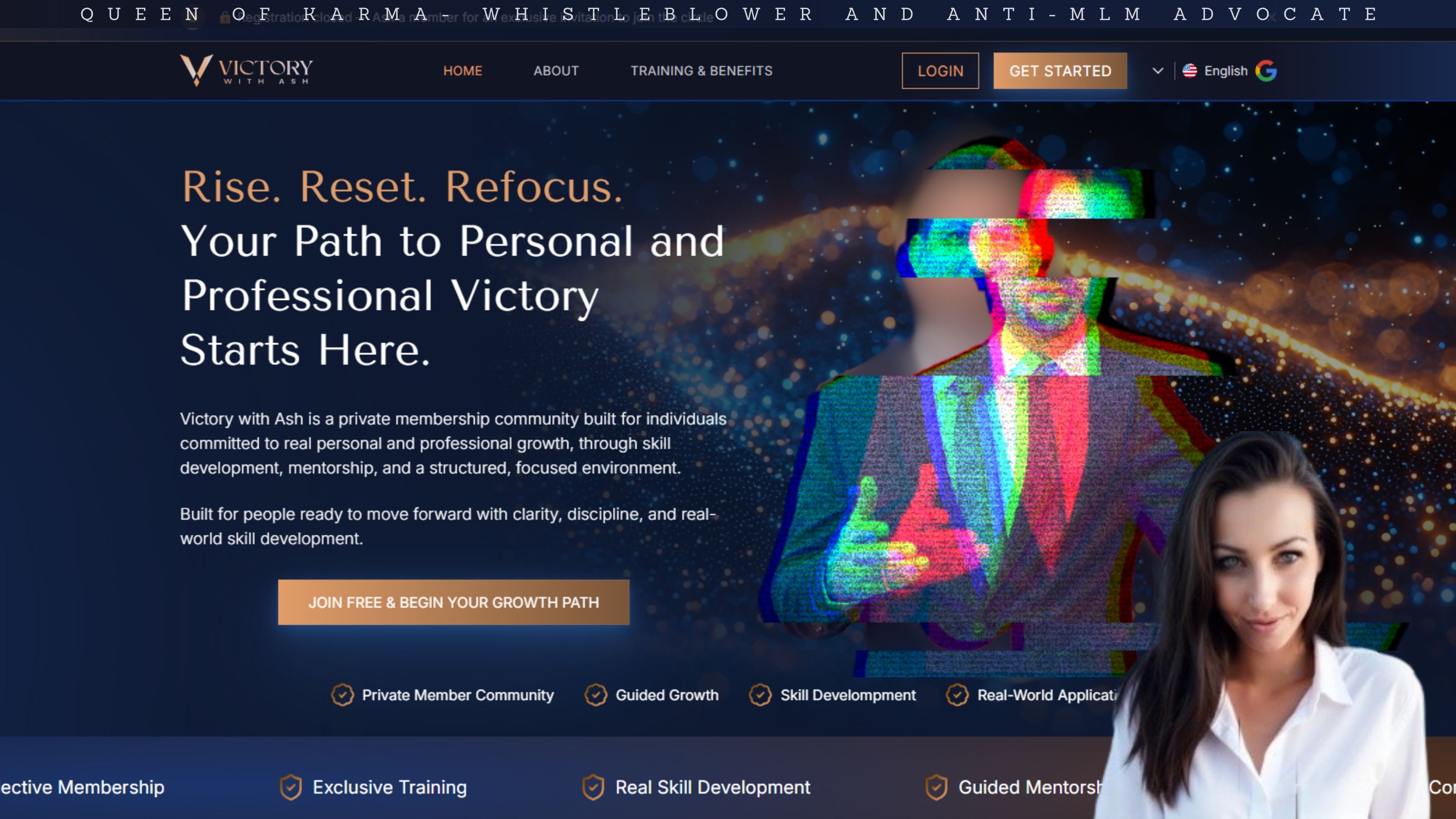
- Ash Mufareh tells his O-Founders they “lack vision” if they question years of unfulfilled promises.
- Herbalife, Amway, and Primerica leaders promise that riches are just one more rank away — if you keep the faith.
In both MLMs and cults, positivity becomes a weapon used to enforce loyalty.
Shaming Dissenters
When members speak up, they’re often labeled as “negative,” “toxic,” or even “demonic.” In cults, this is spiritual warfare. In MLMs, it’s mindset sabotage. In both, it isolates critics and protects the hierarchy.
Example: Former NXIVM members were told they had “ethical breaches.” In Scientology, those who leave the cult are labelled a “suppressive person.” In both cases, speaking the truth is rebranded as betrayal.
Love-Bombing and Abandonment
New recruits are showered with praise and affirmations — until they question authority. Then the positivity turns off like a switch. This is classic cult behavior: high control masked as high support. In the world of MLMs, you’re only part of the “family” if you keep recruiting, buying, and smiling.
Conclusion: Reject the Guilt, Reclaim Reality
Toxic positivity isn’t harmless — it’s a form of emotional control. It keeps people from asking hard questions, noticing red flags, or leaving abusive systems. Whether you’re in a pyramid-shaped “business” or a belief-based cult, you deserve the full range of human emotion — not a fake smile to cover up exploitation.
Call to Action
If you or someone you know is trapped in a high-control group, there is help. Speak to a cult recovery specialist, connect with MLM survivor groups, and most importantly — trust your discomfort. It’s not negativity; it’s reality.
By Beth Gibbons (Queen of Karma)
Beth Gibbons, known publicly as Queen of Karma, is a whistleblower and anti-MLM advocate who shares her personal experiences of being manipulated and financially harmed by multi-level marketing schemes. She writes and speaks candidly about the emotional and psychological toll these so-called “business opportunities” take on vulnerable individuals, especially women. Beth positions herself as a survivor-turned-activist, exposing MLMs as commercial cults and highlighting the cult-like tactics used to recruit, control, and silence members.
She has contributed blogs and participated in video interviews under the name Queen of Karma, often blending personal storytelling with direct confrontation of scammy business models. Her work aligns closely with scam awareness efforts, and she’s part of a growing community of voices pushing back against MLM exploitation, gaslighting, and financial abuse.



Leave A Comment