



It starts with hope. A new opportunity, a fresh start, a chance to finally fix what feels broken.
Whether it’s through spirituality, community, or the promise of financial independence, high-control groups and MLMs know exactly how to hook you — by reflecting your deepest desires back at you.
What they offer sounds like everything you’ve been waiting for. But what you’re really being sold… is a dream wrapped in deception.
They promise freedom.
They promise wealth.
They promise healing, belonging, salvation — whatever it is you’ve been aching for.
But the truth is, those promises are a lie.
False promises are one of the most powerful tools in the manipulation playbook of both cults and multi-level marketing (MLM) companies. They don’t recruit you by being honest. They recruit you by showing you exactly what you want to see — and hiding the cost until it’s too late.
It’s a classic bait-and-switch. And millions have fallen for it.
What Are False Promises?
A false promise is a guarantee of an outcome the group cannot or will not deliver — but continues to advertise to lure in new people or keep current followers compliant.
These promises are rarely straightforward. Instead, they’re wrapped in emotional language, personal testimonies, and vague inspiration. It’s always just around the corner… just one more payment, one more rank, one more level of belief.
You never quite get there — but you’re always told you will.
How Cults Use False Promises
Cults thrive on emotional vulnerability. If you’re grieving, searching for purpose, or feeling lost, they’ll promise you the answers. You’ll be told that joining the group will:
- Heal your trauma
- Give you spiritual enlightenment
- Save you from the end of the world
- Make you a chosen one
- Create a new family that will never abandon you
But none of it’s real.
The promises are carrots on a stick, constantly moving further away while you work harder, give more, and lose pieces of yourself trying to reach them. When the promised outcome doesn’t arrive, you’re told it’s your fault — you didn’t pray hard enough, donate enough, obey enough.
It’s emotional blackmail disguised as hope.
How MLMs Use False Promises
MLMs operate almost entirely on false promises — and they know exactly which dreams to dangle.
You’re told you’ll:
- Retire young
- Become a six-figure earner
- Be your own boss
- Work from anywhere
- Spend more time with family
- Help others while helping yourself
They show you influencers on beaches with laptops and moms driving pink Cadillacs. But what they don’t show you is the over 99% of people who lose money, go into debt, and burn out chasing a dream that was never real to begin with.
You’re constantly told: “The only people who fail are the ones who quit.”
But that’s the lie — the system is built to fail you. It’s designed so that only the top 1% (or less) ever see real profit — usually the same people who got in early, not those being recruited now.
Why It Works
False promises work because they play on hope. And hope is powerful — especially when you’re struggling.
They tap into the deepest human desires: to be seen, to be successful, to matter, to belong, to escape struggle. They sell a future version of yourself that finally has it all together. And when you want that version badly enough, you’ll do almost anything to get there.
That’s what makes this tactic so cruel. They don’t take your money first — they take your faith. Then they twist it.
Red Flags to Watch For
If you’re hearing any of the following, you might be dealing with a false promise:
- “It’s not a pyramid scheme, it’s a life-changing opportunity.”
- “Everyone who follows the system succeeds.”
- “You’ll be a millionaire in 6 months if you stay consistent.”
- “God told me this is where you’re meant to be.”
- “Don’t listen to negative people — they just don’t get it.”
- “This is your ticket out of the 9–5 grind.”
- “You can cure your illness with positive energy and the right mindset.”
The more grandiose the claim, the more caution you should have.
How to Protect Yourself
- Ask for proof. Real opportunities can back up their claims with verifiable data — not just success stories cherry-picked from the top.
- Do the math. If you’re promised financial freedom, calculate what it actually takes — in terms of time, money, recruitment, and product sales. The numbers usually don’t add up.
- Watch for blame shifting. If the promise fails and you’re blamed for not trying hard enough, walk away. A real opportunity doesn’t gaslight you.
- Seek outside perspectives. Talk to people who’ve left the group or MLM — not just those still involved. Survivors are often the truth-tellers.
- Trust your gut. If something feels off, it probably is. False promises often come with an undercurrent of pressure, secrecy, and manipulation.
Final Thoughts
False promises are the glitter that hides the trap. They’re not just lies — they’re weapons. They waste your time, drain your resources, and exploit your hope. Worst of all, they often leave people feeling broken and ashamed, wondering what they did wrong.
But it wasn’t you. It was never you.
The system was built to shine in the light and rot in the shadows. That’s why we speak out — to drag those shadows into full view.
If someone promised you the world and gave you a prison, you deserve to know you’re not alone — and you can walk away at any time.
Because freedom isn’t found in a product pack or a spiritual contract. It’s found in truth.
Have you been hurt by false promises in an MLM, cult, or high-control group? Share your story or explore more resources here on dehek.com. We’re here to expose the lies and support the recovery.
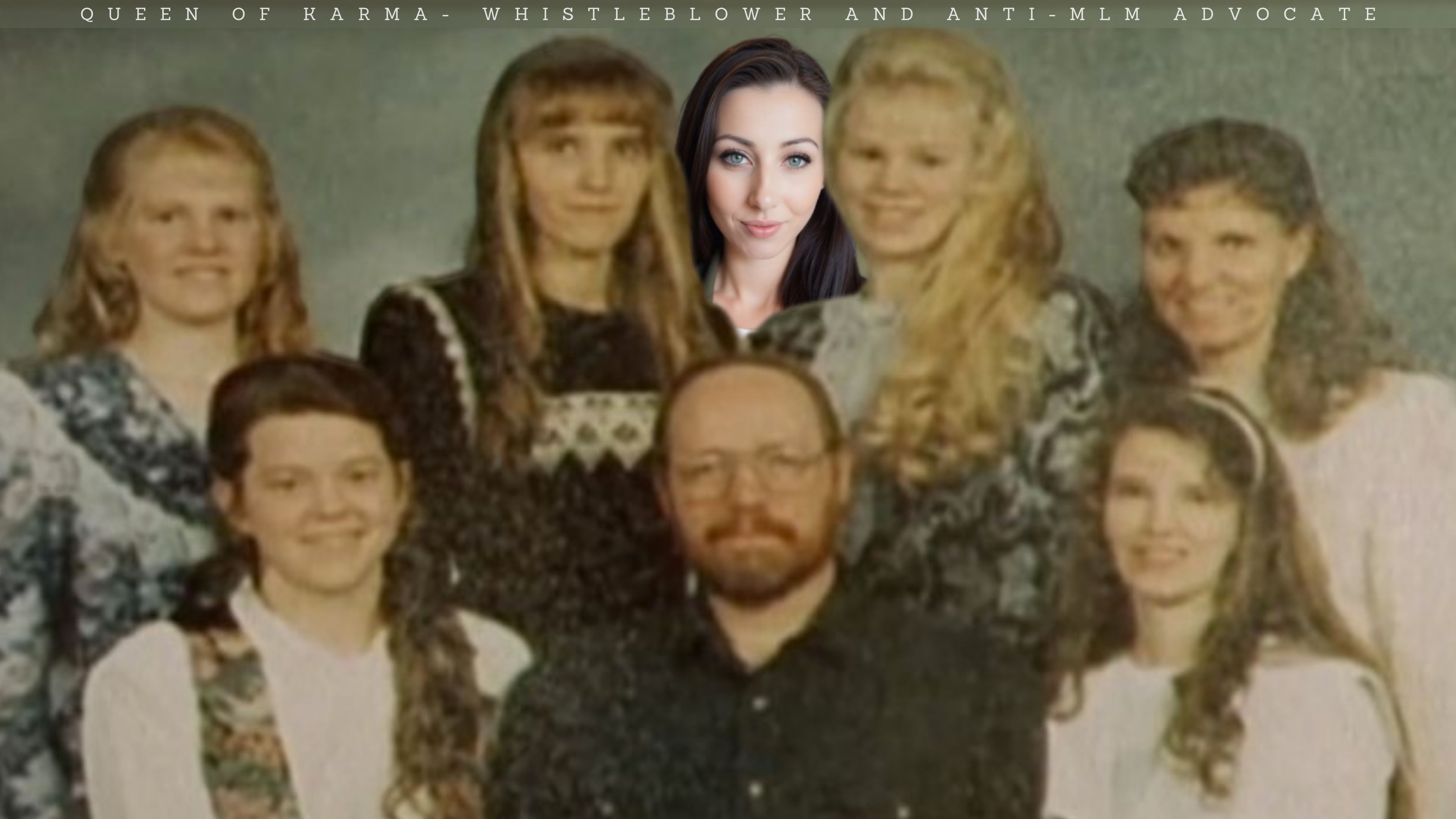
By Beth Gibbons (Queen of Karma)
Beth Gibbons, known publicly as Queen of Karma, is a whistleblower and anti-MLM advocate who shares her personal experiences of being manipulated and financially harmed by multi-level marketing schemes. She writes and speaks candidly about the emotional and psychological toll these so-called “business opportunities” take on vulnerable individuals, especially women. Beth positions herself as a survivor-turned-activist, exposing MLMs as commercial cults and highlighting the cult-like tactics used to recruit, control, and silence members.
She has contributed blogs and participated in video interviews under the name Queen of Karma, often blending personal storytelling with direct confrontation of scammy business models. Her work aligns closely with scam awareness efforts, and she’s part of a growing community of voices pushing back against MLM exploitation, gaslighting, and financial abuse.





Leave A Comment