


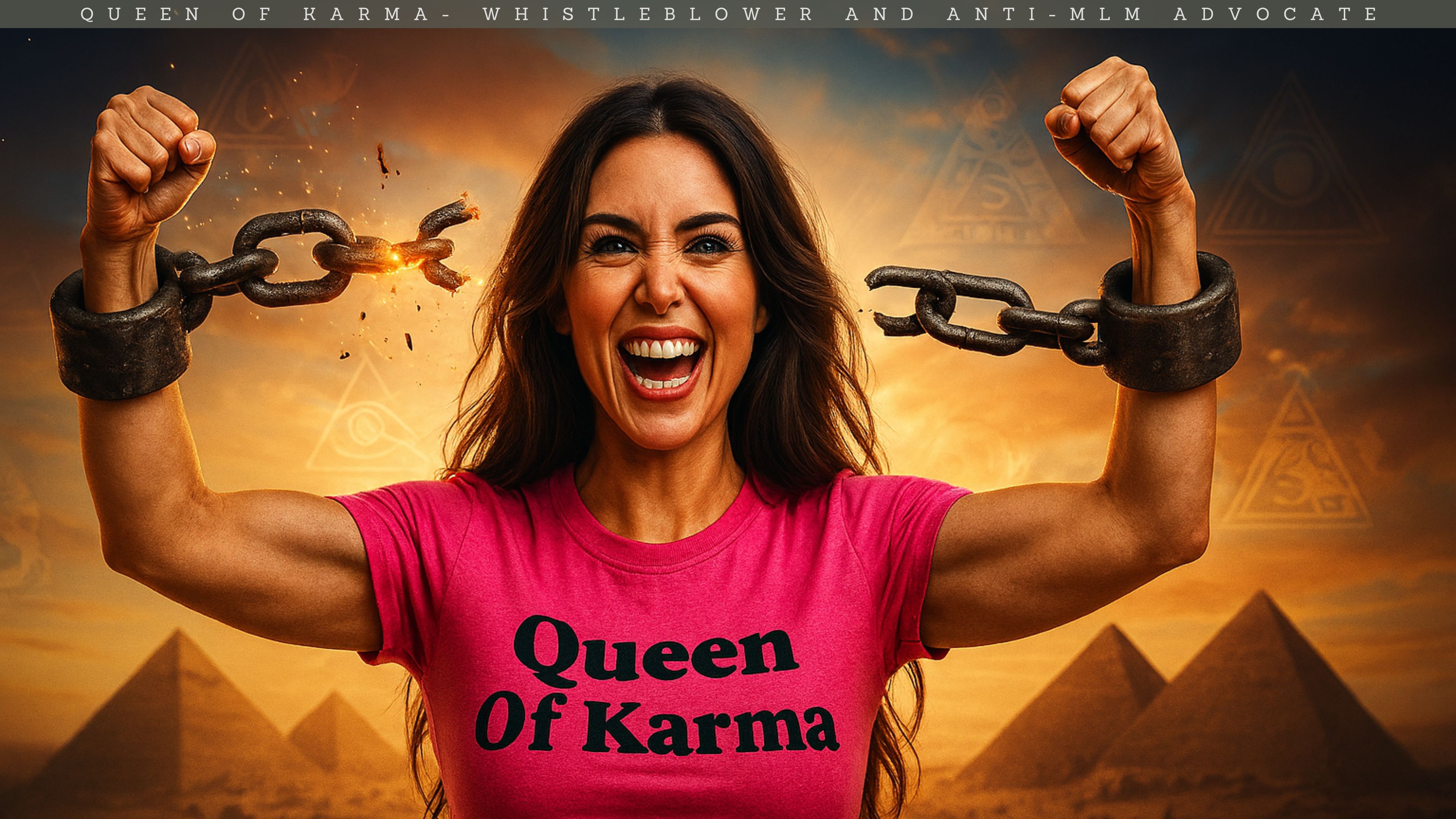
It often starts with trust. A warm welcome. A promise of belonging. Someone finally “seeing” you when you feel invisible.
For many survivors of high-control groups — from the Hare Krishna movement to Scientology, the LDS Church, and NXIVM — the first steps in were paved with hope.
What followed was something far darker: systemic coercion, manipulation, and abuse disguised as spiritual growth, personal development, or business opportunity.
These groups may look different on the outside — saffron robes, corporate seminars, missionary badges, or “executive success” workshops — but the psychological machinery inside is strikingly similar. The journey out mirrors the harrowing process of leaving an abusive relationship.
The Psychological Machinery of Control
Recruitment often happens during moments of vulnerability — a breakup, a move, a career change, a spiritual crisis. Social psychology tells us that people in transition are more open to new identities and social belonging. High-control groups exploit this by offering certainty, community, and purpose.
Once inside, members are subjected to coercive control:
- Behavioural control regulates schedules, diet, sleep, dress and finances.
- Information control limits outside sources and floods members with doctrine.
- Emotional control cycles guilt, fear, shame, and euphoria to create dependency.
- Identity control reframes personal history as broken, with the group as the only healer.
Over time, critical thinking erodes. The member’s sense of self fuses with the group’s ideology, making dissent feel like self-betrayal.
Why Abuse Thrives in These Systems
In this environment, sexual coercion is not accident — it’s a structural feature. Leaders are elevated to near-divine status, making proximity to them seem like a spiritual privilege. Obedience is reframed as holiness, inverting consent into a test of loyalty.
Small boundary violations are normalized, creating a slippery slope where each new violation feels only slightly worse than the last. Cognitive dissonance pushes members to rationalize the abuse rather than confront the possibility that their trusted leader is a predator.
Isolation — through communal living, mission assignments, or closed-door “trainings” — removes external witnesses. When abuse occurs, institutional self-protection kicks in: internal reporting channels, “handle it in-house” doctrines, and threats of shunning or spiritual ruin silence victims. Survivors describe spiritual bypassing (“this is purification”), therapeutic gaslighting (“you’re having a breakthrough”), and mission exploitation (“this is for the greater good”) as tools that reframed their trauma as virtue.
The Invisible Glue: Trauma Bonds & Learned Helplessness
Trauma bonding — an attachment formed through intermittent reinforcement — keeps victims tethered. The abuser alternates cruelty with kindness, making the moments of relief feel like proof of love.
Learned helplessness sets in when repeated attempts to resist or escape are met with punishment or failure, convincing the victim that nothing will change. Add in the sunk-cost fallacy (the more you’re invested, the harder it is to leave) and identity foreclosure (your self-concept is entirely tied to the group), and the trap is complete.
These tactics exploit universal human needs — for belonging, meaning and safety — and then weaponize them.
The Exit and Psychological Aftermath
Leaving is not just a physical act — it’s a psychological unravelling. Survivors often face an identity crisis, trust issues, and self-blame. The loss of community can trigger profound grief, and many experience complex PTSD long after they’ve left.
Recovery begins with stabilization: securing safety, financial independence, and medical/legal support. The next step is cognitive liberation — learning the language of coercive control, gaslighting, and trauma bonding to externalize blame. Rebuilding identity means exploring values and beliefs outside the group’s influence, while restoring autonomy involves practicing boundaries and informed consent. For some, justice — through legal action, public testimony, or survivor coalitions — becomes part of the healing process.
Recognizing the Psychological Playbook
Groups that claim exclusive truth, demand proof of commitment through boundary-crossing acts, escalate secrecy, excuse leaders from the rules, and impose punitive exit costs are applying the same psychological playbook. Recognizing these patterns is not just about prevention — it’s about validating survivors’ experiences and dismantling the illusion of uniqueness that keeps victims isolated.
Pathways to Recovery
The following steps are a great start to your recovery:
- Stabilize and Secure Safety
Prioritize immediate safety — secure housing, finances, and personal documents. Limit or cut contact with abusers where possible, and identify safe allies who can help in a crisis. - Cognitive Liberation
Learn the language of coercive control, gaslighting, and trauma bonding. Naming the tactics externalizes blame and restores mental sovereignty. - Rebuild Identity
Explore values, beliefs, and interests outside the group’s influence. Experiment with new activities, communities, and roles to rediscover self-definition. - Restore Autonomy
Practice boundary-setting and informed consent in everyday life. Start small — saying “no” without justification — and build towards larger acts of self-advocacy. - Seek Trauma-Informed Support
Work with therapists, support groups, or coaches experienced in cult or abuse recovery. Healing is faster and safer with guides who understand the terrain. - Reconnect with Healthy Community
Replace the lost social structure with supportive networks that respect your autonomy. Connection is a key antidote to isolation. - Pursue Justice (If Desired)
Document evidence, consult legal experts, and consider joining survivor coalitions. Justice can be empowering, but it’s a personal choice — not a requirement for healing.
Recovery is not linear. These steps rebuild safety, self-trust, and connection — the very things coercive systems work to destroy.
Not an Accident
Abuse in high-control groups is not an accident; it is the logical outcome of systems built on unquestioned authority, engineered dependency, and sacralized obedience. By understanding the psychology behind the tactics — and the shared pathways to healing — we can better support survivors, hold perpetrators accountable, and dismantle the structures that allow abuse to thrive.
Whether the abuser is a single partner or an entire institution, the journey out is one of courage, clarity, and reclamation of self. Survivors are not broken — they are battle-tested experts in resilience. Their stories deserve to be heard, believed, and acted upon.
By Beth Gibbons (Queen of Karma)
Beth Gibbons, known publicly as Queen of Karma, is a whistleblower and anti-MLM advocate who shares her personal experiences of being manipulated and financially harmed by multi-level marketing schemes. She writes and speaks candidly about the emotional and psychological toll these so-called “business opportunities” take on vulnerable individuals, especially women. Beth positions herself as a survivor-turned-activist, exposing MLMs as commercial cults and highlighting the cult-like tactics used to recruit, control, and silence members.
She has contributed blogs and participated in video interviews under the name Queen of Karma, often blending personal storytelling with direct confrontation of scammy business models. Her work aligns closely with scam awareness efforts, and she’s part of a growing community of voices pushing back against MLM exploitation, gaslighting, and financial abuse.





Leave A Comment