



Few figures in modern spiritual education have sparked as much controversy as Bhakti Vidya Purna Swami. His legacy within ISKCON’s gurukula system is revered by some and condemned by others.
Let’s examine the troubling undercurrents behind the teachings, the leadership, and the lasting impact on vulnerable followers.
Introduction
The International Society for Krishna Consciousness (ISKCON), widely known as the Hare Krishna movement, has been a major actor in global spiritual and alternative religious circles since its founding in 1966. Within this organization, Bhakti Vidya Purna Swami—formerly Alan Ross Wexler—rose to international prominence, celebrated for his scholarly grasp of Vedic tradition and as a principal architect of the gurukula (traditional Vedic boarding school) system in ISKCON’s world headquarters at Mayapur, India. In the span of four decades, however, Bhakti Vidya Purna Swami’s legacy has become inextricably linked to systemic abuse scandals—issues both personal and structural that have shaken not only ISKCON, but the wider discourse on spiritual education, cultic behaviors, and organizational accountability.
This article systematically examines Bhakti Vidya Purna Swami’s role in ISKCON, especially regarding his leadership in Mayapur’s gurukula system, and the nature and chronology of the grave allegations against him. Drawing on primary materials, survivor testimonies, anti-cult expert assessments, and media analyses, the report situates these events within ISKCON’s organizational dynamics and compares them with other high-control religious organizations. It closes by extracting actionable lessons for ensuring transparency and safeguarding vulnerable individuals in spiritual communities.
Biographical Overview: Bhakti Vidya Purna Swami and His ISKCON Role
Bhakti Vidya Purna Swami (BVPS), born Alan Ross Wexler in 1955 in Santa Monica, California, encountered ISKCON in the early 1970s and was initiated by the movement’s founder, A.C. Bhaktivedanta Swami Prabhupada, in 1974. Over decades, he held significant roles, notably as principal of the Mayapur gurukula, architect of educational programs for boys and girls, and a respected initiating guru and sannyasi (renunciate).
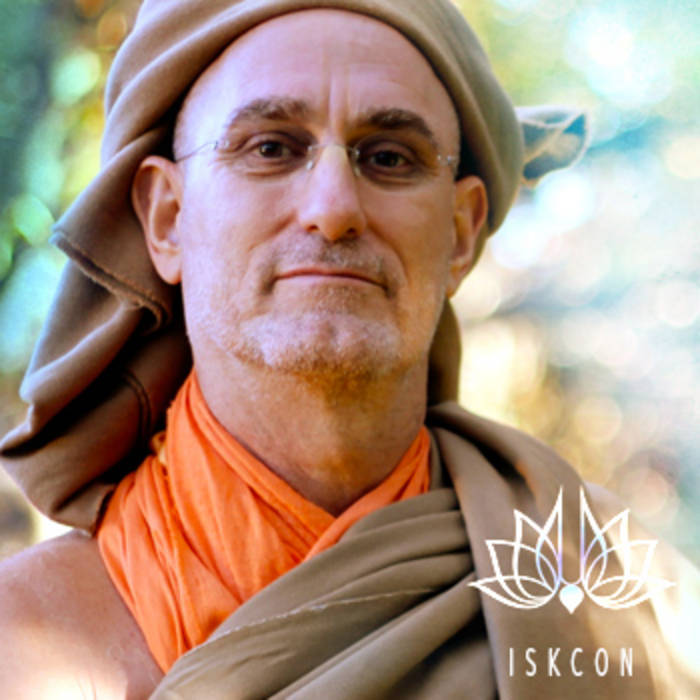 As principal of the Bhaktivedanta Academy in Mayapur, he established a Vedic-asrama model focused on strict discipline, communal living, scriptural study, and development of devotional values. His teaching methodology blended elements of pre-modern Indian pedagogy with the necessities of an intentional international community, positioning the school as an emblem of Prabhupada’s educational ideal.
Within Mayapur, Bhakti Vidya Purna Swami, often called “Gurukula Maharaj,” trained both children and teachers. He advocated for the immersion of youth in traditional ritual, etiquette, philosophy, and practical skills, and his reputation attracted families globally, giving the Mayapur gurukula an international identity and reach.
The Mayapur Gurukula System: Structure, Philosophy, and Practice
The Mayapur gurukula system was devised as the living fulfillment of Prabhupada’s vision for Vedic education: a fully immersive ashram-based program designed to train children in scriptural wisdom, ritual, character, and spiritual discipline, as distinct from mainstream secular education. The educational scheme included:
- Academic courses: Basic mathematics, English, history, Sanskrit, geography, and natural science.
- Scriptural and ritual education: Bhakti-yoga, daily arati, mantra chanting, Vedic ceremonies, and Puranic studies.
- Practical skills: Gardening, cooking, music, arts, and cow care.
- Moral and spiritual training: Emphasis on obedience, submission, austerity, and the cultivation of Vaishnava virtues.
Students (gurukulis) followed a rigorous daily routine, including early rising, communal worship, academic and scriptural classes, chores, and physical activities. Teachers were not merely instructors but authority figures imbued with spiritual legitimacy. Senior boys also supervised younger children, assumed disciplinary responsibilities, and participated in ritual leadership.
The Mayapur gurukula operated under ISKCON’s local and central administrative oversight, but, as later investigations revealed, there was significant autonomy for dominant personalities, including Bhakti Vidya Purna Swami, who emerged as the principal authority on all matters related to education and child discipline at the school.
Chronology and Nature of Controversies and Allegations
Widespread abuse in ISKCON’s gurukulas, especially during the 1970s–1990s, is well-documented. This history sets the context for the allegations against Bhakti Vidya Purna Swami and the failure of institutional checks and balances. Patterns of abuse included:
- Physical beatings and corporal punishment
- Emotional and spiritual humiliation
- Sexual abuse and grooming by teachers, senior students, or administrators
- Negligence in response to allegations and attempts to silence victims


1980s–1991: Physical and Emotional Abuse
As principal of the boys’ school, Bhakti Vidya Purna Swami admitted to “imposing excessive physical punishments,” with reports from former students and CPO investigations detailing beatings, public humiliation, and ritualistic corporal discipline. These practices, which sometimes led to boys urinating themselves in terror, were described as “exceptional brutality” by victims and former staff.
During this time, sexual abuse of children by teachers and senior students was reported, with survivors stating that BVPS was not only aware of these incidents but failed to intervene. He allegedly downplayed such behaviors, sometimes rationalizing them as “not a very serious thing” and dismissing their gravity as “human nature”.
1991–2000: Transitions and Rising Reports
Despite mounting allegations, Bhakti Vidya Purna Swami continued to be influential, and the school was reorganized. He shifted to focus on teacher training and overseeing the Vedic educational program but remained deeply involved in day-to-day operations.
2000: First Formal CPO Inquiry
The ISKCON Central Office of Child Protection (CPO) concluded in a 2000 report that BVPS was guilty of excessive corporal punishment and neglect, recommending he be removed from all managerial or administrative roles, especially those connected to children. Restrictions included barring him from initiating disciples, teaching or managing schools for a specified period, and imposing a lifetime ban on accepting new disciples. Critically, despite such findings, he was permitted to return to prominent educational roles after the expiry of certain restrictions, and continued guiding teacher training and indirect educational management.
2007: Inconclusive CPO Investigation
A subsequent investigation into abuse allegations proved inconclusive, with CPO documentation showing a lack of adequate corrective measures during this time.
2015: Bhaktivedanta Academy Girls’ School Case
In 2015, a complaint regarding the girls’ school surfaced, with the CPO finding that BVPS had created a “culture of fear” and displayed improper behavior with a minor female. This case led to the closure of the school, even though BVPS was not the primary focus of the investigation.
2005–2010: Sexual Abuse, Grooming, and Harassment of a Minor
The most devastating revelations came in newly reported incidents from 2005–2010, when BVPS engaged in sexual harassment, grooming, and sexual abuse of a minor female, aged 14–17, whom he taught and mentored at the girls’ school in Mayapur. The ICOCP findings state that BVPS admitted to sexual activity with the victim (falsely claiming she was over 18), and demonstrated “cruel, callous, and unremorseful” behavior, including viewing sexual images and making lewd remarks in her presence.
Enabling, Silencing, and Institutional Failure
Reports and survivor statements describe a systematic pattern in which whistleblowers, victims, and concerned teachers were intimidated or persuaded to remain silent. The ICOCP highlighted the role of school authorities (named individuals included) in either enabling or failing to act on abuse reports, and specifically recommended further investigation and reform in Mayapur’s educational leadership.
Organizational Response: The ICOCP Ban of 2022
On October 28, 2022, following an in-depth investigation and review, the ISKCON Central Office of Child Protection rendered its official decision: Bhakti Vidya Purna Swami was found responsible for sexual abuse, sexual harassment, emotional and spiritual abuse, and grooming of a minor. The panel ordered (among other actions):
- Lifetime ban from visiting, residing in, or holding any position in ISKCON Mayapur or any child-related welfare, teaching, or spiritual role worldwide.
- Prohibition from initiating disciples, holding leadership or management positions, performing religious services or ceremonies, publicly speaking, or leading music and worship.
- Requirement to apologize and pay $5,000 for victim counseling support.
- Mandate for ISKCON authorities worldwide to apply these sanctions as the minimum standard, emphasizing that they could not be reduced by local leaders.
- The report also called for further investigations into cases of enabling, demanded retraining or removal of staff trained by BVPS, and stressed the need for whistleblower protection and institutional culture change.
Survivor and Whistleblower Perspectives: Lived Experiences and Aftermath
Firsthand accounts from former students paint a picture of endemic fear, brutality, isolation, and emotional devastation. Notable statements include:
- Physical Discipline and Humiliation: Boys described being caned with ritualistic anticipation, forced to select their “instruments of punishment,” and subjected to public ridicule that left permanent psychological marks.
- Sexual Abuse, Negligence, and Denial: Multiple cases documented that sexual predation was an “open secret.” Survivors asserted that BVPS knew of peer-on-peer and teacher-on-student abuse, but largely ignored or minimized it, instead prioritizing the school’s reputation and institutional interests.
A widely-shared whistleblower testimony by Vedasara Dasa, now ISKCON Atlanta’s temple president, alleges direct and indirect abuse and total administrative neglect of child safety, resulting in generational trauma for survivors. The testimony received formal acknowledgement by ISKCON’s North American Regional Governing Body as factual and deeply disturbing, and has prompted public calls for accountability at the highest levels.
Former CPO directors and child protection advocates have described the Mayapur gurukula as “the most severe” case in ISKCON history, noting “deliberate negligence” and “exceptional brutality” by BVPS. While some leaders and community members have voiced support for the abuser, survivors have repeatedly pointed to the lack of public apology, sustained minimization of their trauma, and repeated institutional reintegration of known offenders as evidence of deep-rooted problems in ISKCON’s approach to abuse accountability.
Letters from current parents at the Mayapur Boys’ Gurukula contrast dramatically with historical reports, describing a positive, nurturing academic and spiritual environment, strong teacher-parent relationships, and sensitivity to the trauma endured by past generations. These endorsements, while genuine, sometimes risk minimizing the ongoing systemic issues or failing to acknowledge fully the lasting harm caused to survivors and the persistent challenges of ensuring transparency within a religious institution.
Anti-Cult Expert and Academic Analyses: ISKCON, High-Control Groups, and Organizational Dynamics
ISKCON is governed by a hierarchical yet somewhat decentralized system, with the Governing Body Commission (GBC) as the “ultimate managing authority,” overseeing all spiritual and administrative standards, supported by regional bodies, temple presidents, ministers, and educational committees. While this structure was explicitly designed by Prabhupada to avoid “too much power in any individual’s hands,” enforcement of internal policies and child protection mechanisms have historically been weak and susceptible to manipulation by charismatic leaders or dominant personalities.
Sociological and anti-cult research highlights the ways in which ISKCON’s structure contributed to abuse:
- Absolute obedience to authority: The group’s emphasis on submission and spiritual hierarchy enabled abusers to act with near-impunity and discouraged questioning of leaders.
- Isolation and control: Gurukula students were often isolated from parents, mainstream society, and outside scrutiny, heightening their vulnerability.
- Culture of silence and denial: Institutional priorities, such as protecting reputation, led to minimization or concealment of abuse, transfer of perpetrators, and a reluctance to report incidents to civil authorities.
Anti-cult experts identify these as classic features of high-control or totalistic religious groups, drawing parallels with other controversial organizations such as the Catholic Church (notorious for its own abuse scandals), and newer American cultic movements like NXIVM and Rajneesh/Osho sect, which were similarly marked by charismatic authority, control over members’ lives, and systemic cover-ups of abuse.
Academic consensus affirms that “strong culture” becomes “cultic” when:
- Charismatic leadership is unchallengeable
- Devotion is enforced by social, spiritual, or physical coercion
- Separation from broader society is maintained so that feedback and scrutiny are minimized
- Accountability is replaced by rationalizations based on spiritual status or perceived past service
- Mistakes or abuses are attributed to “spiritual immaturity” rather than structural flaws
Yudhisthira Dasa’s personal critique, echoed in sociological treatments, points to antinomian heresy—the belief that spiritual perfection places one above the law—as endemic to ISKCON’s educational crisis. This justified, for years, not only the behaviors of offenders but also the failure of bystanders to report or intervene.
Since the late 1990s, ISKCON has publicly acknowledged a history of serious abuse within its schools, established child protection offices, and created policies for the investigation and sanction of abusive behavior. However, repeated failures, including the delayed enforcement of bans, hesitancy to report criminal acts to legal authorities, and the ongoing support of disgraced leaders by segments of the ISKCON elite, have continued to draw criticism from former members, experts, and the media.
Widespread media reporting—ranging from the New York Times front-page exposés in the 1990s to ongoing online and print investigations—has repeatedly forced ISKCON leadership to confront abuse within its ranks. The 2000s saw a multi-million-dollar class-action lawsuit by survivors, with ISKCON’s U.S. branches seeking bankruptcy protection to facilitate a global settlement. The scale of litigation and the depth of investigative reporting mark the Mayapur gurukula and broader ISKCON abuse crisis as among the most public in the landscape of new religious movements.
Recent revelations, such as the 2022 CPO report on Bhakti Vidya Purna Swami, have similarly galvanized the global ISKCON community and prompted soul-searching about faith, authority, and institutional integrity. Many current devotees and former members have displayed profound disillusionment and anger at the institution’s apparent failure to prioritize children’s safety over reputation and loyalty.
Comparative Perspective: ISKCON, other High-Control Religious Groups, and Lessons for Spiritual Education
The ISKCON events closely mirror patterns observed in other notorious high-control religious organizations:
- Catholic Church: Widespread priestly abuse, protected by internal transfer mechanisms, and only addressed following external legal and media pressure.
- NXIVM: A secular “self-improvement” cult marked by charismatic leadership, social and sexual control over members, and deliberate shielding of abusers from law enforcement.
- Rajneesh/Osho: Systemic sexual exploitation, bioterrorism, and organizational loyalty enforced through isolation and manipulation.
In all cases, the core enablers include spiritual rationalization of authority, secrecy, institutional inertia, and the prioritization of organizational legacy over individual welfare.
From a synthesis of survivor experience, expert analysis, and organizational self-critique, the following lessons stand out:
- Institutional Oversight Must Be Genuine and Continuous
Reform is unsustainable if accountability is sporadic or subject to reversals. Permanent, independent child protection offices, regular audits, and transparent reporting of abuse findings (including to civil authorities) are necessary. - Accountability Must Trump Status and Service
Regardless of the abuser’s spiritual standing, longevity, or service record, organizational discipline must be unsparing. Excusing abusers based on past contributions—an endemic problem in ISKCON and elsewhere—erodes trust and encourages further exploitation. - Survivor-Driven Policy Change
History shows that progress in ISKCON (as in Catholicism and other groups) followed public survivor testimony and class-action litigation. Spiritual communities must empower whistleblowers, offer support and compensation to survivors, and embed survivor perspectives in policy design. - Cultural Change is as Critical as Policy
A culture of transparency and skepticism of authority needs to be fostered across all levels. Preventive training, open discussion about the possibility of abuse “even here,” and a willingness to challenge leadership failures are indispensable. - Parental and Community Participation
Modern ISKCON schools have increasingly involved parents in oversight and feedback. While this has improved the current environment, it must remain vigilant and sensitive to past failures, so as not to slide back into complacency. - Broader Education and Integration
Many harms arose from the isolation and insularity of past gurukulas. Integrating academic curricula, social science training, and pathways for re-entry into mainstream society can prevent the formation of closed, high-control subcultures.
Conclusion: From Scandal to Reform—The Unfinished Journey
The case of Bhakti Vidya Purna Swami stands as a stark warning against the myth that spiritual credentials and organizational ideals can insulate a community from the universal risks of abuse and institutional corruption. The gravity and persistence of the abuse within the Mayapur gurukula, and ISKCON’s often inadequate response, underscore the necessity of vigilance, transparency, and humility in any spiritual movement.
The repercussions for survivors and their families will be lifelong, and the legacy of these events has profoundly reshaped ISKCON’s global identity and credibility. The comparative analysis with other high-control groups only reinforces the reality that unchecked spiritual authority, insularity, and failure to foster accountability will inevitably breed harm. ISKCON’s steps toward reform, propelled by survivor activism and public scrutiny, offer hope but must be treated as the beginning—not the end— of a process that demands constant renewal and honest self-assessment.
Communities aspiring to train the next generation in spiritual wisdom must understand that true spiritual education arises not from fear, obedience, or secrecy, but from compassion, integrity, and the unwavering protection of the vulnerable. Only by learning and maintaining a culture of unflinching transparency can spiritual organizations hope to heal the wounds of the past and chart a safer, saner future.
By Beth Gibbons (Queen of Karma)
Beth Gibbons, known publicly as Queen of Karma, is a whistleblower and anti-MLM advocate who shares her personal experiences of being manipulated and financially harmed by multi-level marketing schemes. She writes and speaks candidly about the emotional and psychological toll these so-called “business opportunities” take on vulnerable individuals, especially women. Beth positions herself as a survivor-turned-activist, exposing MLMs as commercial cults and highlighting the cult-like tactics used to recruit, control, and silence members.
She has contributed blogs and participated in video interviews under the name Queen of Karma, often blending personal storytelling with direct confrontation of scammy business models. Her work aligns closely with scam awareness efforts, and she’s part of a growing community of voices pushing back against MLM exploitation, gaslighting, and financial abuse.






Leave A Comment